Imagine waking up to sunlit paddocks, a quiet barn, and the promise of a late-summer afternoon at the Hampton Classic. If you are considering an equestrian-focused home in Bridgehampton, you want beauty and performance in equal measure. In this guide, you will learn what makes Bridgehampton special for horse owners, the property features that matter, the real costs of day-to-day operations, and the rules to understand before you buy. Let’s dive in.
Why Bridgehampton for Equestrian Living
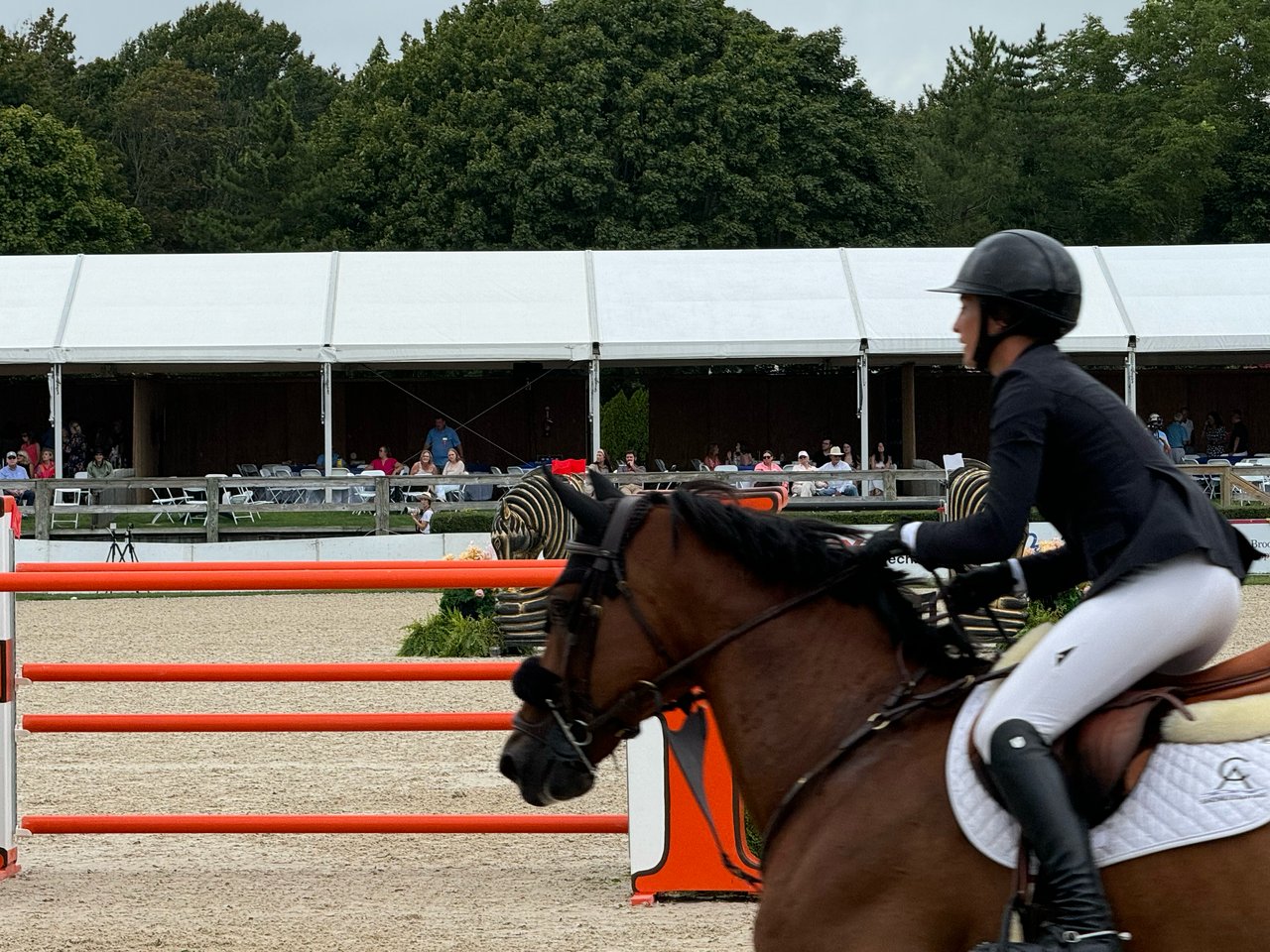
Bridgehampton has a long equestrian tradition with a vibrant calendar anchored by the Hampton Classic Horse Show. The area blends luxury homes with working farmland and established equine properties, which shapes both lifestyle and value. If you plan to ride, train, or show, you will find a community that understands what top-tier horse care requires.
You also benefit from access to training and show resources across the South Fork. Proximity to these services, plus the quality of your barns and arenas, strongly influences property value. In the Hamptons, specialized equestrian amenities carry a premium, and in Bridgehampton they sit at the top of the market.
Access From NYC and Beyond
Bridgehampton is reachable by the Montauk Branch of the Long Island Rail Road and by car, typically in 2 to 3 hours depending on traffic. Nearby airports, including MacArthur and JFK, make travel and horse transport more manageable for weekend and seasonal owners.
What Your Estate Should Include
Land and Pasture Basics
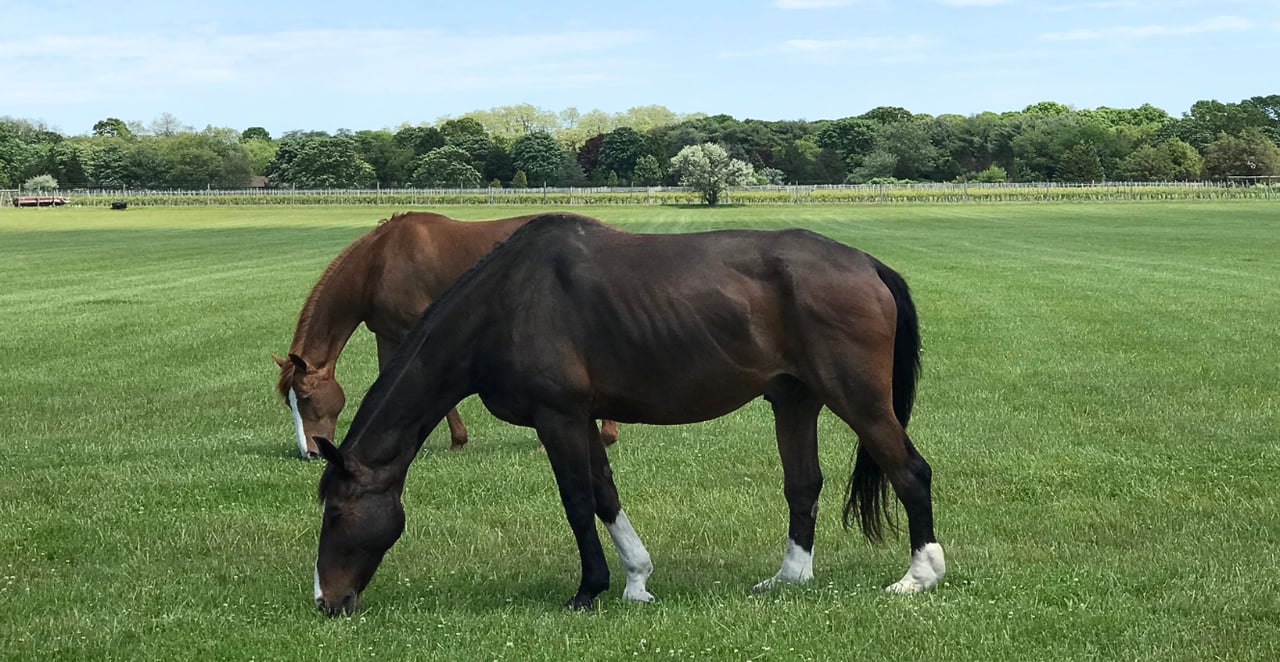
Plan your acreage around turnout and usability, not just total lot size. As a general guideline, plan for roughly 1 to 2 acres of usable pasture per horse for grazing and rotation. On Long Island, soils and drainage vary, and wetlands or protected buffers can reduce true usable acreage, so it is essential to confirm surveys and soil conditions. Safe, visible fencing and a layout that supports rotation and riding flow will help you maximize land you can actually use.
Barn Design Essentials
Well-designed barns keep horses healthy and your team efficient. Typical stall sizes range from 12-by-12 to 12-by-14 for most horses, with larger foaling or breeding stalls as needed. Look for a ventilated plan, a dry, rodent-resistant feed room, and proper drainage with sump systems. A thoughtful program often includes a tack room, wash stall with hot and cold water, a space for vets and farriers, and, on larger estates, staff or guest apartments adjacent to the barn.
Arenas and Footing
Most estates feature at least one outdoor arena with engineered footing and irrigation, plus a round pen or lunging area. An indoor arena is a prized asset for year-round training and show preparation. Quality footing, lighting, and ventilation determine how consistently you can ride, especially in humid summers.
Supporting Infrastructure
The best equestrian properties work like well-run small farms. That means secure hay storage, equipment barns for tractors and arena drags, and safe pathways for trailers. Many owners add hotwalkers, solariums, and blanket rooms. Security, lighting, and classic Hamptons landscaping tie function to finish, creating a property that looks and works the part.
Day-to-Day Operations and Costs
Care and Staffing
Annual horse care costs vary with discipline and level of service. Routine feed, farrier, vaccinations, deworming, and basic vet care can add up to several thousand dollars per horse per year. High-performance programs cost more, especially with training and show schedules. If you are a part-time resident, you may prefer a full-service model with a barn manager, grooms, and grounds staff, or you may choose to board at a nearby professional facility.
Maintenance and Seasonality
Plan for pasture management, fence repairs, arena dragging and watering, pest control, and utilities. Seasonal tasks in the Hamptons include winterizing systems and, at times, snow removal. Arena footing and septic systems require regular attention to stay reliable and safe.
Veterinary, Farrier, and Supply Network
Reliable ambulatory veterinarians and farriers are essential, especially in peak show season. Build relationships early and confirm response times for emergencies. Hay markets on the East End fluctuate, so you will want dry, rodent-proof storage and dependable suppliers to avoid gaps in winter.
Insurance and Liability
Standard homeowners policies typically do not cover equine risks. For equestrian estates, owners often secure farmowners coverage, equine liability policies, and umbrella liability. If you plan to board, host clinics, or offer paid lessons, confirm commercial liability and any event-specific coverage you may need.
Regulations and Environmental Factors
Zoning and Permits
Bridgehampton falls under the Town of Southampton. Zoning districts determine what you can build and whether boarding or paid lessons are allowed. Adding or renovating barns, arenas, manure storage, or staff housing will usually require permits. Confirm rules for accessory uses, signage, and any special permits if your plans include commercial boarding or a training operation.
Septic, Wetlands, and Groundwater
Local and state rules protect wetlands and groundwater. Buffers can limit where you build, and septic sizing must match your intended use, including staff housing or clinic days. Expect to review surveys, wetland delineations, and septic capacity early in due diligence.
Manure and Runoff Management
Manure storage and nutrient handling are key on the East End to protect aquifers. Best practices include covered storage, designated composting areas away from wetlands, and graded surfaces with vegetative buffers to manage stormwater and traffic-heavy zones like paddock gates and arena perimeters.
Lifestyle and Community
Events and Social Life
The Hampton Classic creates a unifying moment each year for riders, trainers, and owners. Throughout the season, smaller shows and clinics across the South Fork offer regular opportunities to learn, compete, and connect.
Privacy and Neighboring Uses
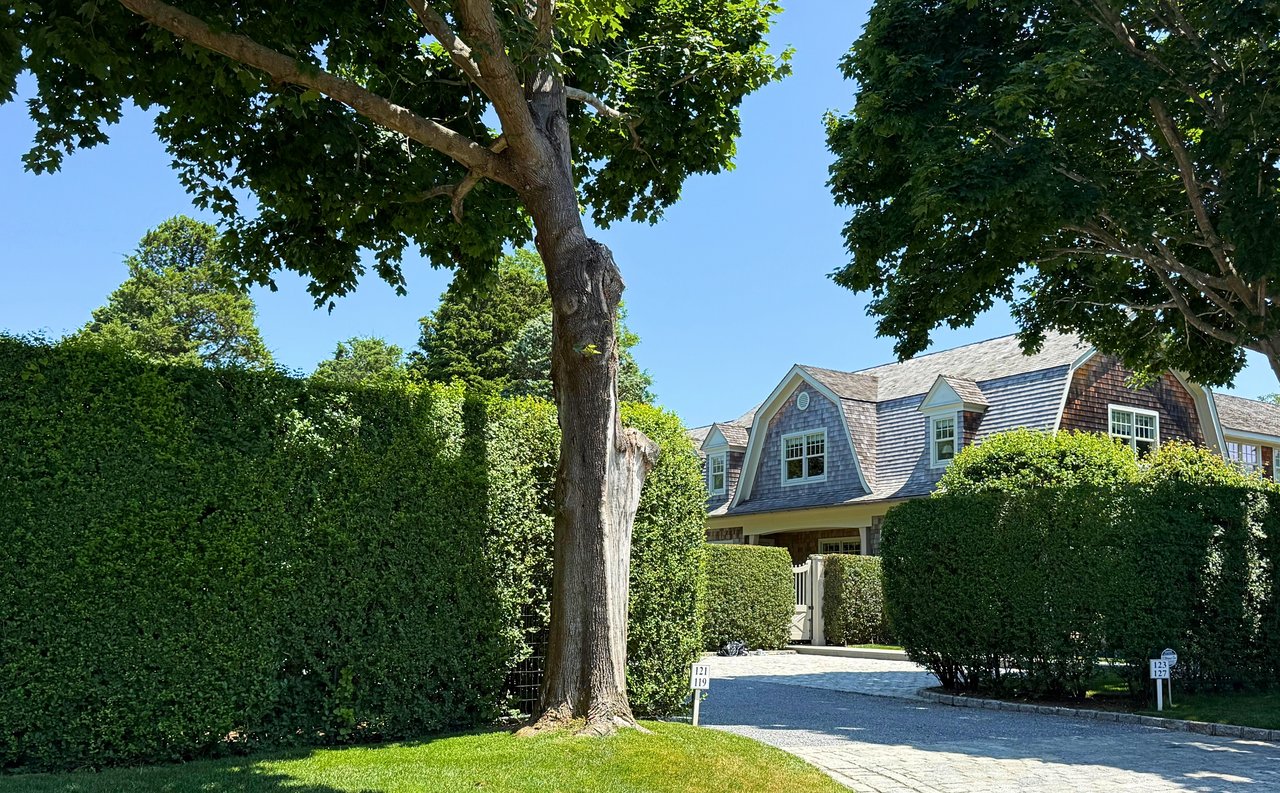
Many equestrian estates sit alongside working farms, preserved open space, and residential properties. Buyers often seek larger buffers and strategic planting to maintain privacy and reduce potential conflicts related to noise, dogs, or service vehicles.
Riding Access and the Coast
Some beaches and coastal areas allow horseback riding with seasonal rules or permits. Trail networks are more limited than rural regions, so private paths, neighbor agreements, and thoughtful on-property loops can expand your riding options.
Due Diligence Checklist
Before you offer, confirm the essentials so your plans hold up after closing.
- Title and easements: identify conservation or agricultural easements and any rights-of-way for equipment and trailers.
- Survey and usable acreage: get a current survey and wetland delineation, and verify true pasture and building envelopes.
- Zoning and uses: confirm allowable horse counts, boarding permissions, and accessory structures.
- Septic and water: match septic capacity to planned occupancy and check well or municipal water availability.
- Power and utilities: verify electric service for barns, arenas, ventilation, and backup generator needs.
- Condition and costs: assess barns, stalls, roofs, fencing, arena base and footing, and secure estimates for upgrades.
- Environmental compliance: review manure storage, runoff controls, and any required permits.
- Insurance: obtain quotes for farmowners, equine liability, and umbrella coverage.
- Local services: confirm vet response times, farrier availability, hay suppliers, and mechanical support.
Buying Strategy With a Local Advisor
An equestrian estate is both a home and a working asset. You want a property that matches your riding goals, the right-to-build for future improvements, and a reliable care network. In a market where specialized features command a premium, a curated search process can uncover on- and off-market options that fit your program. A seasoned, Hamptons-based advisor can help you weigh land quality, facility design, and regulatory fit so you invest with confidence.
If you are mapping out your wish list or ready to tour properties, connect with a local expert who understands both lifestyle and logistics. For tailored guidance and discreet access to opportunities, reach out to Jennifer Friedberg.
FAQs
How Many Acres per Horse in Bridgehampton?
- Plan for roughly 1 to 2 acres of usable pasture per horse, adjusted for soil quality, drainage, and supplemental feeding.
Can You Run a Commercial Stable on a Bridgehampton Property?
- It depends on Southampton zoning and permits. Confirm boarding, lessons, signage, and any special approvals before you buy.
What Features Define a Top Hamptons Equestrian Estate?
- Quality barns and stalls, an outdoor arena with engineered footing, often an indoor arena, safe fencing, hay and equipment storage, and a layout that supports efficient care.
How Accessible Is Bridgehampton for Weekend Owners?
- The Montauk Branch of the LIRR serves Bridgehampton, and driving from NYC typically takes 2 to 3 hours depending on traffic and season.
What Hidden Ownership Costs Should Buyers Expect?
- Staffing, arena maintenance, fencing repairs, hay price swings, emergency vet care, septic upgrades, and higher insurance premiums can add up beyond basic care.