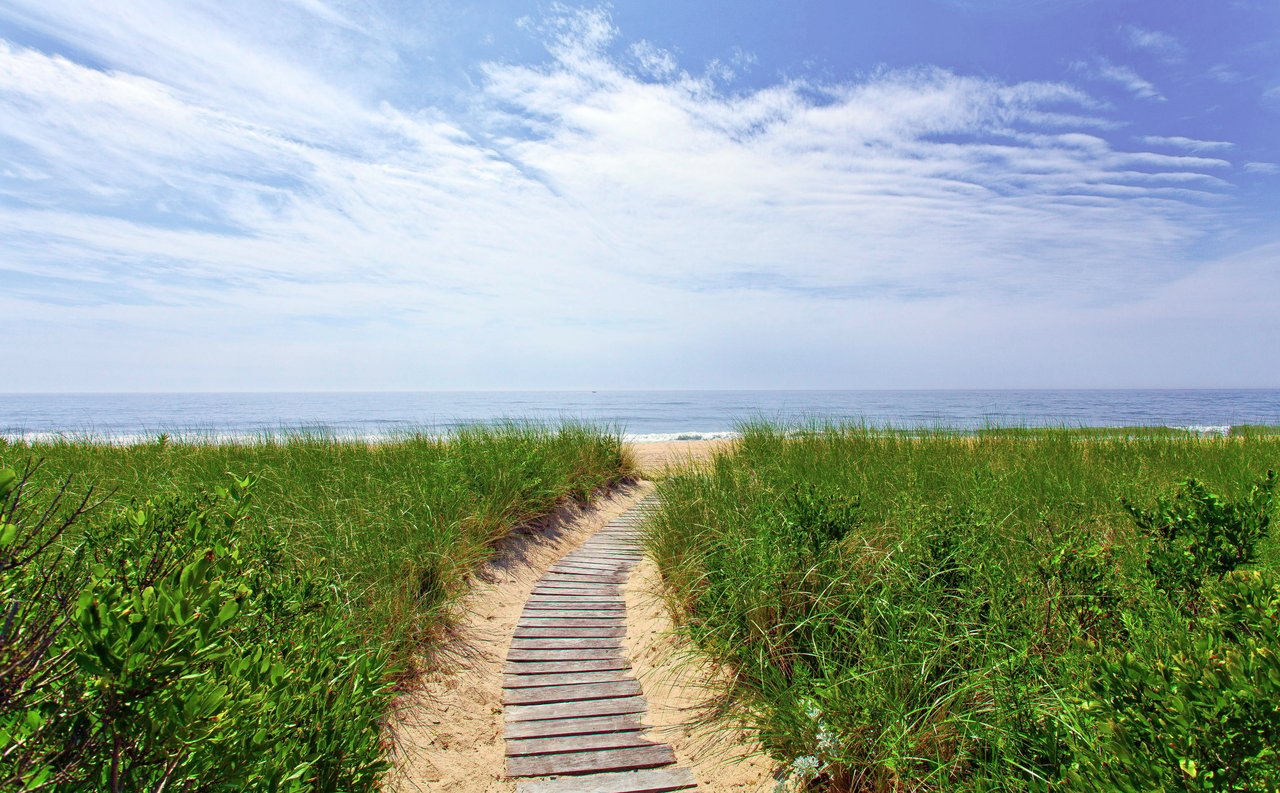
You round a quiet bend and the ocean air hits first. On your left, a clipped hedge rises higher than your shoulder. Ahead, a sandy lane funnels toward the dunes. If you have ever wondered why Lily Pond Lane and Further Lane feel like the Hamptons distilled, you are not alone. You care about design, privacy, and provenance, and you want to understand what you are actually seeing. In this walk-through, you will learn how architecture, history, and local rules shape these streets today, plus what that means for value and for your search. Let’s dive in.
Where These Lanes Sit
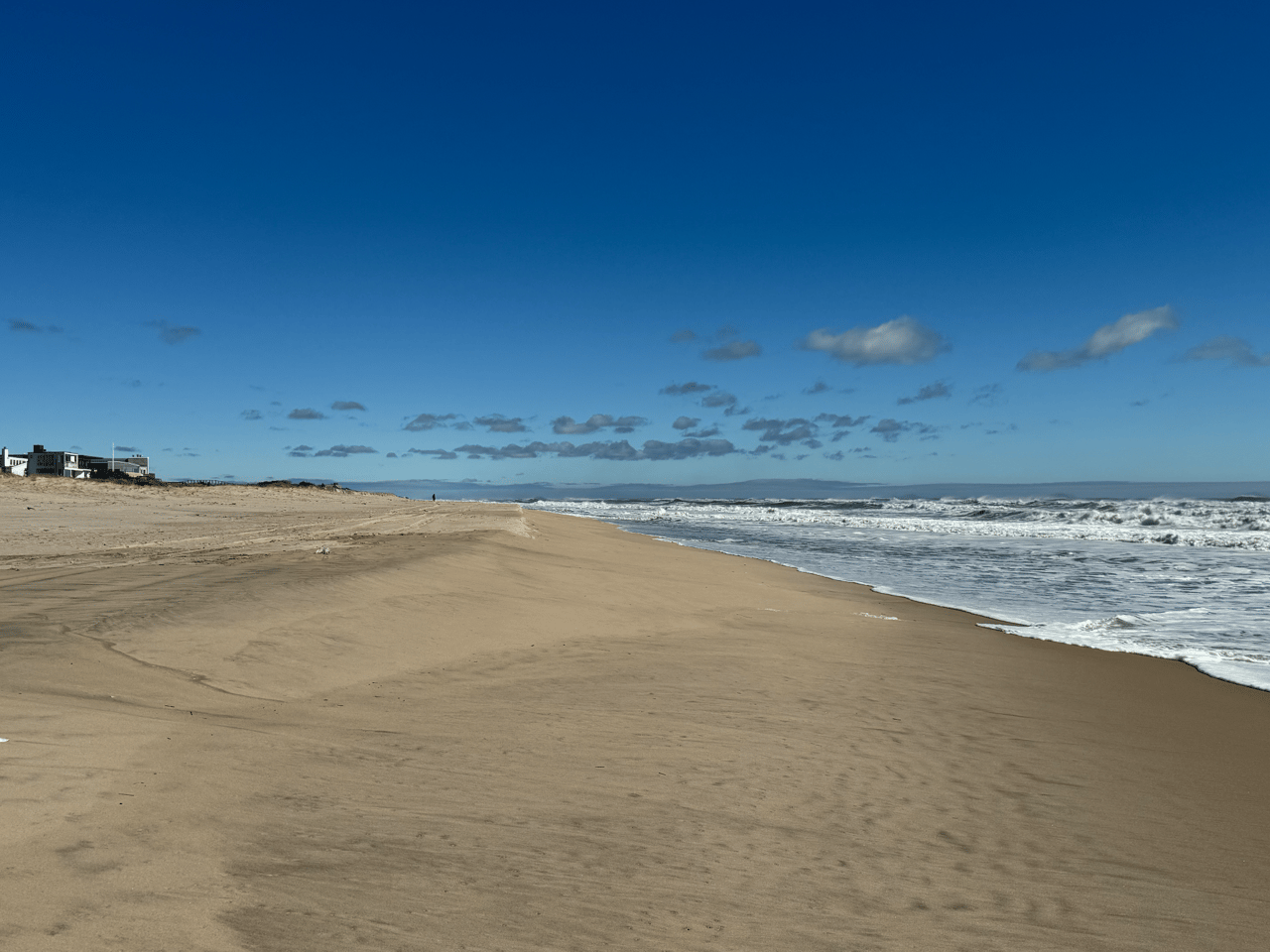
Lily Pond Lane and Further Lane trace the ocean and ponds in East Hampton’s village and estate section. Both sit within easy reach of East Hampton Village and the Georgica Pond and beach area. Local reporting ties Lily Pond Lane to the Georgica Beach road end and parking, which helps explain why the lane reads as “beach at your doorstep” even from behind hedges. See the village context in the East Hampton Star’s coverage of Georgica Beach access improvements.
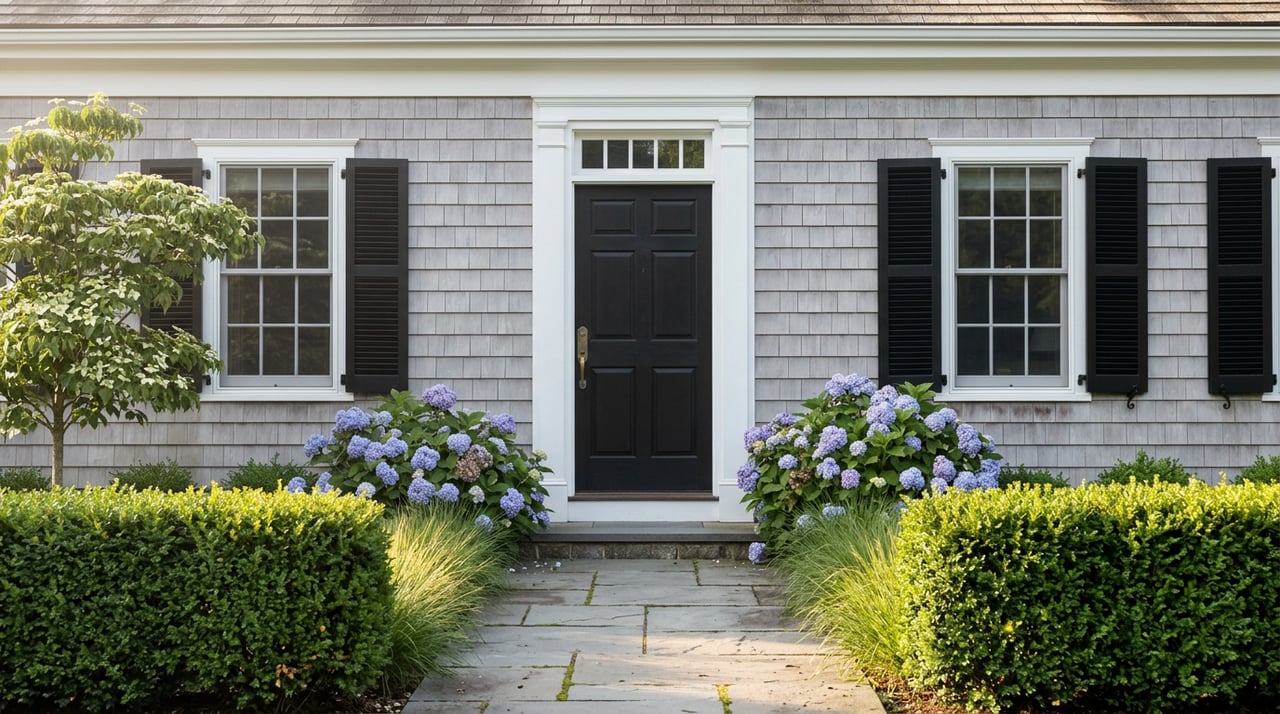
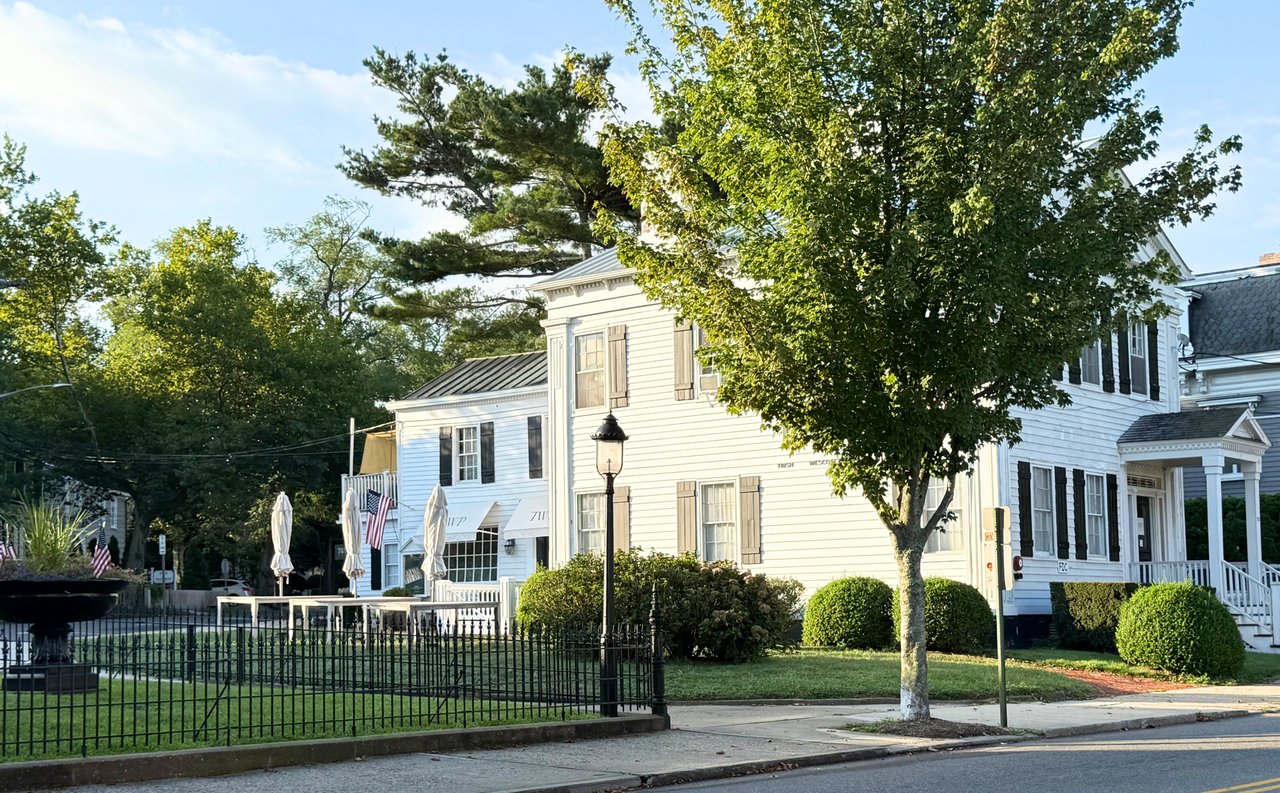
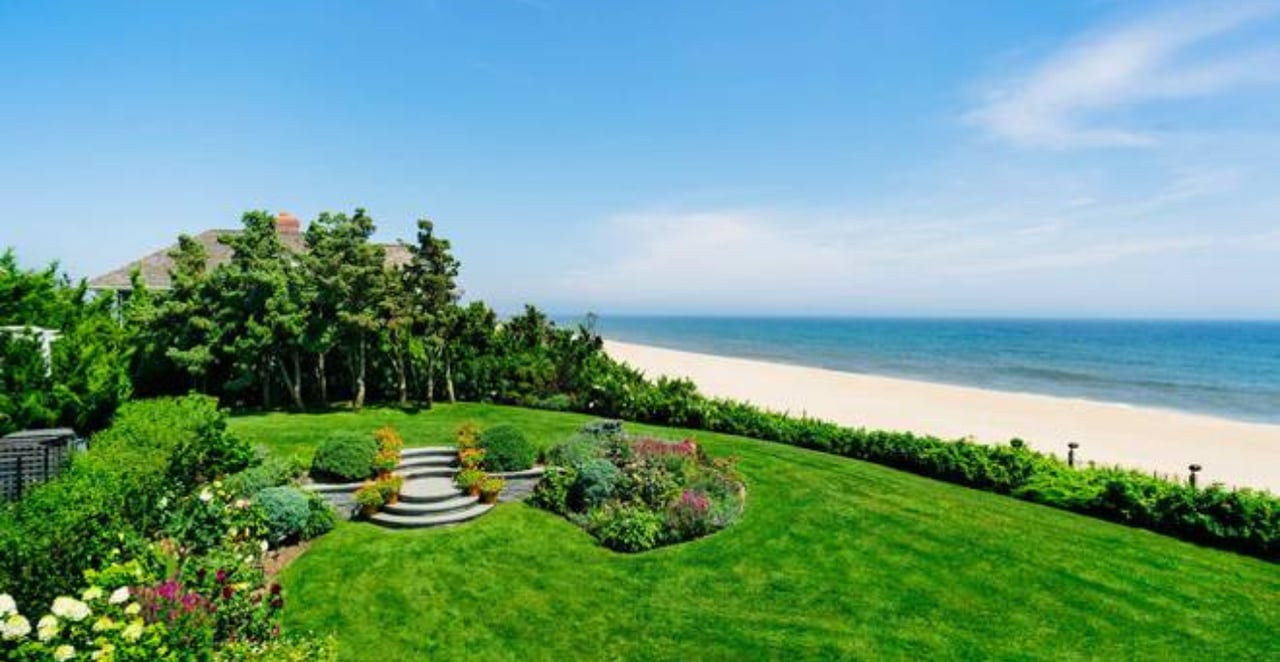
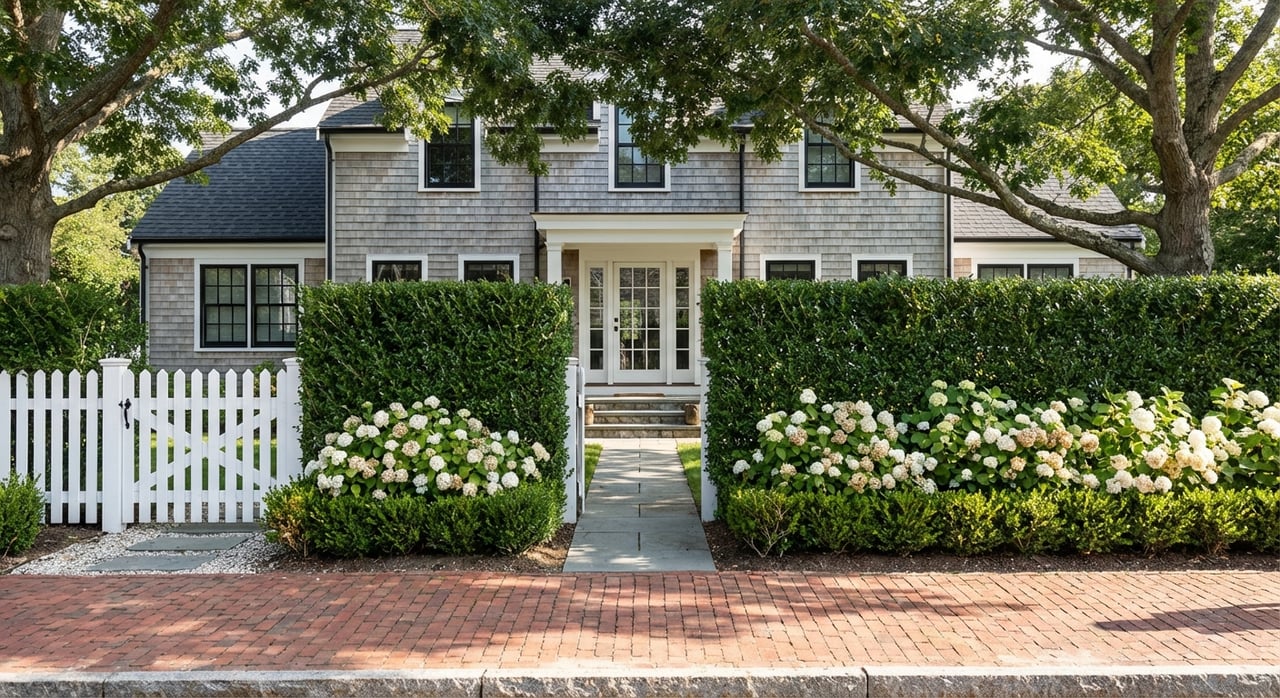
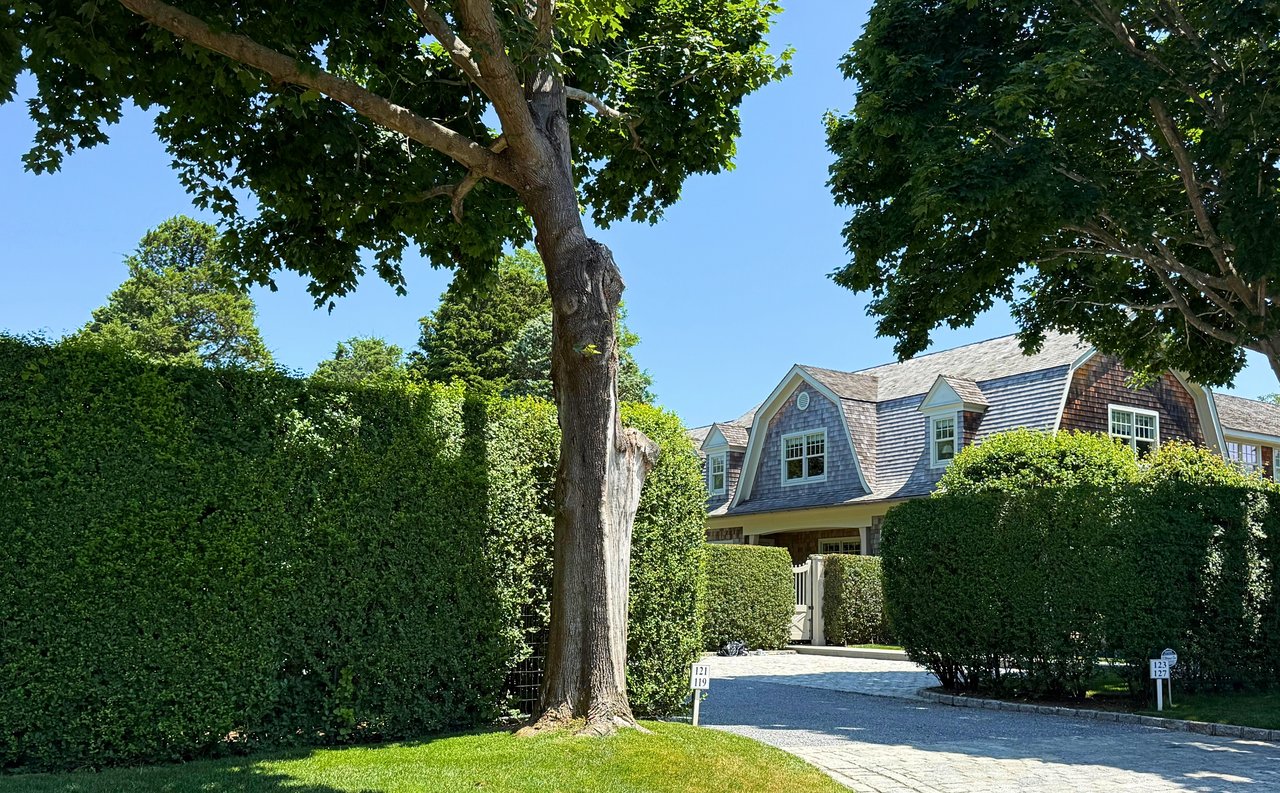
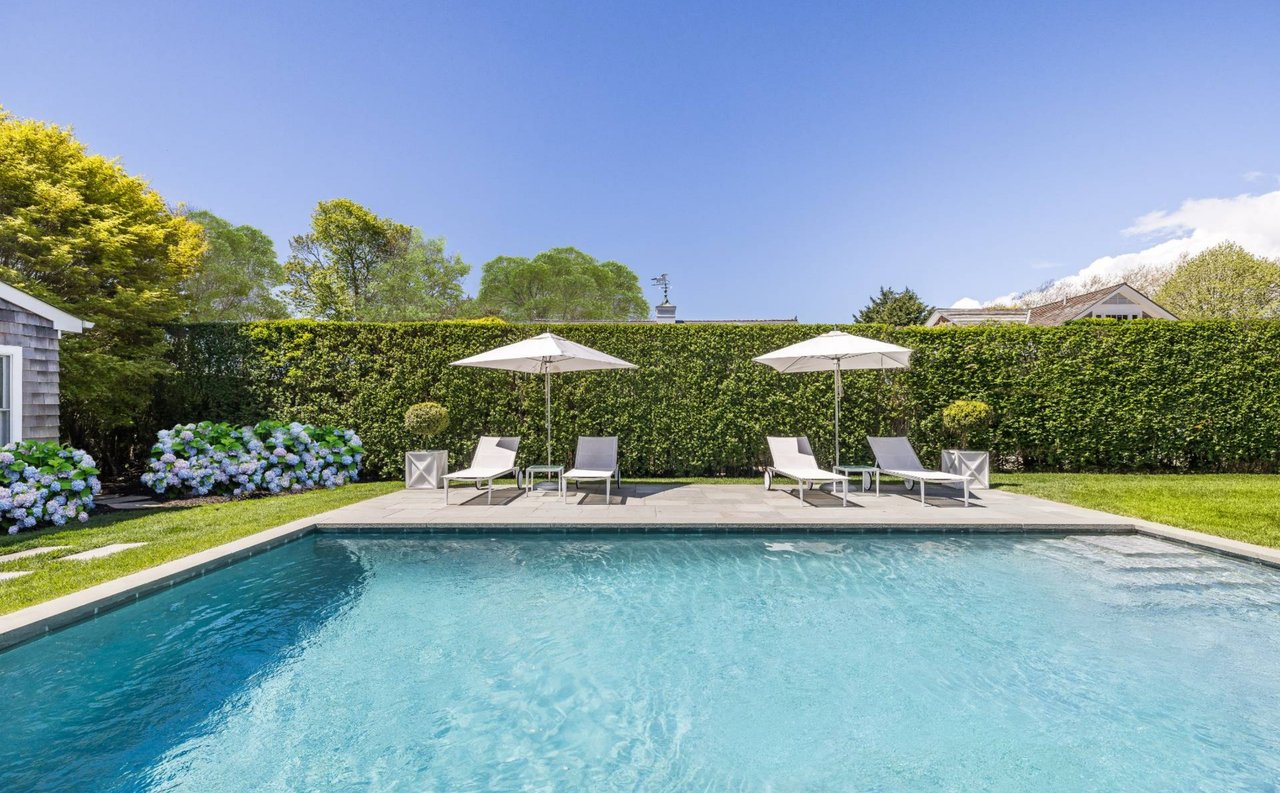
Expect a streetscape of tall hedges, deep driveways, and glimpses of dune grasses where roads meet the ocean. You will see restored historic shingle cottages next to contemporary compounds. What unites them is a quiet presentation to the street and a focus on landscape privacy rather than showy façades.
Lily Pond Lane at a Glance
Lily Pond Lane runs from Ocean Avenue toward Georgica and Georgica Beach. Parcels range from pond-front to true oceanfront, and you feel the water in the salt air and the soft light. The lane’s romance comes from its scale and history. You notice modestly scaled, older shingle houses alongside newer, carefully sited homes, with beach paths tucked between.
Sales history underscores the lane’s cachet. In 2016, a Lily Pond oceanfront property at 199 Lily Pond Lane reportedly sold for about $70 million, as noted in The Real Deal’s review of that year’s top closings (2016 Hamptons sales highlights). In 2021, Martha Stewart’s former Lily Pond house sold for $16.5 million in a publicly recorded transaction that was widely reported. For many buyers, Lily Pond Lane reads as history plus immediate beach access plus village proximity.
Further Lane at a Glance
Further Lane is longer, with larger estates and some of the Hamptons’ most valuable oceanfront parcels. Here you find deep setbacks, multi-acre grounds, and architecture designed for seclusion. The lane has become shorthand for top-tier Hamptons oceanfront, and recent records back that up. Trade press reported that in 2025 a single Further Lane parcel closed off market for about $115 million, a new single-lot high, and that by early 2026 the overall Hamptons median price had surpassed $2 million, with high-end sales driving value. See The Real Deal’s market wrap for context on both the record and the median trend (Q4 2025 Hamptons market overview).
Further Lane has also seen extraordinary assemblages. An 18-acre oceanfront combination in the mid-2010s, centered on Further Lane, was widely cited at approximately $147 million, showing how acreage and ocean frontage can set headline pricing (record assemblage reporting).
Design Language You Notice
Shingle Style Essentials
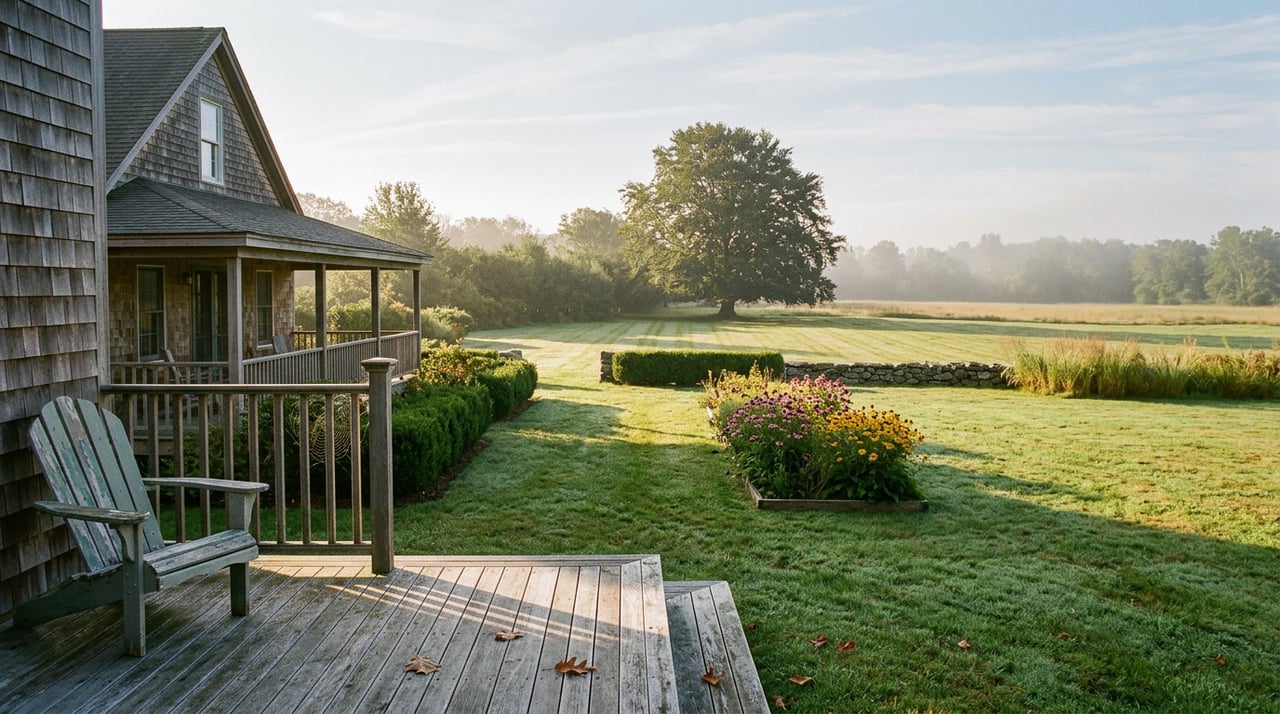
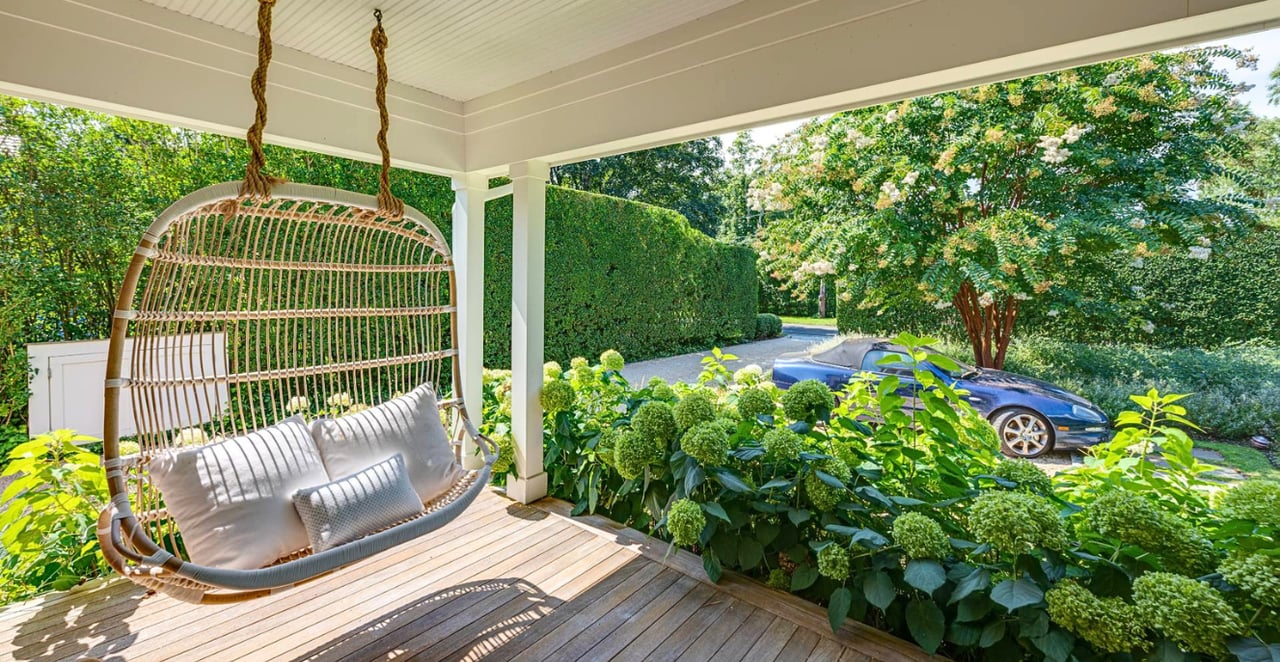
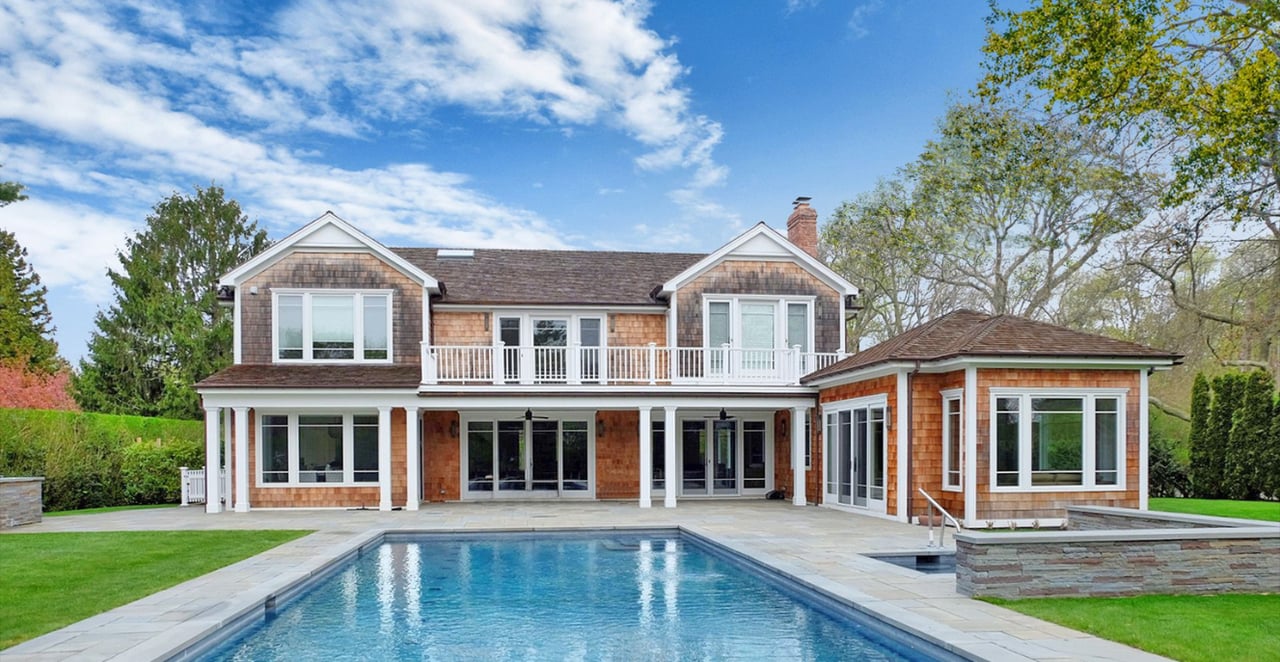
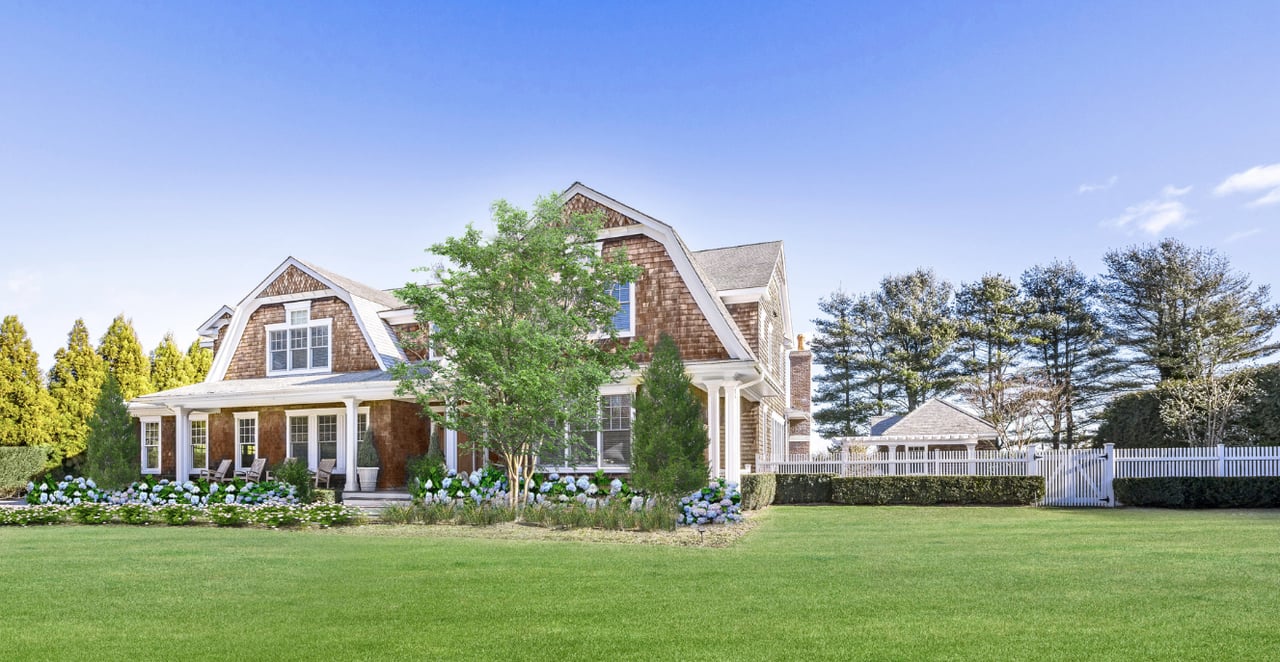
The classic Hamptons look begins with Shingle Style. You see continuous cedar shingles, asymmetrical rooflines, wide eaves, and generous porches that blur indoors and out. The palette weathers gracefully and sits lightly in the landscape, which is why even large homes can feel relaxed and organic. For a clear primer, Britannica outlines the hallmarks of the style, from flowing shingle cladding to informal massing (Shingle Style overview).
On the lanes, this often means bluestone terraces, French or stacking doors to lawns, and a cluster of smaller outbuildings that suggest a property accrued over time. The effect is authenticity rather than flash, even in high-budget builds.
Classic Paired With Contemporary
Modern insertions appear as glass-and-timber pavilions tucked into dunes, or as clean new wings paired with restored shingle houses. You will also see projects where a historic main house anchors the street view, while a crisp modern structure sits deeper on the lot for light, privacy, and contemporary living. The contrast can be striking and, when well executed, feels true to place.
Landscape First
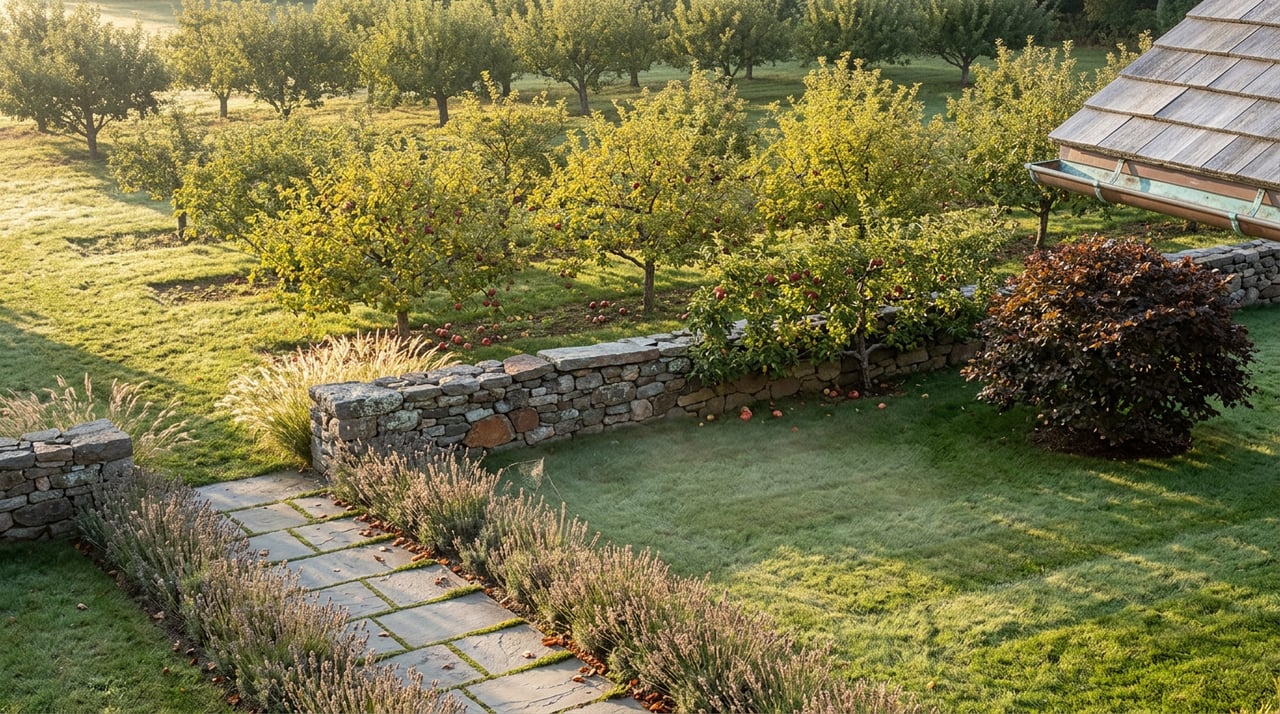
Hedges, allees, and native coastal plantings are practical and aesthetic. They provide privacy, soften architecture, and meet environmental goals. On oceanfront parcels, plantings also help manage wind, salt, and sand movement. Gates are understated. The message is quiet confidence.
History That Set the Tone
East Hampton’s lanes grew with the late 19th and early 20th century summer colony. Wealthy New Yorkers built shingle-clad cottages and estate complexes that still define the village’s identity. One cultural touchstone is Grey Gardens, designed by Joseph Greenleaf Thorp and completed in 1897. It is often cited in histories of the village and known for its restoration and enduring architectural interest (Grey Gardens background).
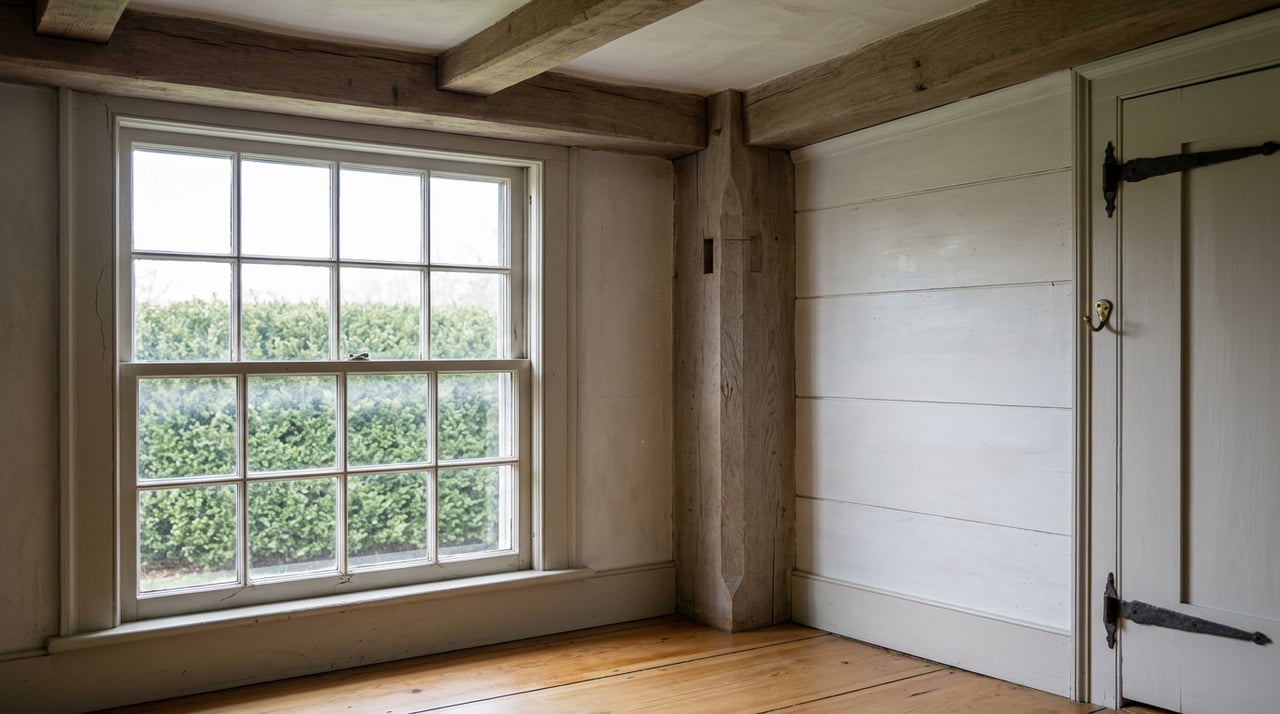
That long continuity between Gilded Age houses and today’s estates is not accidental. The village’s preservation framework aims to maintain historic character, which is why you still see original façades, porches, and landscape relationships even after interior updates.
How Rules Shape What You Can Build
Size Limits and Scarcity
The Town of East Hampton updated its zoning to prohibit new single-family residences larger than 10,000 square feet, with core provisions taking effect March 1, 2025, according to the town code chapter on uses and dimensions (Chapter 255 reference). Local reporting details how the Town Board moved to cut the maximum in half in late 2024 and set timelines for implementation (house-size cap coverage).
What this means for you: truly oversized new houses are harder to build going forward. Pre-existing, larger homes that exceed today’s limits can carry a premium because they cannot be replicated under current rules. In short, legal scarcity supports value.
Accessory Structures, Pool Houses, and Basements
The updated dimensional rules also limit accessory building footprints and pool-house sizes. While exact square footage thresholds vary by zone and are defined in the code, the practical takeaway is simple. If you envision a guest cottage, studio, or larger cabana, you will plan within tighter envelopes and coordinate closely with design and permitting teams. Checking definitions and recent amendments in the town code is essential early in due diligence.
Historic District Review
If a property sits within one of the Village’s historic districts, exterior changes typically require design review and a Certificate of Appropriateness. This process helps preserve the streetscape character you admire. To confirm a property’s status and understand review obligations, consult the Village’s Historic Services resources (Village Historic Services).
Dunes, Wetlands, and Site Disturbance
Oceanfront lots must satisfy dune and wetlands protections, setbacks, and revegetation plans. Variances and permits are case specific, and local boards can be strict. Local papers often summarize conditions attached to approvals, such as topography protections or planting plans, which shows how seriously the community treats its shoreline environment (coastal variance reporting archive).
Why Prices Climb Here
- Scarcity meets regulation. There are very few large, buildable oceanfront parcels. With size limits now tighter, big nonconforming homes and extraordinary footprints are rarer, which supports higher pricing for existing estates.
- Cash-driven, high-end demand. Ultra-high-net-worth buyers often transact in cash at the top end. By early 2026, trade press reported the Hamptons median had topped $2 million, with high-end activity contributing a large share of total value (market snapshot and records).
- Cultural signaling. Addresses like Further Lane and Lily Pond Lane carry social and historical recognition. Proximity to a short list of notable properties and the rarity of true ocean frontage add an intangible premium.
For Design-Minded Buyers: A Quick Lane Checklist
- Walk it first. Visit at different times of day to read light, wind, and privacy from the street. Focus on hedge lines, dune breaks, and how homes open to lawns.
- Map the setting. Confirm whether the parcel is pond-front, oceanfront, or near a beach access. The Georgica Beach area context explains why some Lily Pond addresses feel especially connected to the shore.
- Read the architecture. Identify Shingle Style markers you love, like continuous cedar cladding and deep porches, and decide how much modern contrast you want. A restored shingle house plus a discreet modern pavilion is a common, successful pairing.
- Check the rules early. Review town zoning for gross floor area definitions and the 10,000-square-foot cap to understand what is feasible for additions or new work (Town code chapter).
- Verify historic status. If the property is within a village historic district, plan for design review and a Certificate of Appropriateness (Village Historic Services).
- Expect coastal conditions. Budget for dune-friendly landscape, wind and salt management, and possible variance conditions for oceanfront work. Local reporting illustrates how detailed these approvals can be (variance coverage archive).
- Ground truth pricing. Anchor expectations with well-documented lane comps, like the 2016 Lily Pond oceanfront sale near $70 million and Further Lane’s single-parcel record around $115 million, while remembering that many transfers close quietly and require deed confirmation (2016 sales roundup; Q4 2025 market wrap).
If You Love Both Lanes, How to Decide
Choose Lily Pond Lane if you want a slightly more intimate scale, quick proximity to village life, and the romantic mix of turn-of-the-century cottages with the beach just ahead. Choose Further Lane if you want acreage, seclusion, and the possibility of a deep, oceanfront compound with a long approach. Both deliver the Hamptons you came for. The right fit comes down to how you balance setting, privacy, and the design vocabulary that moves you.
Ready to explore specific opportunities or plan a discreet search across both lanes and their neighbors? Connect with Jennifer Friedberg for a private, strategy-led consultation tailored to how you live and invest in the Hamptons.
FAQs
What Defines Lily Pond Lane’s Character in East Hampton?
- A quiet, hedged streetscape that blends historic shingle cottages with newer, discreet homes, immediate access to Georgica Beach, and village proximity.
Why Does Further Lane Command Record Prices?
- Scarcity of large oceanfront parcels, deep setbacks and privacy, and a track record of headline sales, including a 2025 single-parcel record reported around $115 million.
How Do East Hampton’s New Size Limits Affect Renovations or Rebuilds?
- As of March 1, 2025, new single-family homes over 10,000 square feet are prohibited, which limits expansion potential and increases the value of larger existing homes.
What Is Shingle Style, and Why Is It Common Here?
- It is a coastal architectural idiom with continuous cedar shingles, asymmetrical roofs, and wide porches that harmonize with the landscape, a hallmark of the Hamptons look.
Are Lily Pond and Further Lane Homes in Historic Districts?
- Some are. If a property lies in a village historic district, exterior work typically needs a Certificate of Appropriateness and design review by Village Historic Services.
How Close Are These Lanes to Beaches and the Village?
- Both are within a short drive or walk of East Hampton Village amenities, and Lily Pond Lane in particular has a direct connection to the Georgica Beach area road end.