Selling a legacy estate in Bridgehampton is rarely a simple checklist exercise. You are not just preparing a house for market. You are presenting a property with history, character, and emotional weight in a luxury market where buyers notice details quickly. The good news is that with the right preparation, you can protect what makes the home special while positioning it to appeal to today’s high-end buyer. Let’s dive in.
Why Preparation Matters in Bridgehampton
Bridgehampton sits within a hamlet context shaped by preservation-minded planning and a strong historic identity. According to Southampton Town materials on the Bridgehampton historic district review process, properties in a designated historic district may need a Certificate of Appropriateness for visible exterior changes, while ordinary maintenance does not.
That matters when you are deciding what to refresh before listing. A simple paint plan, landscaping cleanup, or exterior repair may be straightforward, but visible design changes may need a closer look before work begins. For a legacy property, timing and planning are part of the sale strategy.
The local market also supports a disciplined approach. In the Douglas Elliman and Miller Samuel Hamptons Q4 2025 report, Bridgehampton posted a $6.99 million median sales price, 16 closed sales, 57 listings, and 10.7 months of supply. That points to a selective market where presentation, pricing, and buyer targeting matter.
Focus on Updates That Remove Friction
When sellers prepare a legacy estate, the goal is not always to modernize every room. In many cases, the smartest move is to reduce buyer hesitation by addressing condition, maintenance, and first impressions without stripping away original character.
The NAR 2025 Remodeling Impact Report shows that 46% of buyers are less willing to compromise on condition. It also notes that REALTORS® most often recommend painting, roofing work, kitchen improvements, and bathroom work before listing.
For many Bridgehampton estates, the highest-impact prep often includes:
- Fresh interior paint where needed
- Repairs to deferred maintenance
- Roof review or repair if visible wear exists
- Bathroom and kitchen touch-ups
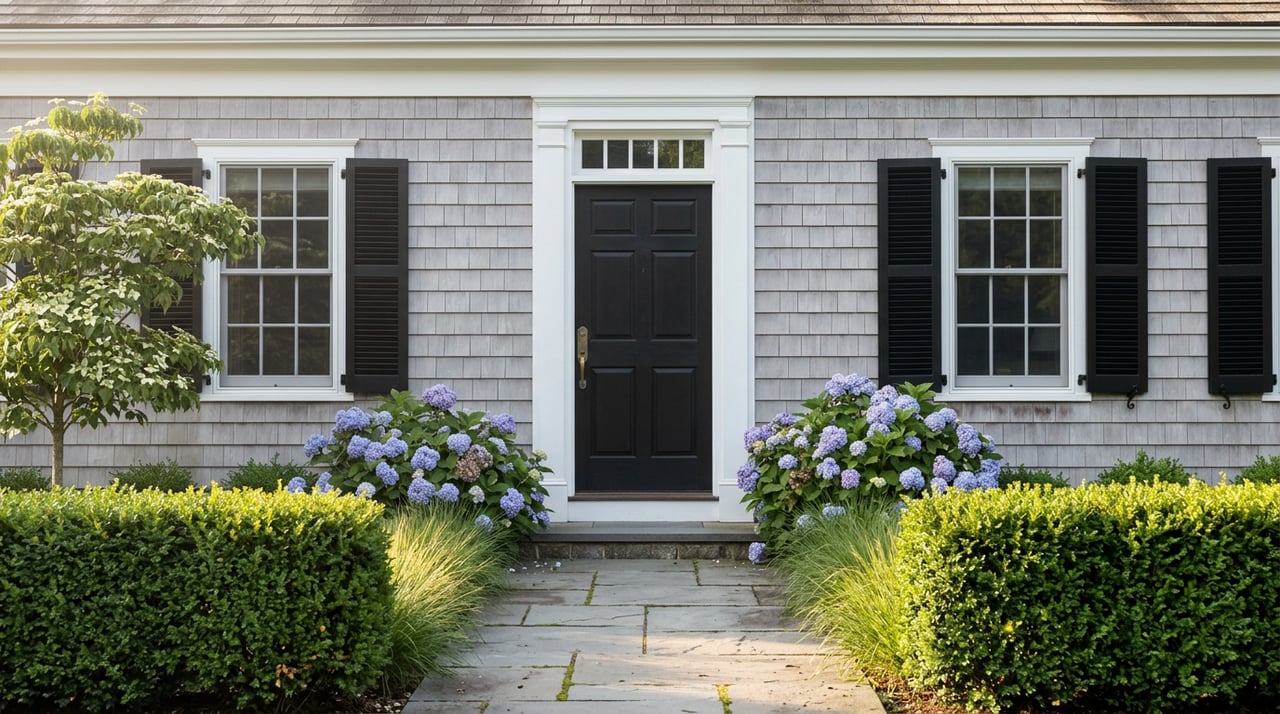
- Updated entry presentation
- Exterior cleanup and landscape tuning
The same NAR report found that a new steel front door had one of the strongest estimated cost recoveries. That does not mean every estate should replace its front door. It does show how much buyers respond to a clean, confident entry sequence.
Preserve Character While Improving Condition
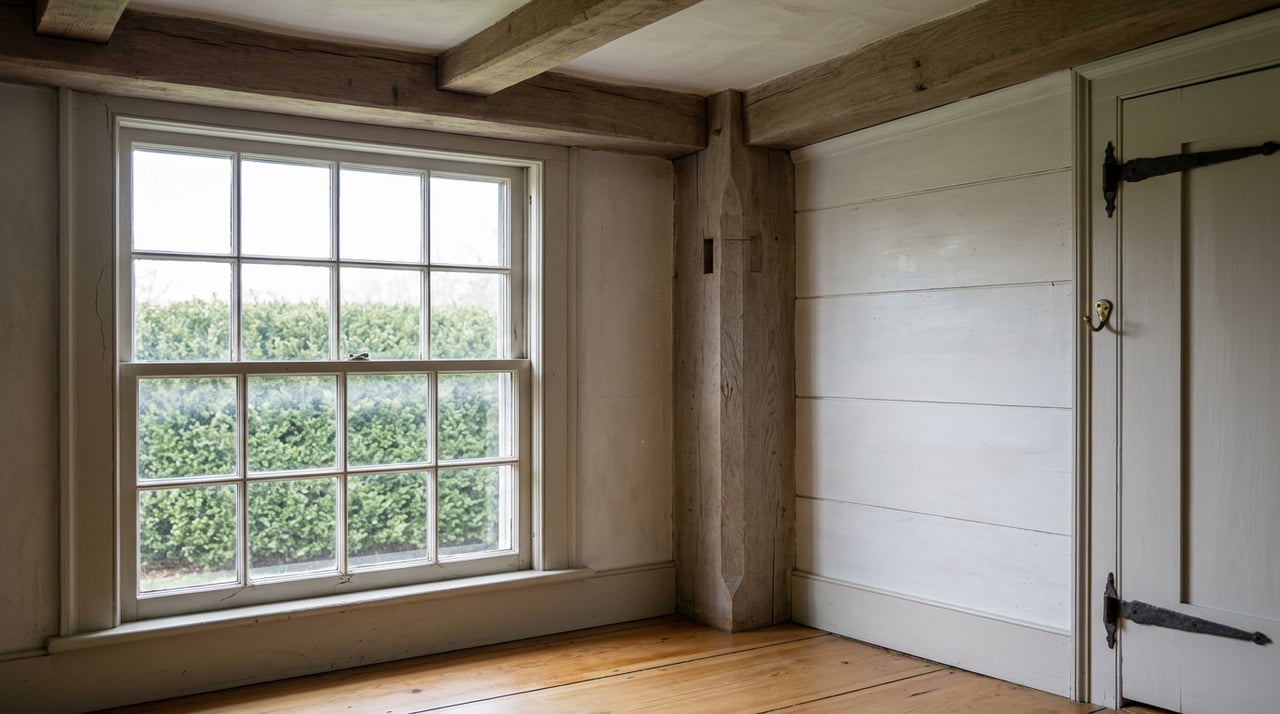
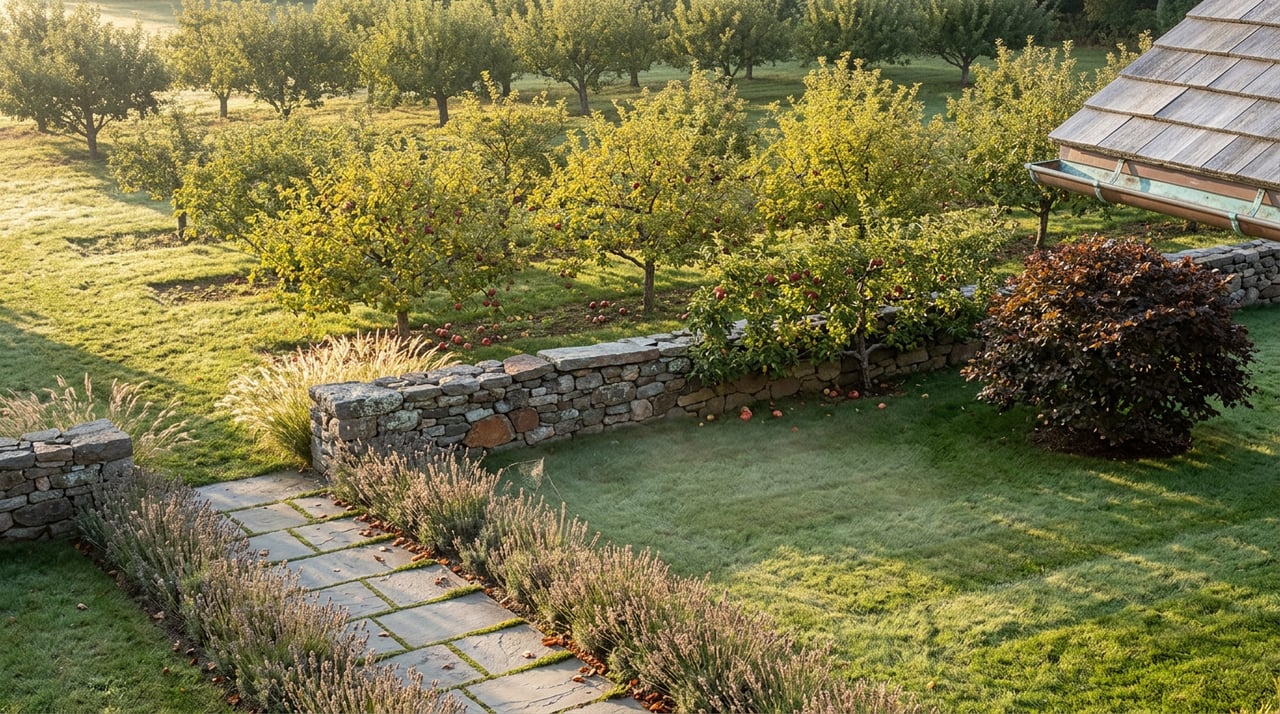
A legacy home often gains value from what makes it different. Original millwork, room proportions, fireplaces, old garden walls, or distinctive outbuildings may be part of the property’s appeal. If you remove too much personality, the home can lose the sense of place that makes it memorable.
That is why preparation should be selective. Clean, repair, and simplify first. When buyers can see craftsmanship and flow without distraction, they are more likely to appreciate the estate on its own terms.
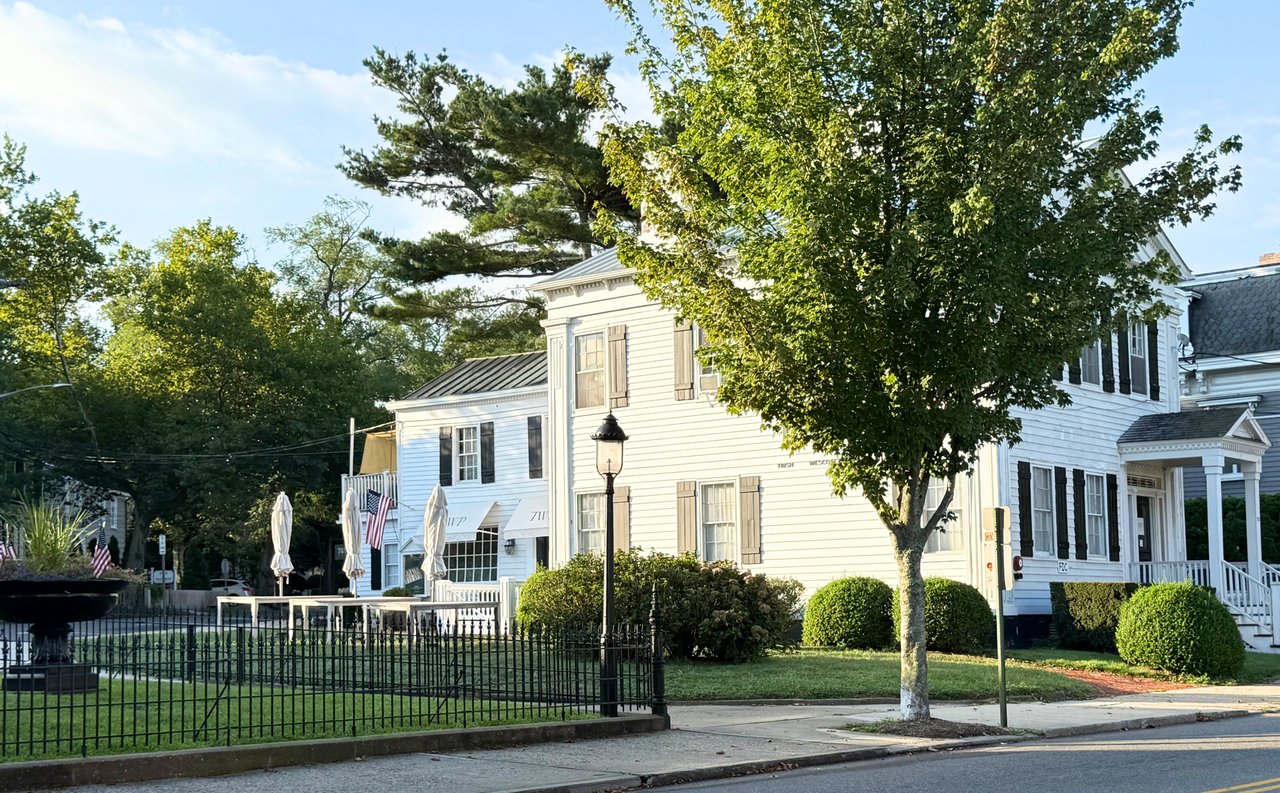
Bridgehampton’s heritage framework gives this strategy real context. Southampton Town’s materials describe a hamlet center with preserved landmarks, historic gateways, and a built environment shaped across eras. That makes the property’s architecture, grounds, and relationship to place part of a legitimate and powerful sales narrative.
Prioritize Curb Appeal Early
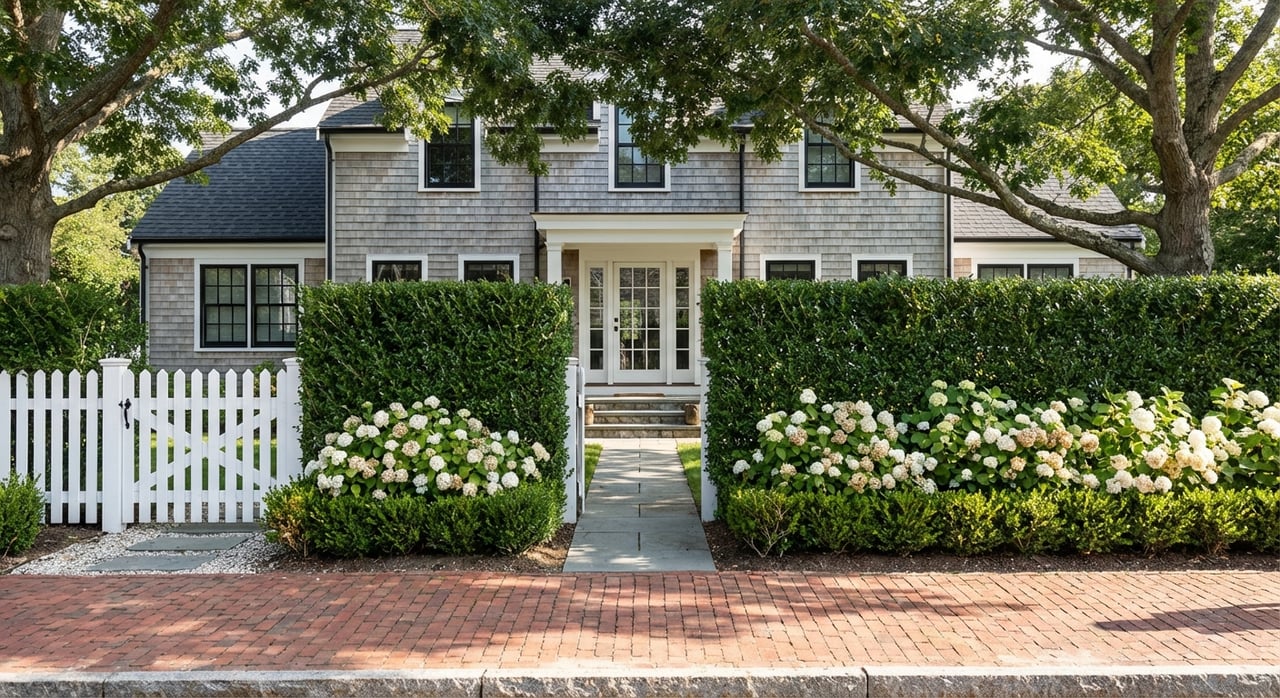
Luxury buyers begin evaluating a property before they ever walk through the front door. In a place like Bridgehampton, where many homes are viewed online first and then visited by appointment, the exterior sets the tone for everything that follows.
NAR’s outdoor-features findings report that 92% of REALTORS® recommend improving curb appeal before listing, and 97% say curb appeal is important in attracting a buyer. For a legacy estate, that usually means sharpening the presentation rather than redesigning the landscape from scratch.
Start with the basics:
- Prune overgrowth that blocks architecture
- Refresh gravel, edging, or key pathways
- Repair gates, fencing, or visible hardware
- Power wash or gently clean exterior surfaces as appropriate
- Make the front approach feel orderly and intentional
In a heritage-oriented setting, restraint usually reads better than overcorrection. You want the grounds to feel cared for, not overworked.
Stage Enough, but Not Too Much
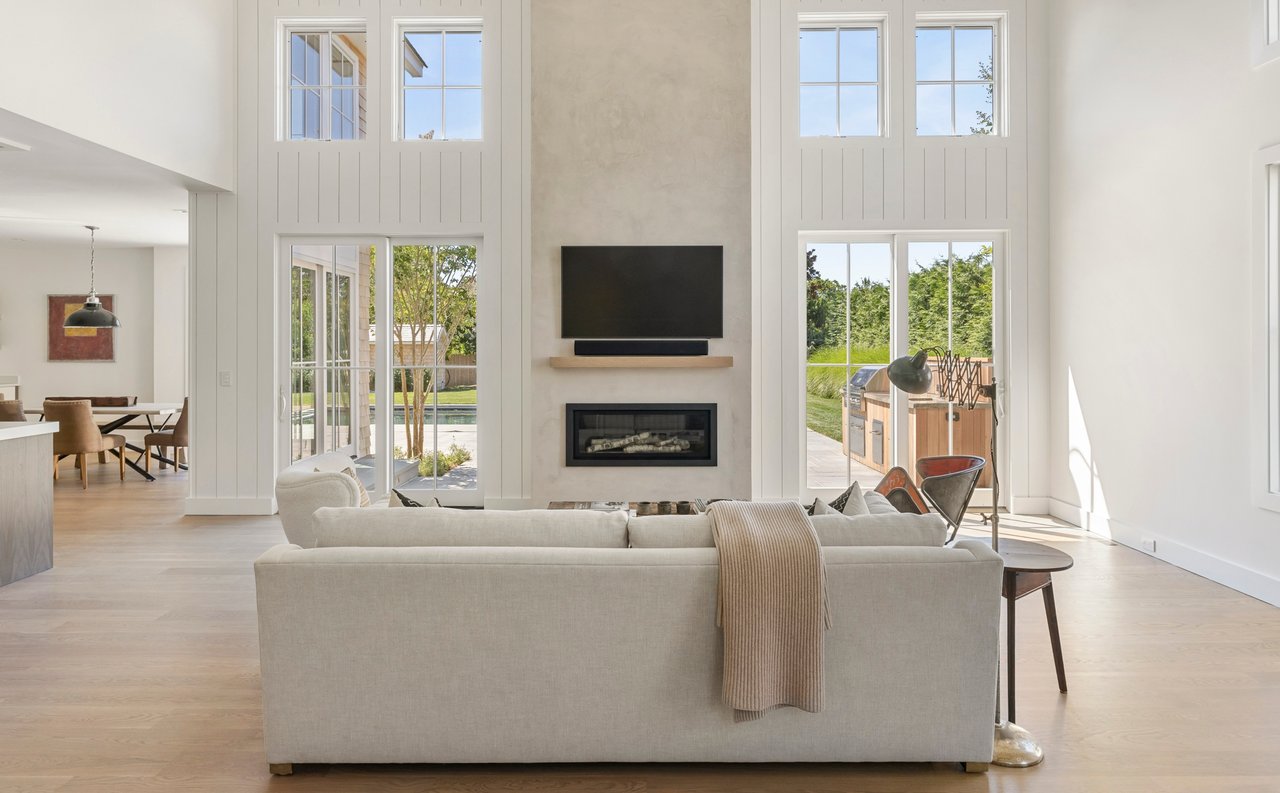
One of the most common questions sellers ask is how much staging a legacy property really needs. The answer is usually less about adding more furniture and more about helping buyers understand scale, flow, and use.
According to NAR’s 2025 Profile of Home Staging, 83% of buyers’ agents say staging helps buyers visualize a property as their future home. The same report identifies photos, physical staging, videos, and virtual tours as highly important listing tools.
For a Bridgehampton estate, effective staging often means:
- Editing out excess furniture and personal items
- Defining large or unusual rooms clearly
- Highlighting entertaining flow
- Letting architectural details stay visible
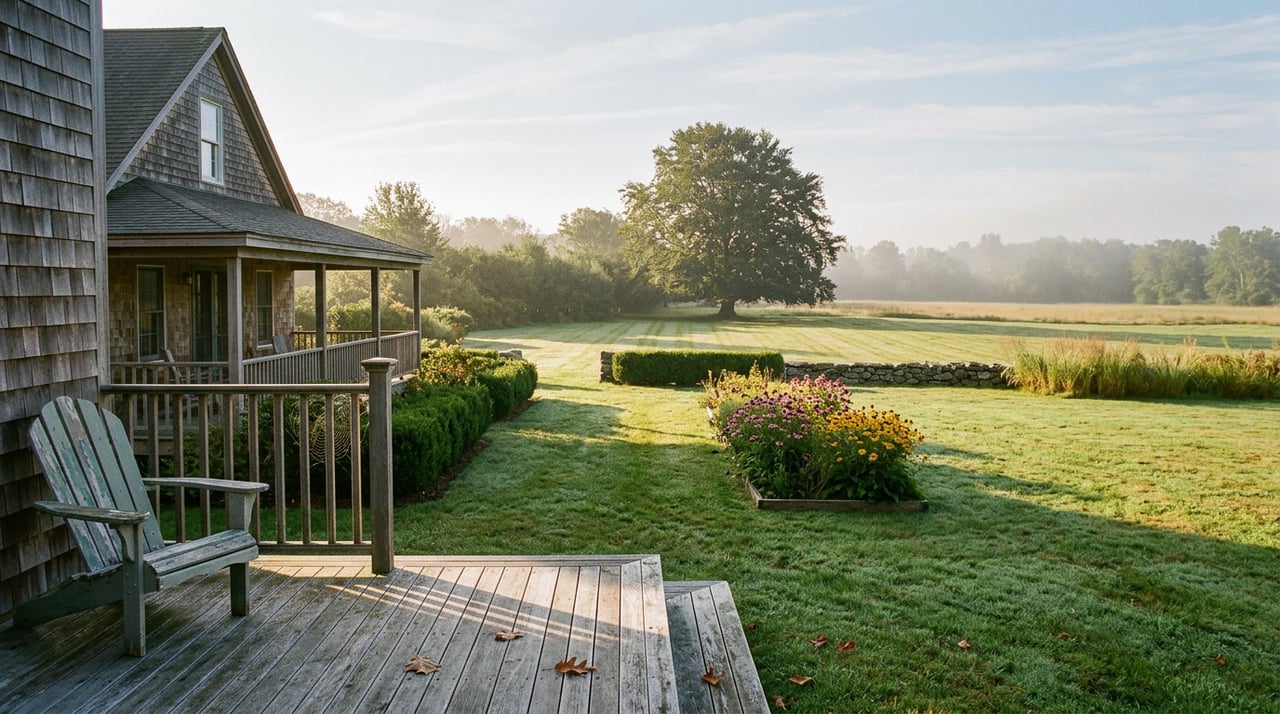
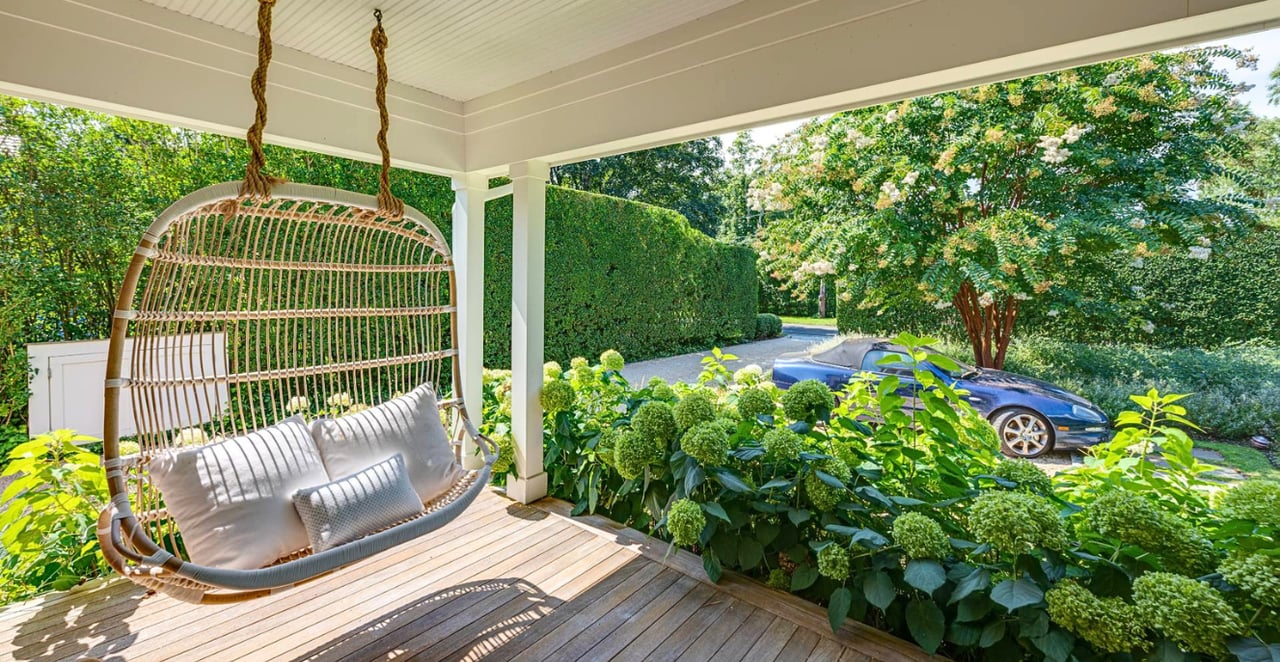
- Styling outdoor areas that support the lifestyle story
Luxury buyers expect a home to communicate how life unfolds there. NAR’s guidance on staging for luxury listings notes that high-net-worth buyers expect a styled property that helps them envision the life they are buying.
Build a Story Around Provenance and Place
A legacy estate should not be marketed like a generic luxury home. Buyers in this segment often respond to meaning as much as amenities. That does not mean overwhelming them with a long history lesson. It means shaping a clear, elegant narrative around the property’s most credible strengths.
The story might center on architecture, gardens, entertaining spaces, a village-adjacent setting, or the way the home has been stewarded over time. In Bridgehampton, the local heritage context supports a story rooted in continuity, craftsmanship, and connection to place.
Strong listing narratives often emphasize:
- Architectural character
- Meaningful updates and stewardship
- Layout and entertaining flow
- Grounds, outbuildings, or special site features
- The property’s place within Bridgehampton’s built landscape
The best storytelling is precise. You do not need to say everything. You need to say the right things clearly and let the visuals support the message.
Prepare for Privacy From the Start
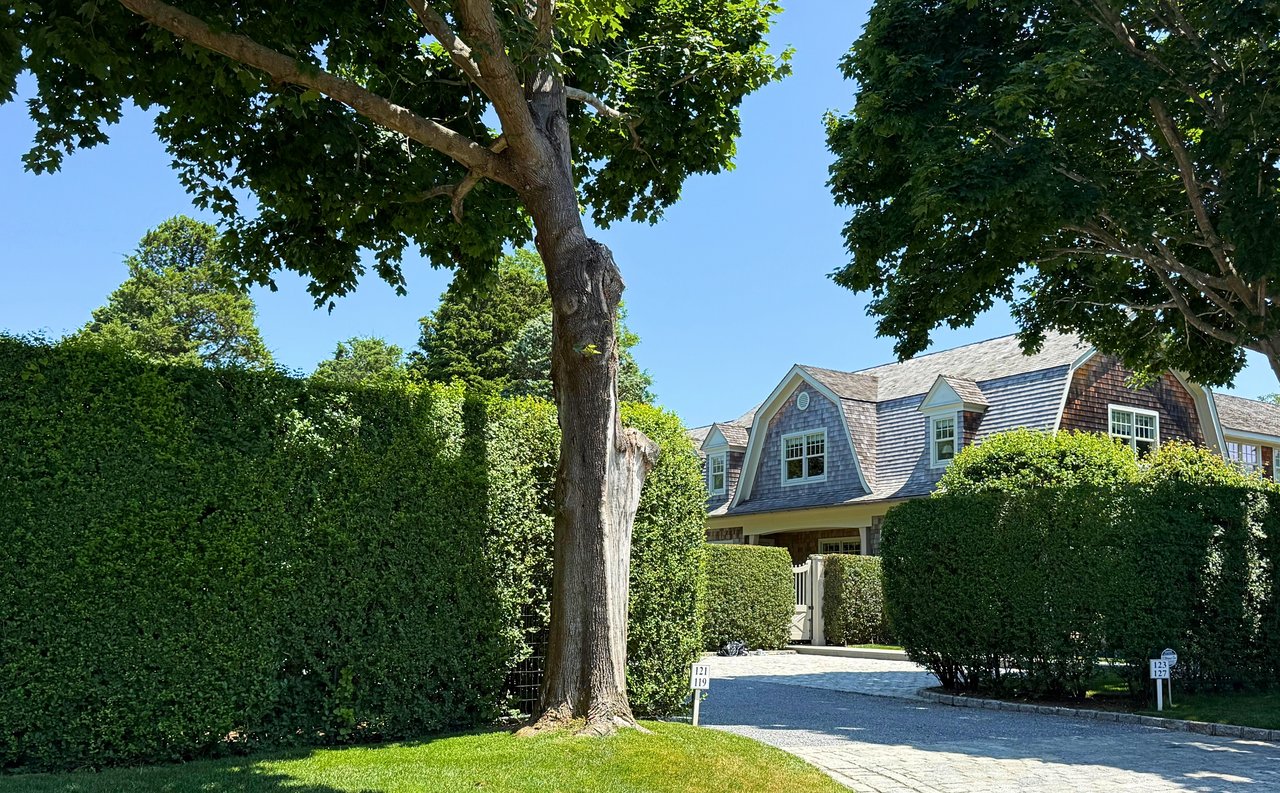
For many legacy-estate sellers, privacy is not a side issue. It is part of the listing strategy. That is especially true in a high-end market where some buyers prefer discretion and many transactions involve experienced, equity-rich households.
NAR’s 2025 Profile of Home Buyers and Sellers found that 26% of all purchases were all-cash, and both buyers and sellers leaned older than in prior years. NAR also reports that vacation-home and investment buyers are more likely to pay cash than primary-residence buyers, which helps explain why discreet, broker-led marketing can be a strong fit for luxury Hamptons properties.
If privacy matters to you, your sale plan may include:
- Appointment-only showings
- Broker-only previews before broader exposure
- Limited circulation of certain interior images
- Careful handling of personal or sensitive spaces
- A tailored rollout instead of immediate wide release
The key is balancing access with control. Buyers still need enough information to engage seriously, but not every detail must be public from day one.
Match Pricing to Today’s Buyer Mindset
Even a remarkable property must meet the market honestly. In a selective environment, overpricing can weaken momentum and cause buyers to question value before they ever visit.
The latest Hamptons numbers show a market with notable strength at the top end, including record activity above $5 million, but also enough supply in Bridgehampton to require discipline. That combination rewards sellers who prepare thoroughly, launch strategically, and align price with condition, provenance, and competition.
Today’s buyers are also practical. NAR reports that sellers most often choose agents for help with marketing, competitive pricing, and selling within a desired timeframe. That makes pricing part of the overall presentation, not a separate decision.
A Practical Prep Checklist
Before you bring a Bridgehampton legacy estate to market, it helps to organize the process into a few clear phases.
Review Property Constraints
- Confirm whether any visible exterior work may require historic review
- Separate ordinary maintenance from design changes
- Build prep timing around approvals if needed
Address Condition Items
- Repair deferred maintenance
- Review roof, paint, and entry condition
- Refresh kitchens and baths where needed
- Simplify anything that may create buyer concern
Refine Presentation
- Edit interiors for clarity and scale
- Stage key rooms and outdoor living areas
- Prepare high-quality photography and video
- Create a clear story around architecture, grounds, and lifestyle
Protect Privacy
- Decide what should be photographed
- Set showing protocols early
- Consider a more discreet rollout if appropriate
- Keep sensitive spaces and personal materials secure
Why a Tailored Strategy Matters
Legacy estates rarely benefit from a one-size-fits-all listing plan. Some should be lightly refreshed and launched broadly. Others should be introduced more quietly through trusted broker networks and a tightly controlled media package. The right choice depends on the property, the seller’s goals, and how the home fits today’s Bridgehampton buyer pool.
That is where local knowledge and marketing discipline make a difference. A property with history needs more than exposure. It needs thoughtful positioning, careful visual presentation, and a strategy that protects value while respecting what makes the home unique.
If you are considering a sale, Jennifer Friedberg can help you evaluate which improvements are worth doing, how to shape the right narrative, and how to bring your property to market with discretion and purpose.
FAQs
What Updates Matter Most Before Selling a Legacy Estate in Bridgehampton?
- The most practical updates are usually paint, repair work, roof-related fixes if needed, kitchen and bathroom touch-ups, entry improvements, and curb appeal cleanup, based on NAR’s 2025 remodeling data.
How Much Staging Should a Bridgehampton Legacy Property Have?
- Most legacy estates benefit from selective staging that clarifies room use, improves flow, and supports photos and tours without covering up original character.
What Should Sellers Highlight When Marketing a Historic-Style Bridgehampton Home?
- Sellers should focus on verified strengths such as architecture, stewardship, grounds, entertaining flow, outbuildings, and the property’s relationship to Bridgehampton’s historic built environment.
How Can You Protect Privacy When Selling a Luxury Estate in Bridgehampton?
- You can use appointment-only showings, broker previews, limited image circulation, and careful handling of personal spaces while still giving qualified buyers the information they need.
When Does a Bridgehampton Property Need Historic Approval Before Exterior Changes?
- According to Southampton Town, if a property is in a designated historic district, visible exterior changes require a Certificate of Appropriateness, while ordinary maintenance does not.