What gives a place lasting character in the Hamptons when so much around it keeps changing? In Springs, the answer is not just scenery or prestige. It is the rare mix of art history, working creative life, rural streetscapes, and bay-centered routines that still shape how the hamlet feels today. If you have been wondering why Springs stands apart, here is what continues to make it feel like the Hamptons’ artist colony. Let’s dive in.
Springs has a real arts legacy
Springs did not pick up its creative identity by accident. Its reputation is closely tied to Jackson Pollock and Lee Krasner, who moved to Springs in the mid-1940s. The Pollock-Krasner House and Study Center preserves the home and studio where they lived and worked, and Stony Brook identifies it as a public museum and research center connected to modern American art on the East End.
That history still matters because local institutions continue to interpret and share it. The East Hampton Historical Society has framed East Hampton as one of America’s preeminent arts colonies through recent exhibition programming. In other words, the artist-colony identity is not frozen in the past. It is still being actively maintained in the present.
The creative community is still visible
A true artist colony needs more than a famous backstory. Springs still has an active network of working artists, and that makes a major difference in how the hamlet feels. The Springs Historical Society’s Artist Directory includes active local artists across disciplines like painting, photography, watercolor, ceramics, sculpture, and cross-media work.
That kind of living creative presence gives Springs a different rhythm from places that only preserve history on plaques. Here, art is not just remembered. It remains part of local life, from studios and exhibitions to recurring community programming.
Ashawagh Hall keeps the tradition going
Ashawagh Hall is one of the clearest examples of that continuity. The Springs Improvement Society says the hall hosts events including the Fisherman’s Fair, Members Show, and Springs Invitational Art Show. East Hampton Historical Society materials trace the first Springs Invitational to 1968, with a poster tradition that began in 1972 and continues today.
Those details matter because they show a local arts calendar with staying power. Springs does not just celebrate its mid-century creative past. It continues to gather around art in a very public, recurring, community-scale way.
Local institutions reinforce the identity
The Springs Historical Society also helps anchor that identity. The society preserves local documents and photographs, operates the Springs Community Library, and sits near several well-known landmarks in the historic district, including Ashawagh Hall, the Community Presbyterian Church, the Blacksmith Shop, the Springs General Store, and the Pollock-Krasner House.
When you put those institutions together, you get more than a collection of historic places. You get a civic and cultural network that reinforces the same story over time. That consistency is part of why Springs still feels authentic.
Springs feels different from Village life
Another reason Springs stands apart is physical layout. A Town of East Hampton hamlet report notes that Springs is the only East Hampton hamlet not located along Montauk Highway. Its main roads are Springs-Fireplace Road and Three Mile Harbor Road, which helps explain why it feels tucked away even though it is close to East Hampton Village.
That separation matters in a practical sense. You are still in the Hamptons, but the approach and atmosphere can feel quieter, less polished, and more rooted in local geography. For many buyers, that difference is exactly the appeal.
Bayfront Springs has a casual rhythm
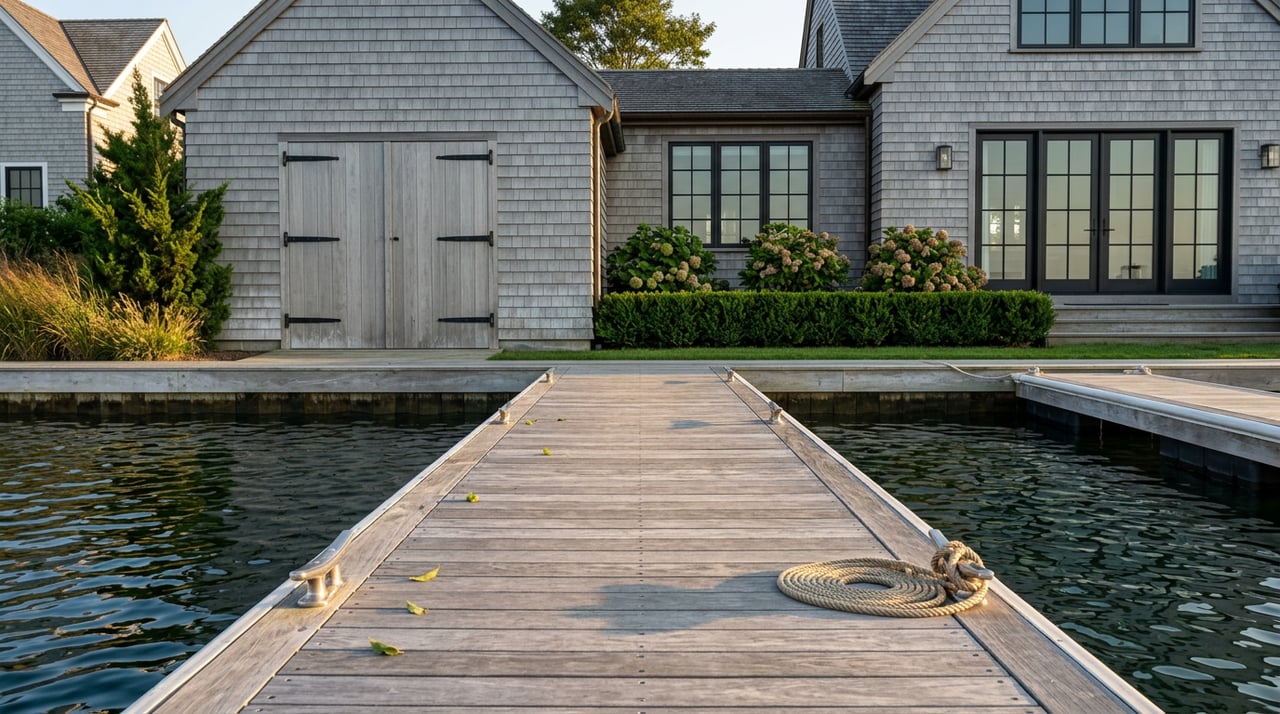
Part of Springs faces the water in a very direct way. Town resilience materials describe Gerard Drive as a low-lying barrier spit with Gardiners Bay on one side and Accabonac Harbor on the other. The same materials describe the area as largely residential and open-space oriented, with many small homes.
The beach and harbor network supports a more casual, outdoors-driven routine. Springs includes places like Gerard Drive Park, Louse Point, Maidstone Park, and Flaggy Hole. Town information notes that Louse Point offers a launch ramp and permit-based vehicular beach access, while Maidstone Park and Beach includes a lifeguarded bay beach, ADA rest rooms, a picnic pavilion, a ballfield, and a playground.
When a place is shaped by bay beaches, launch ramps, and open space, daily life tends to feel a little different. The mood is often more about being outside, being near the water, and moving through the day at a less formal pace.
Inland Springs keeps its rural core
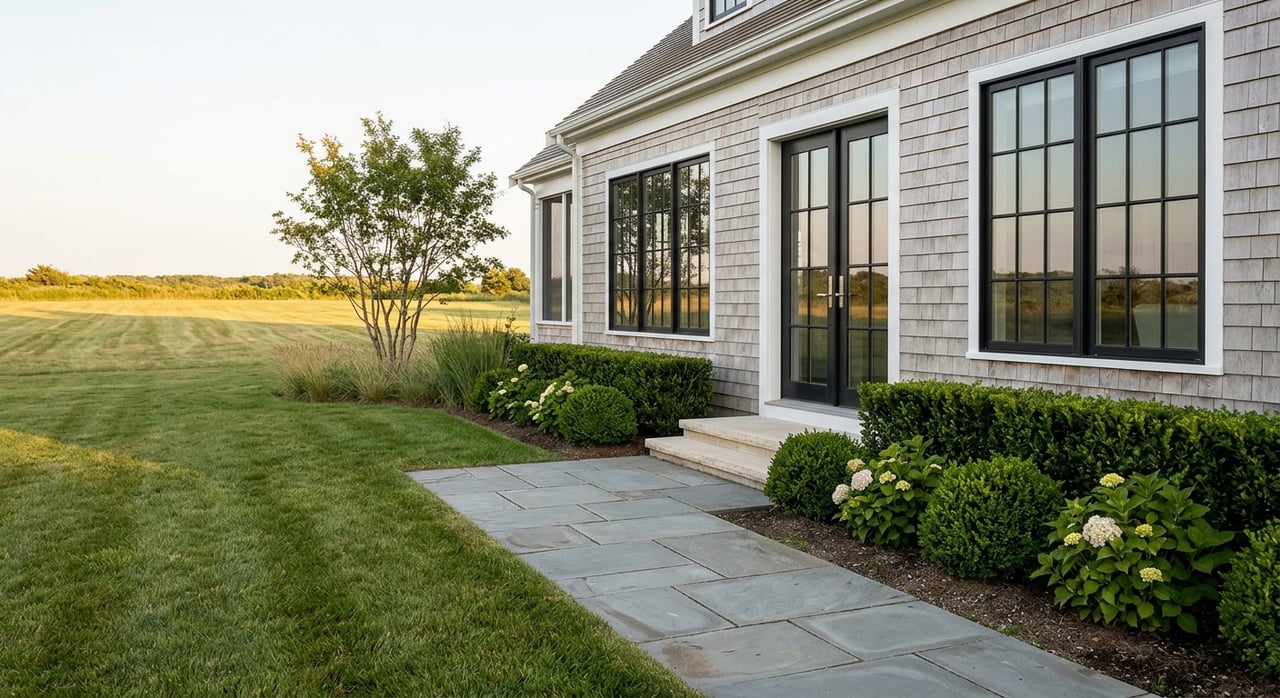
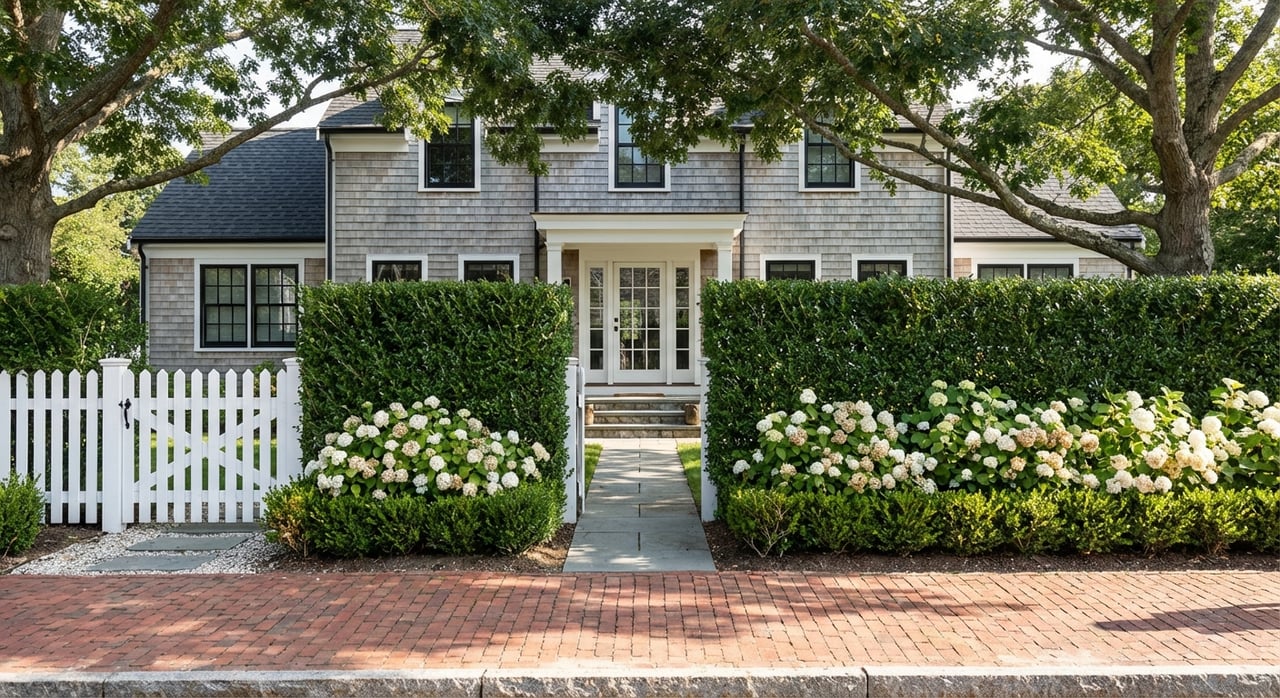
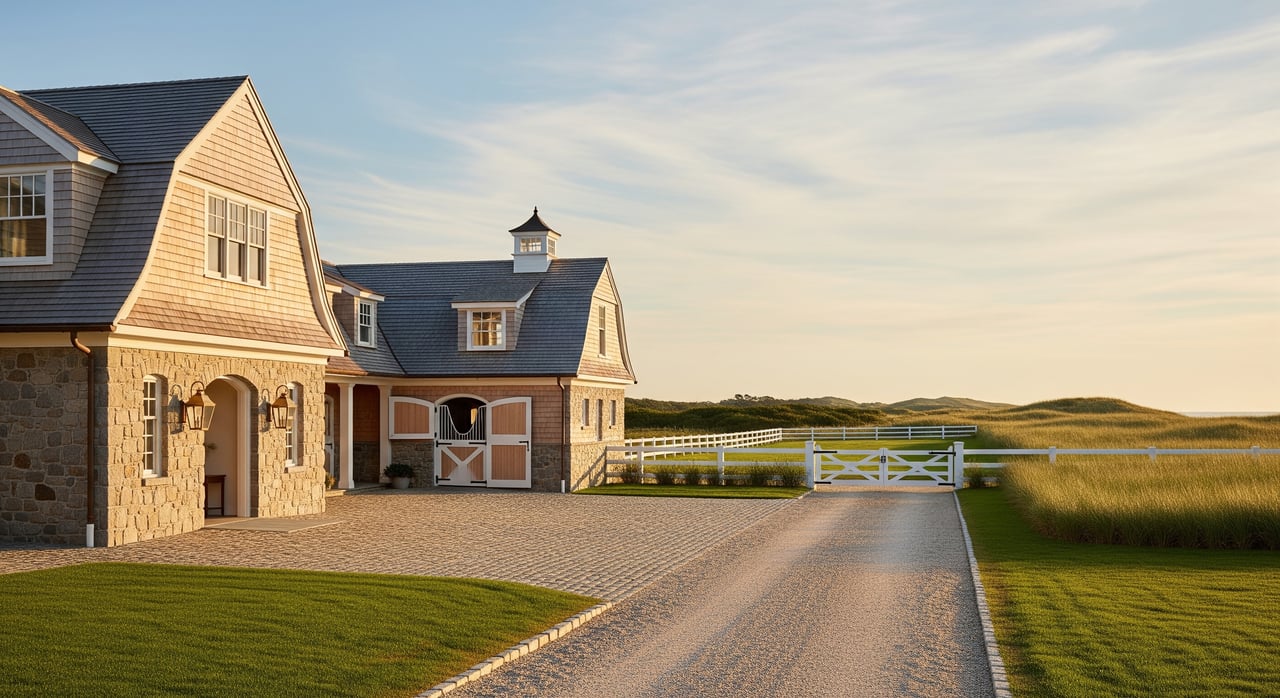
The inland historic core tells a different part of the same story. Springs Historic District guidelines describe the area as a mix of nineteenth-century farmhouses, barns, community buildings, and commercial buildings set within a rural landscape. Preservation goals emphasize open yards, traditional road-front fences, visual connections between historic buildings, and views toward Accabonac Harbor.
That built environment does a lot to preserve the hamlet’s feel. Instead of presenting as a highly uniform luxury enclave, Springs reads as layered, modest in scale, and closely tied to its history. Even later homes fit into a broader setting defined by trees, setbacks, and long-standing community landmarks.
The housing stock supports the character
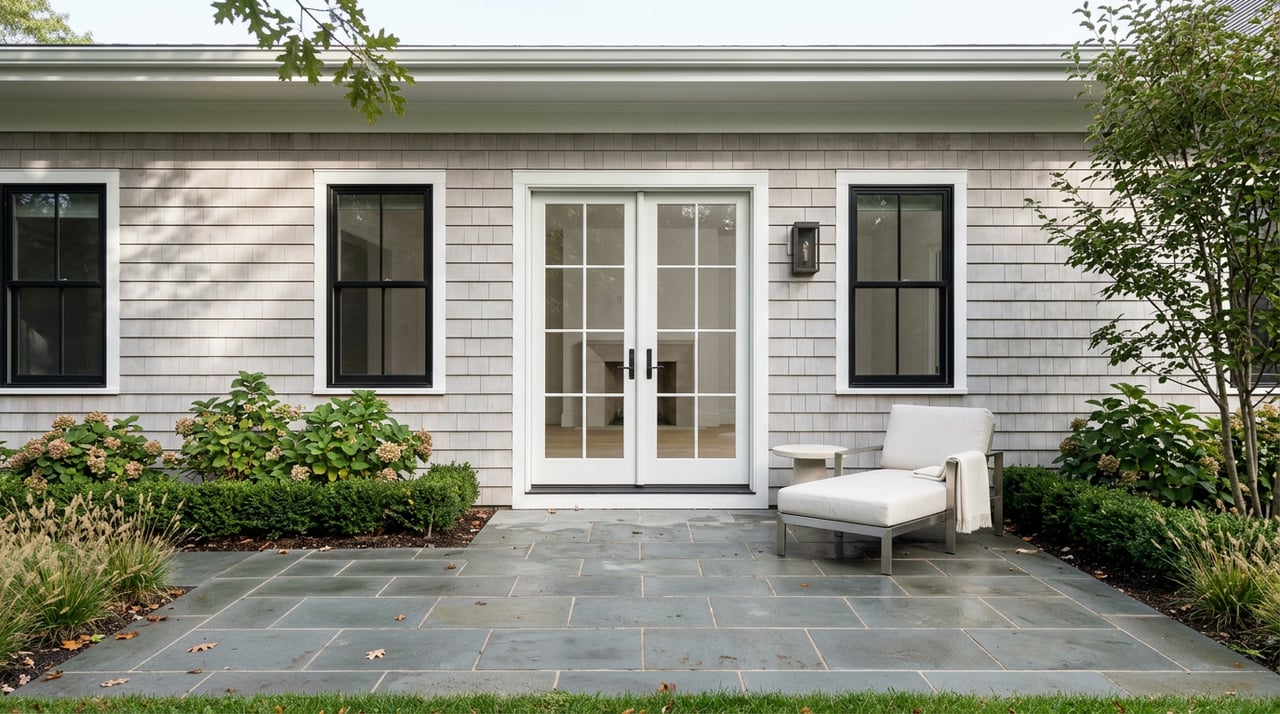
The home mix in Springs also helps explain why the artist-colony label still fits. Historic district materials identify an intact core that includes vernacular farmhouses, barns, the 1844 Springs General Store, the 1882 Springs Community Presbyterian Church, the 1884 Springs School now known as Ashawagh Hall, and the 1886 blacksmith shop.
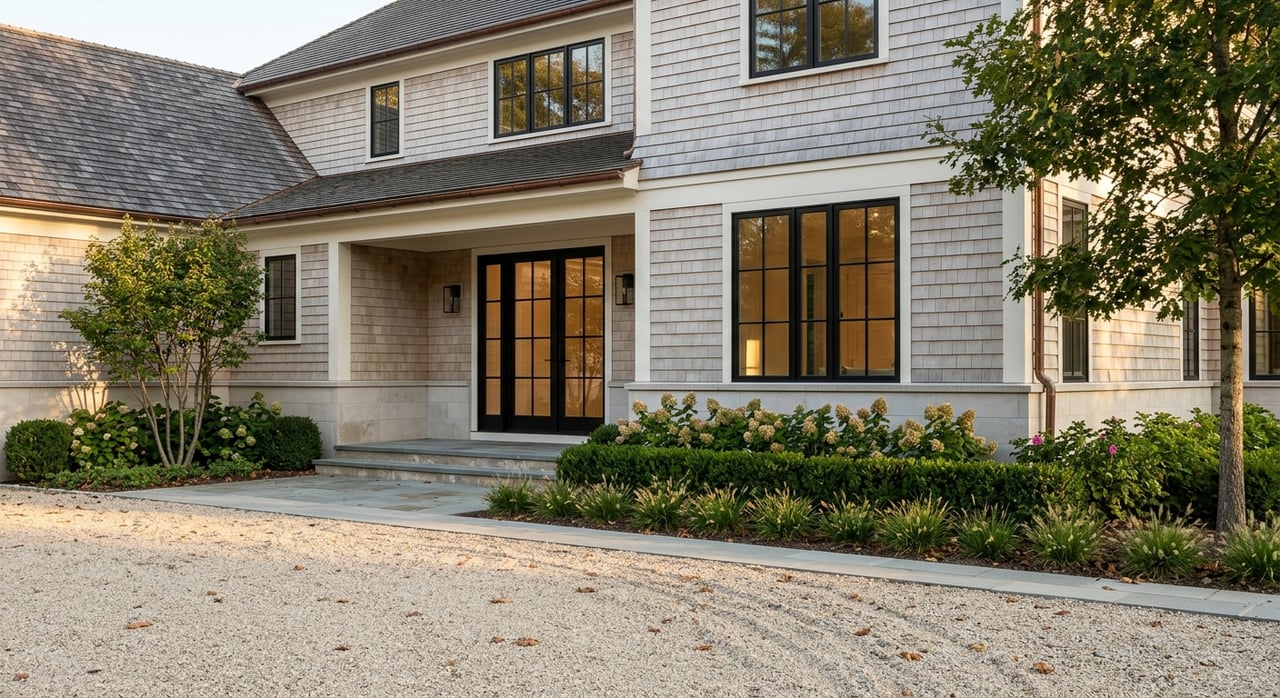
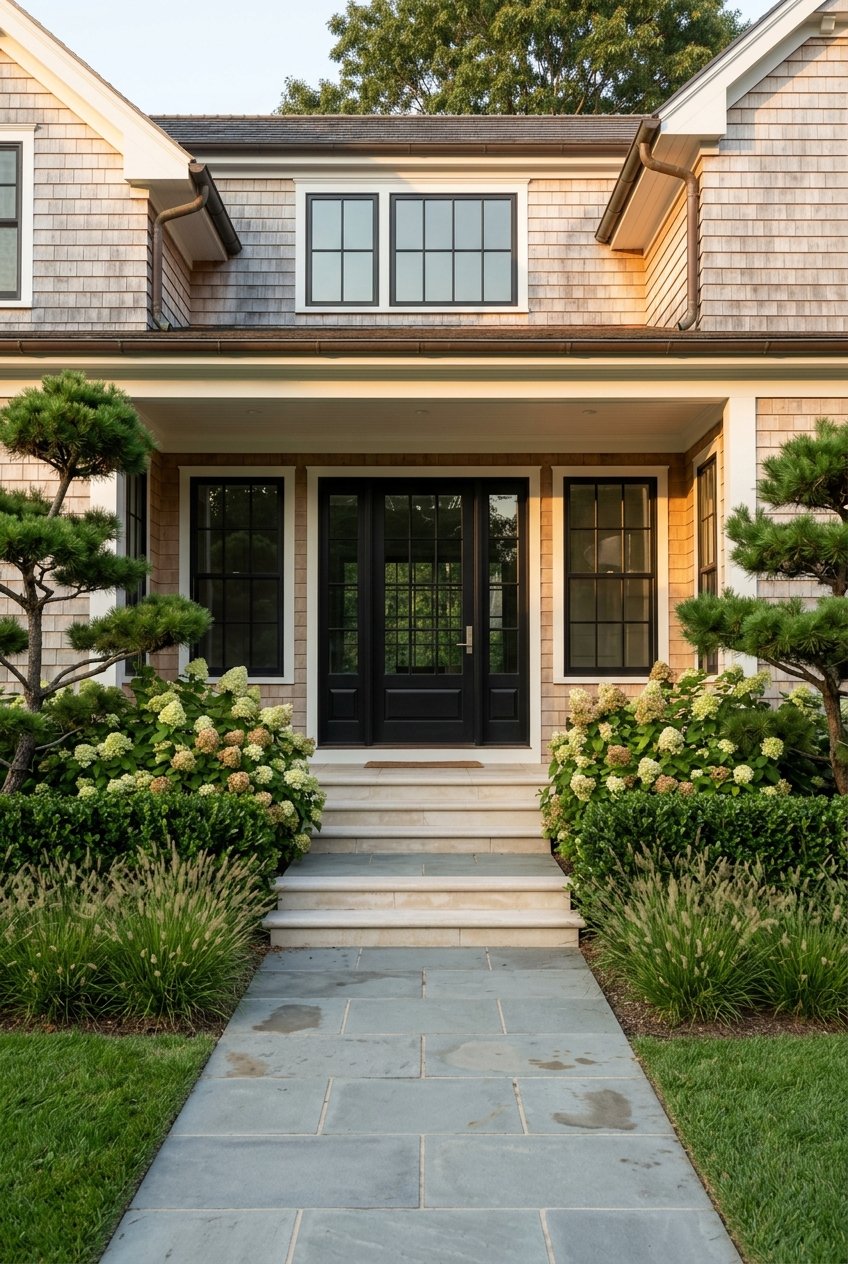
That does not mean Springs is untouched by change. It means the hamlet still presents as a blend of historic fabric, small-scale community buildings, and later infill rather than a landscape of uniform estate properties. For buyers who want the Hamptons with more texture and less formality, that distinction is meaningful.
Springs remains comparatively grounded on price
Springs is firmly part of the Hamptons market, but it sits in a different price lane than East Hampton Village. Zillow’s current Springs Home Value Index is $1,413,488, with a median list price of $1,891,500 as of March 31, 2026. The same source lists East Hampton Village at $5,568,177.
That is a gap of $4,154,689, with East Hampton Village at about 3.94 times the Springs figure. While every property and micro-location is different, that spread helps explain why Springs can feel more grounded while still offering access to the broader Hamptons lifestyle. In market terms, it supports the idea that Springs remains distinctive rather than interchangeable.
Daily life still feels local
Character is not only about architecture or famous names. It also comes from how people use a place. Springs Park, for example, is a 42-acre passive recreation area for hiking, biking, jogging, bird watching, and photography.
Add in bay beaches, local fairs, art shows, library programming, and recurring neighborhood events, and the rhythm of Springs comes into focus. The social life is not centered on a highly commercial main street. It is shaped by local institutions, outdoor routines, and civic spaces that make the hamlet feel lived-in and connected.
Why the artist-colony feeling lasts
Springs still feels like the Hamptons’ artist colony because all of its defining elements point in the same direction. The Pollock-Krasner legacy gives it a credible origin story. The current artist network and recurring public programs show that creativity is still active, not just commemorated.
At the same time, the rural historic core, bayfront geography, modest-scale community landmarks, and more grounded price positioning reinforce a distinct way of living. Springs feels unmistakably Hamptons, but it also feels more tucked away, more layered, and more personal.
If you are drawn to the Hamptons for beauty, culture, and a sense of place, Springs offers a version of that story that still feels unusually intact. For buyers and sellers alike, that enduring identity is part of what makes the hamlet so compelling.
If you are considering buying or selling in the Hamptons and want guidance rooted in local perspective, Jennifer Friedberg offers a thoughtful, high-touch approach shaped by deep market knowledge and a clear understanding of what makes each hamlet distinct.
FAQs
Why is Springs called the Hamptons’ artist colony?
- Springs is closely tied to Jackson Pollock and Lee Krasner, has ongoing arts programming at places like Ashawagh Hall, and still supports an active local artist community through institutions such as the Springs Historical Society.
What makes Springs feel different from East Hampton Village?
- Springs is the only East Hampton hamlet not along Montauk Highway, and its setting is more bay-oriented, rural, and community-scaled than the more polished village-center feel many people associate with East Hampton Village.
What is the lifestyle like in Springs, NY?
- Springs lifestyle tends to center on bay beaches, parks, boating access, outdoor recreation, local fairs, art shows, and neighborhood institutions rather than a highly commercial social scene.
What kinds of homes are common in Springs?
- Springs includes a mix of historic farmhouses, barns, small-scale community buildings, later infill homes, and waterfront or water-oriented properties, rather than a uniform concentration of luxury estates.
How do Springs home prices compare with East Hampton Village?
- As of March 31, 2026, Zillow lists Springs with a Home Value Index of $1,413,488 and East Hampton Village at $5,568,177, showing Springs at a much lower price point while remaining firmly within the Hamptons market.