Dreaming of a Hamptons-area escape where the day starts at the dock and ends over a great dinner? Shelter Island offers a very specific kind of home life, shaped by ferry crossings, quiet preserves, waterfront views, and a slower daily rhythm. If you're considering buying here or planning an extended stay, understanding how the island actually works—from transportation and services to boating, beaches, and everyday logistics—can help determine whether it's the right fit. Let's dive in.
Shelter Island at a Glance
Shelter Island is a small town of roughly 3,300 to 3,400 year-round residents with a median owner-occupied housing value around $1.1 million and median household income near $130,000. These numbers reflect a premium market with many seasonal homes.
The island's defining feature is access by ferry only. That separation creates the quiet, retreat-like feel many buyers want while shaping every plan you make. Once the ferry rhythm becomes part of daily life, it offers a remarkable sense of privacy that's increasingly difficult to find elsewhere in the Hamptons.
A significant portion of the island is permanently preserved, anchored by the Nature Conservancy's Mashomack Preserve, with miles of trails, protected shoreline, and coastal habitat. This extensive open space helps define Shelter Island's character while limiting overdevelopment.
Ferries You'll Use Often
South and North Ferry Basics
Two year-round vehicle and walk-on ferries connect the island. The South Ferry links Shelter Island to North Haven near Sag Harbor, typically operating every 10 to 15 minutes. The North Ferry connects to Greenport, generally running every 10 to 20 minutes with expanded summer service. Both operate on a first-come, first-served basis.
What the Ferry Means for Your Day
During peak summer weekends, ferry lines can build quickly, making timing an important part of island life. Contractors, deliveries, and service providers often schedule work around ferry traffic, and many residents plan grocery runs, furniture deliveries, and larger errands during quieter weekday hours.
Commuting to the City
Daily commuting to Manhattan is generally impractical. Reaching the Long Island Rail Road requires taking the North Ferry to Greenport, where train service is more limited than stations farther west. Shelter Island is better suited for remote work, weekend living, or commuting within the East End.
Emergencies, Utilities, and Services
Emergency medical services are provided locally, with most ambulance transports heading to Greenport and higher-acuity cases directed to Southampton or Peconic Bay. Serious medical emergencies typically involve both water and land transportation.
Many homes rely on private wells and septic systems, making environmental regulations and permitting an important consideration for additions, pools, or waterfront improvements.
Shopping and dining remain intentionally limited compared to neighboring Hamptons communities. Everyday restaurants, cafés, and markets are available on the island, while larger grocery stores, specialty shopping, and major medical services are typically found in Greenport, Riverhead, or Southampton.
Boating and Waterfront Life
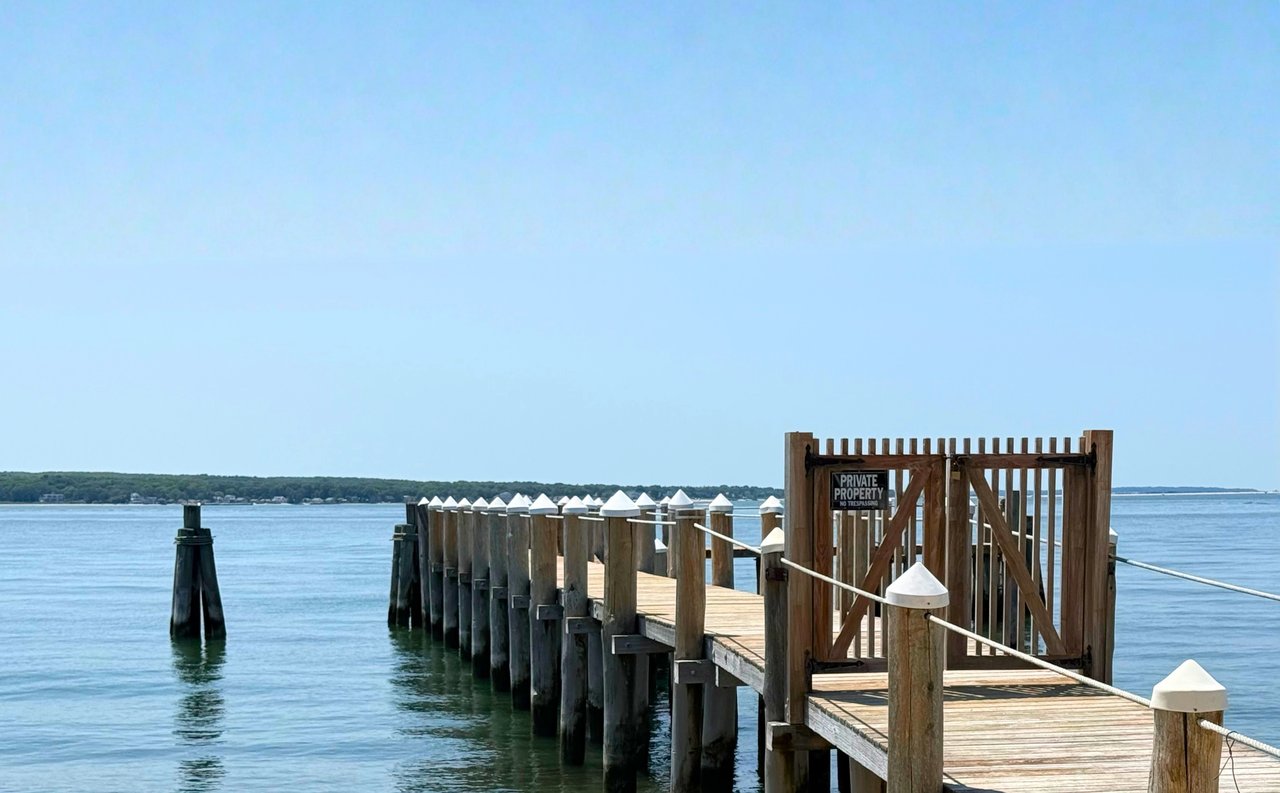
Boating is central to life on Shelter Island. The historic Shelter Island Yacht Club in Dering Harbor hosts sailing programs, regattas, and social events that define much of the summer season.
For homeowners planning to keep a boat locally, moorings are managed by the Town of Shelter Island and require permits. Availability varies by location, making early planning worthwhile.
Nature, Beaches, and Open Space
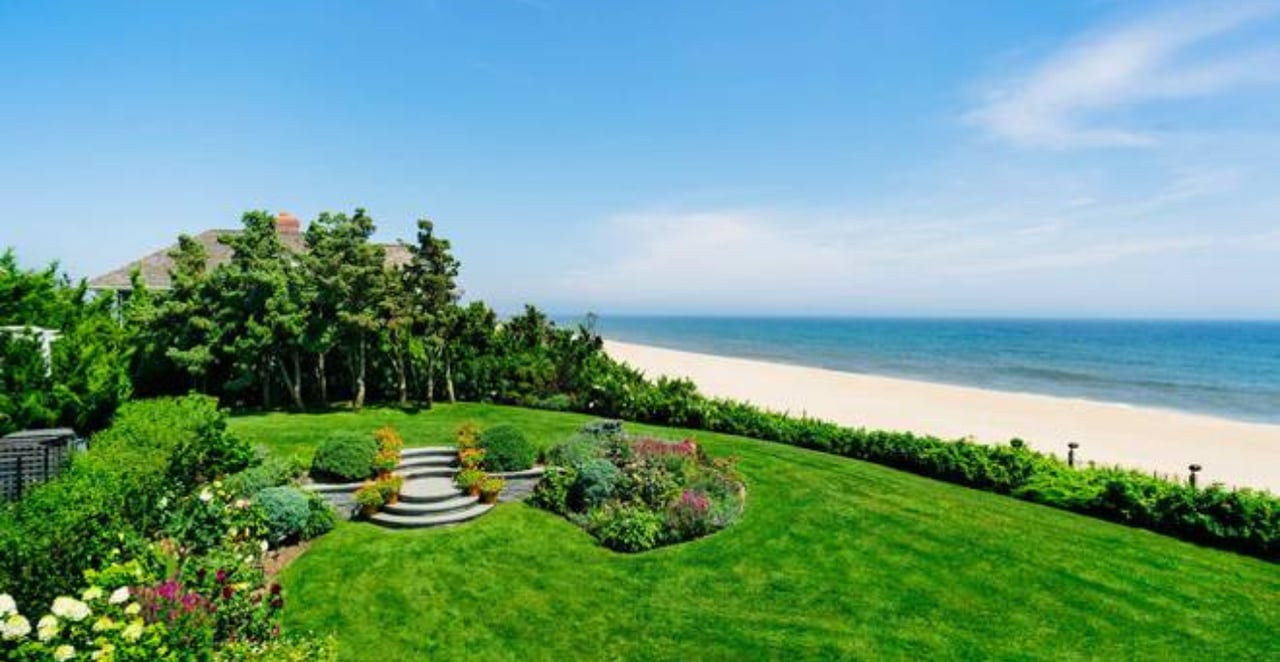
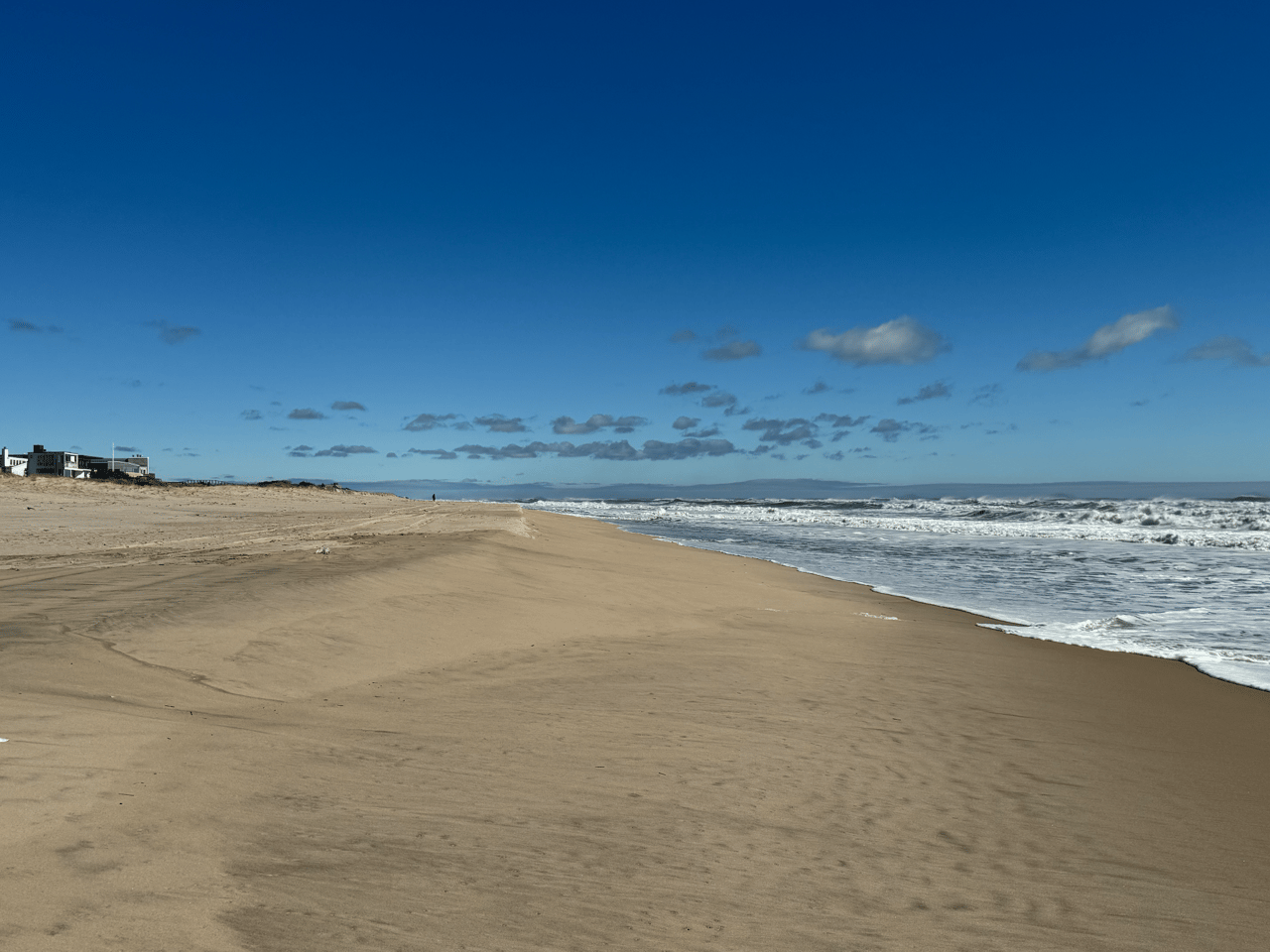
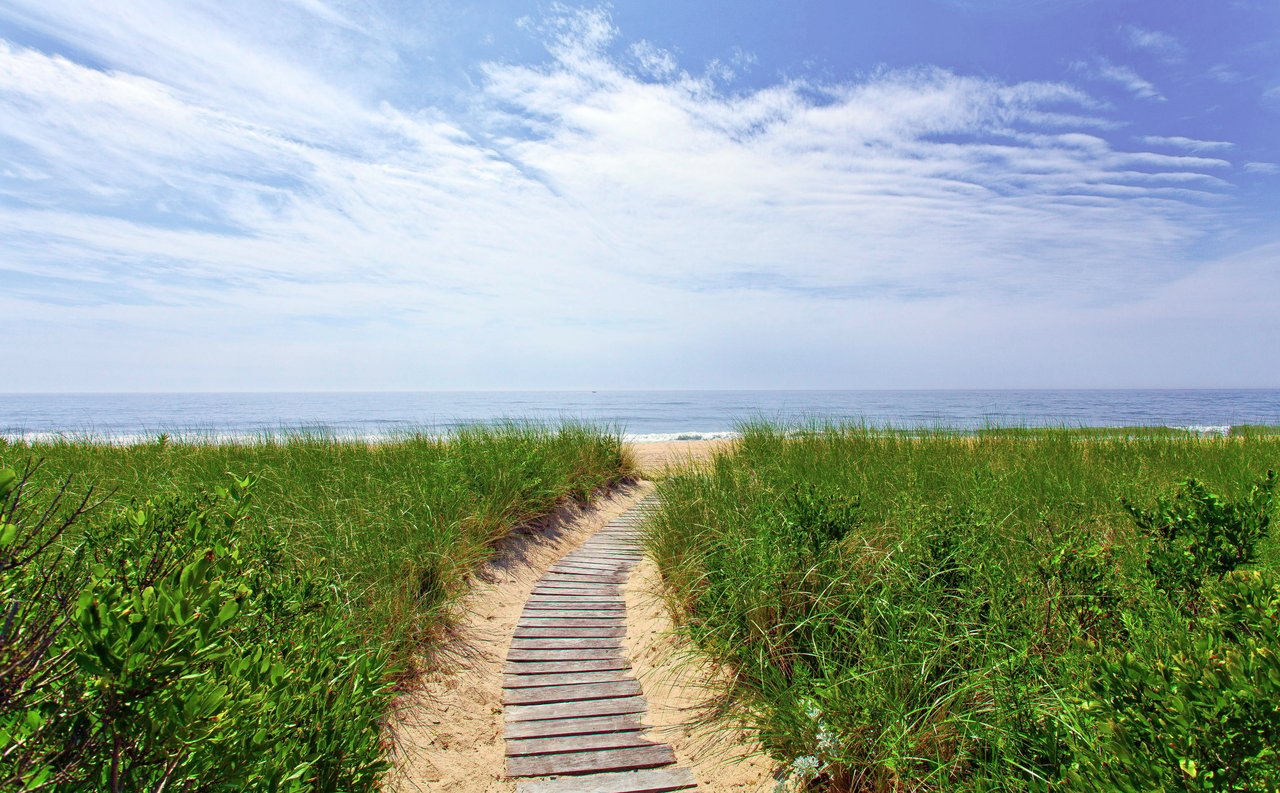
Mashomack Preserve offers thousands of acres of protected woodland, shoreline, and walking trails that can be enjoyed year-round. Throughout the island, quiet beaches and sheltered coves reinforce Shelter Island's understated appeal. Some beaches require seasonal permits or parking passes, particularly during the busiest summer months.
Heritage, Neighborhoods, and Privacy
Distinct neighborhoods such as Shelter Island Heights, Dering Harbor, and the Crescent Beach area each offer their own personality while sharing the island's emphasis on natural beauty and waterfront living.
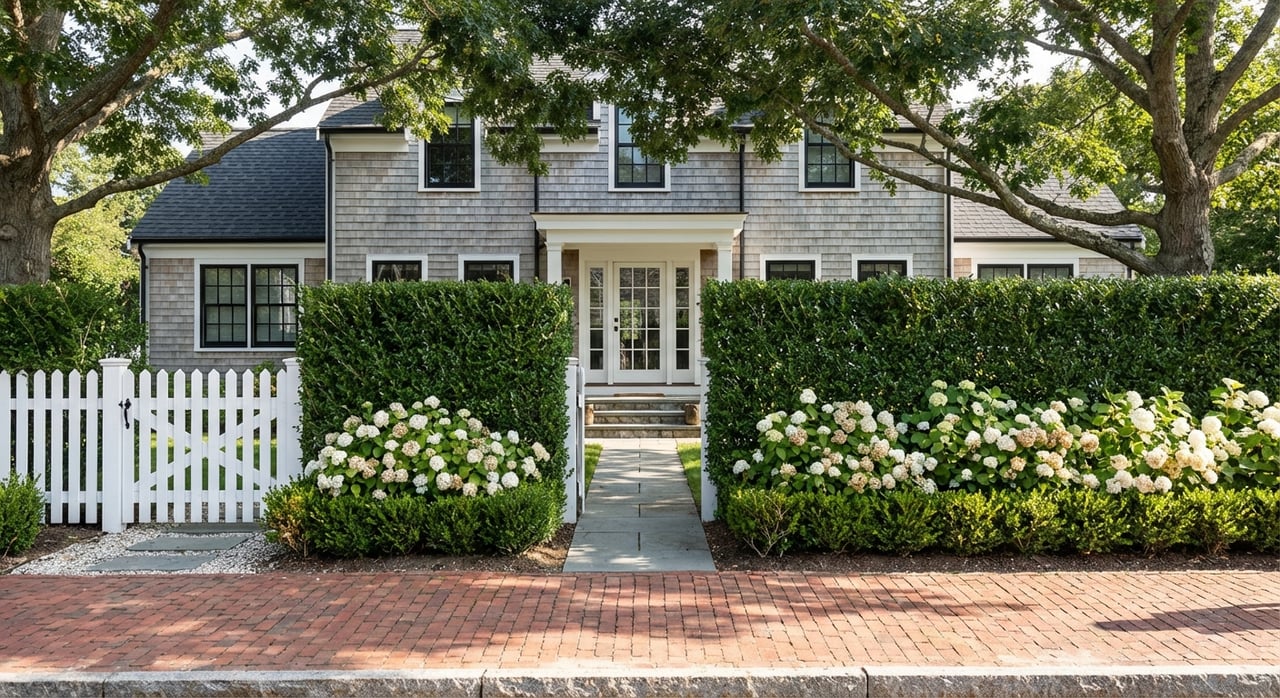
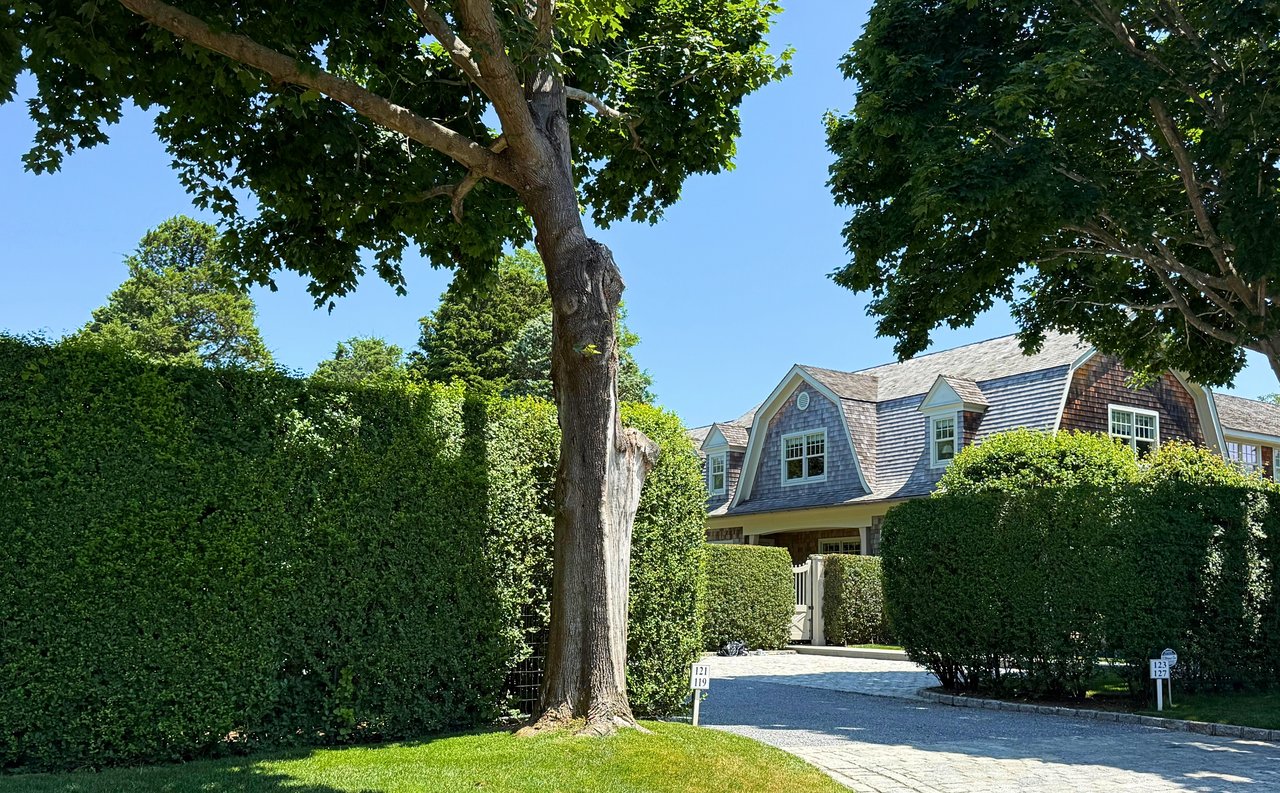
Historic landmarks like Sylvester Manor help preserve the island's heritage, while low-density development, generous setbacks, and abundant vegetation create an uncommon level of privacy. Waterfront properties may experience seasonal boating activity, but thoughtful lot orientation and mature landscaping often provide exceptional seclusion.
Who Shelter Island Fits Best
Shelter Island is an excellent fit for buyers who:
- Want a private, summer-forward retreat with exceptional boating and waterfront access.
- Plan to work remotely or commute primarily within the East End.
- Value preserved open space, nature trails, quiet beaches, and a slower pace over constant retail and nightlife.
- Appreciate a community where privacy, natural beauty, and waterfront living define everyday life.
Ownership Considerations
Shelter Island is a premium market with many seasonal homes and high property values. Several practical considerations help buyers plan ahead:
- Home values and ownership costs. Median owner-occupied home values are approximately $1.1 million, reflecting the island's strong second-home market.
- Delivery and contractor logistics. Ferry crossings often influence scheduling and may increase delivery or contractor costs, particularly during summer.
- Environmental regulations. Septic systems, shoreline protections, and permitting requirements can affect renovations and additions.
- Flood and coastal resilience. Waterfront and low-lying properties should be evaluated carefully for flood zones, insurance, and future resiliency planning.
- Boating access. Buyers planning to keep boats should confirm mooring availability, permits, and marina options early in the process.
Work With a Strategic Local Advisor
Buying on Shelter Island is part lifestyle decision and part logistics puzzle. Working with a broker who understands the East End means gaining insight into ferry logistics, permitting considerations, waterfront nuances, and opportunities that may never reach the public market.
Jennifer Friedberg combines local market expertise with thoughtful guidance and strategic marketing to help buyers identify the right property, navigate the process with confidence, and make informed long-term decisions.
FAQs
IS SHELTER ISLAND A PRACTICAL DAILY COMMUTE TO MANHATTAN?
Generally no. Daily commuting requires ferry travel followed by the Long Island Rail Road, making Shelter Island better suited for remote work, weekends, or East End commuting.
HOW OFTEN DO THE SHELTER ISLAND FERRIES RUN?
Both ferries operate year-round on a first-come, first-served basis. The South Ferry generally runs every 10–15 minutes, while the North Ferry typically operates every 10–20 minutes.
WHAT MEDICAL SERVICES ARE AVAILABLE?
Emergency services respond on the island, with most transports heading to Greenport and higher-acuity cases to Southampton or Peconic Bay.
ARE THERE PUBLIC BEACHES AND NATURE TRAILS?
Yes. Shelter Island offers numerous town beaches and the expansive Mashomack Preserve, one of the largest protected natural areas on Long Island.
HOW DO I SECURE A MOORING?
The Town of Shelter Island manages mooring permits and launch services. Availability varies, so buyers planning to keep a boat should begin that process early.