If you own a home in Southampton, you have probably wondered whether a seasonal rental can help offset the cost of carrying the property. The short answer is yes, but only when the plan is built around local rules, realistic timing, and the right rental positioning. If you approach it with discipline instead of treating it like a generic short-term rental, seasonal income can become a smart part of your ownership strategy. Let’s dive in.
Start With Jurisdiction First
The first question is not how much rent your home could command. It is whether your property is in the unincorporated Town of Southampton or the incorporated Village of Southampton, because each jurisdiction has its own rental rules.
In the Town of Southampton, any home offered for rent needs a rental permit. The town also requires a 14-day minimum stay, and rentals shorter than that are treated as transient rentals that are not permitted under the code. According to the Town rental FAQ, permits are valid for two years and are non-transferable.
In the Village of Southampton, the framework is separate. Under the village’s seasonal-use rental rules, seasonal-use dwellings are capped at 120 days per calendar year, also generally require a 14-day minimum stay, and allow only a limited exception for one-week rentals twice per year. The village also requires registration materials such as the lease, affidavits, and smoke and carbon-monoxide compliance paperwork.
That distinction matters because your income plan, lease structure, and calendar all depend on which rules apply. In Southampton, the code drives the rental model first. Platform convenience comes second.
Why Compliance Affects Profitability
A seasonal rental is not just about gross income. Your actual result depends on how smoothly you can get the property rent-ready, permitted, and booked within the legal framework.
For Southampton Town properties, current application materials show a standard biennial permit fee of $400. The package also calls for certificates of occupancy or compliance and a smoke-detector affidavit, which means paperwork and code readiness are part of the cost of doing business.
Timing matters too. The town says the permit process usually takes about 1 to 3 weeks, or 2 to 4 weeks during the busy summer season, according to the Town FAQ. If you wait too long, you can miss the strongest booking window.
The town also warns that advertising, listing, or showing a property for rent before the permit is issued can trigger violations. That makes careful planning essential, especially if you want a seamless season with fewer last-minute issues.
Understand the Southampton Rental Calendar
In the Hamptons, timing is part of the strategy. Recent reporting from Realtor.com notes that February and early March are traditionally important months for serious renters, while July and August remain the peak of the season.
That same reporting points out that higher-budget renters are often locking in earlier than they used to. If you are targeting premium seasonal demand, it helps to be prepared well before spring.
Southampton is also not one single rental market. It functions more like a set of micro-markets, where different renters prioritize different locations, home styles, and stay lengths. That means your strategy should reflect your property’s specific setting and audience, not broad assumptions about “the Hamptons.”
Southampton Rentals Are Still Broker-Led
One of the biggest misconceptions owners make is assuming that seasonal rentals here work like app-based vacation bookings. In reality, Realtor.com reports that many Hamptons rentals are still secured through real estate professionals rather than public booking platforms.
That is especially relevant in Southampton, where inventory, discretion, timing, and pricing are often highly nuanced. Many of the most desirable rental opportunities are handled through brokers, and some never appear widely on the public market.
For you as an owner, that can be an advantage. A broker-led approach can help align pricing, screening, timing, and property presentation in a way that supports both income and long-term value.
What Seasonal Pricing Can Look Like
Seasonal pricing in the Hamptons varies widely by submarket, condition, location, and amenities. According to 2026 market commentary reported by Realtor.com, rough pricing bands look like this:
- Entry seasonal rentals: $35,000 to $60,000
- Renovated three- to four-bedroom homes: $65,000 to $120,000
- Prime village locations or homes near the ocean: $150,000 to $350,000+
- Ultraluxury oceanfront estates: $500,000 to well over $1 million
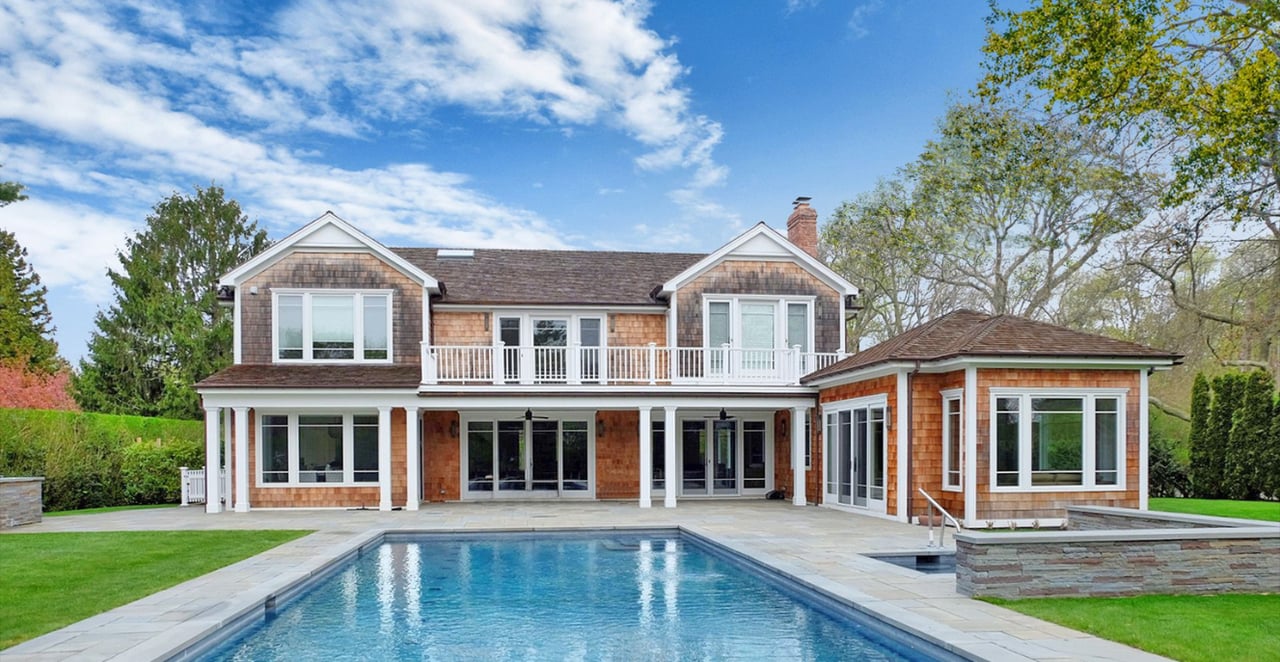
These ranges are useful as directional context, not as automatic pricing for your home. In Southampton, the strongest rental assets tend to be renovated homes with pools and good access to village centers, while oceanfront properties command a scarcity premium.
That also means a home does not need to be oceanfront to perform well. If the property is well-presented, well-located, and aligned with what seasonal tenants are seeking, inland and near-village homes can still attract strong demand.
Focus on Net Carry Relief
When owners ask whether renting makes sense, the better question is not, “What is the highest rent I can get?” It is, “How much of my annual ownership cost can this realistically offset?”
That is where disciplined underwriting matters. Gross rent is only the top line. Your actual offset may be reduced by permit costs, turnover, maintenance, furnishing, management, preparation, and possible vacancy.
Here is a simple way to think about it:
- Gross seasonal rent is the headline number
- Operating and compliance costs reduce that number
- Net rental proceeds are what may help offset taxes, insurance, maintenance, and other carrying costs
For some owners, that seasonal income may cover a meaningful portion of annual carry. For others, it may simply reduce the cost of owning a property they value for personal use and long-term appreciation. Either result can be worthwhile when expectations are set properly.
Rental Strategy Should Match the Home
Not every Southampton property should follow the same rental plan. The right strategy depends on your home’s location, design, condition, amenity set, and the type of renter it is most likely to attract.
Broker commentary cited by Realtor.com suggests that Southampton Village often attracts family-oriented and repeat seasonal renters, while other nearby Hamptons areas may appeal more to privacy-focused luxury tenants. In practical terms, that means pricing and lease structure should reflect who the likely tenant is, not just square footage or bedroom count.
A polished home with a pool and easy access to village amenities may perform differently from a larger but less turnkey property farther from those draws. Successful seasonal rentals are usually well-matched products, not one-size-fits-all listings.
Seasonal Rentals Can Support a Future Sale
A thoughtful rental plan can do more than reduce carrying costs. It can also support your long-term sale strategy, especially if you are waiting for the right market window.
Late-2025 market reporting showed a strong East End sales environment. Corcoran’s East End market report noted record-low inventory and record median and average prices across the South Fork in the fourth quarter of 2025. Douglas Elliman and Miller Samuel reported a Southampton median sales price of $2,650,000 in Q4 2025, with inventory down year over year.
That does not mean a rental program guarantees profit or a better sale outcome. It does suggest that, in a supply-constrained market, seasonal income can serve as a useful bridge while you preserve flexibility for a future listing.
The key is to keep the property show-ready and structure the calendar carefully. If a sale becomes more likely, remember that Town of Southampton rental permits are non-transferable, so a buyer would need to obtain a new permit after closing, according to the Town FAQ.
A Smart Approach for Southampton Owners
In Southampton, seasonal rentals work best when they are treated as a controlled ownership strategy, not as a casual side income stream. The strongest results usually come from planning early, pricing realistically, following the local code, and presenting the home in a way that fits the market.
If you own in Southampton and are considering whether to rent, sell, or do both in sequence, a customized plan matters. The right approach can help you reduce carry, protect the property’s value, and keep your longer-term options open.
If you want to evaluate your home’s rental potential and how it fits into your broader ownership goals, Jennifer Friedberg offers a discreet, high-touch approach tailored to the Hamptons market.
FAQs
What Are the Minimum Stay Rules for Seasonal Rentals in Southampton?
- In both the Town of Southampton and the Village of Southampton, seasonal rentals generally require a minimum stay of 14 days, although the Village allows a limited exception for one-week rentals twice per calendar year under its rules.
Does a Southampton Town Property Need a Rental Permit Before Marketing?
- Yes. The Town of Southampton requires a rental permit for homes being rented, and the town warns that advertising, listing, or showing a property before a permit is issued can lead to violations.
How Long Does the Southampton Town Rental Permit Process Take?
- The Town of Southampton says the process usually takes about 1 to 3 weeks, or 2 to 4 weeks during the busy summer season.
Can a Seasonal Rental Help Offset Southampton Ownership Costs?
- Yes, a seasonal rental can help reduce carrying costs, but the real benefit depends on net proceeds after permit fees, maintenance, furnishing, turnover, management, and possible vacancy.
Can Seasonal Renting Support a Future Home Sale in Southampton?
- Yes, in some cases. A well-managed rental program may help bridge carrying costs while you wait for a favorable sale window, especially if the property remains well-maintained and available for future marketing.