If you want the Hamptons at its most refined, Sagaponack and Wainscott offer a rare balance: working farmland, open sky, and quick access to the Atlantic. That combination can feel effortless when you are driving past fields toward the beach, but it is shaped by local rules, limited inventory, and very different access patterns from one area to the next. Understanding how these places actually function can help you buy with more confidence and a clearer sense of fit. Let’s dive in.
Why Sagaponack and Wainscott Feel Distinct
Sagaponack and Wainscott are neighbors, but they do not live the same way on the ground. Sagaponack is an incorporated village in Southampton Town with deep agricultural roots, Atlantic frontage, and a notably small year-round population. Wainscott, by contrast, is a hamlet in East Hampton Town that functions more as a gateway area, with a business district, residential areas, and practical beach-access points rather than a classic village center.
That distinction matters when you start looking at homes. In Sagaponack, the setting is intentionally protected and local governance is highly specific. In Wainscott, the appeal often comes from convenience, access, and a more understated coastal rhythm.
What “Farm-to-Beach” Really Means
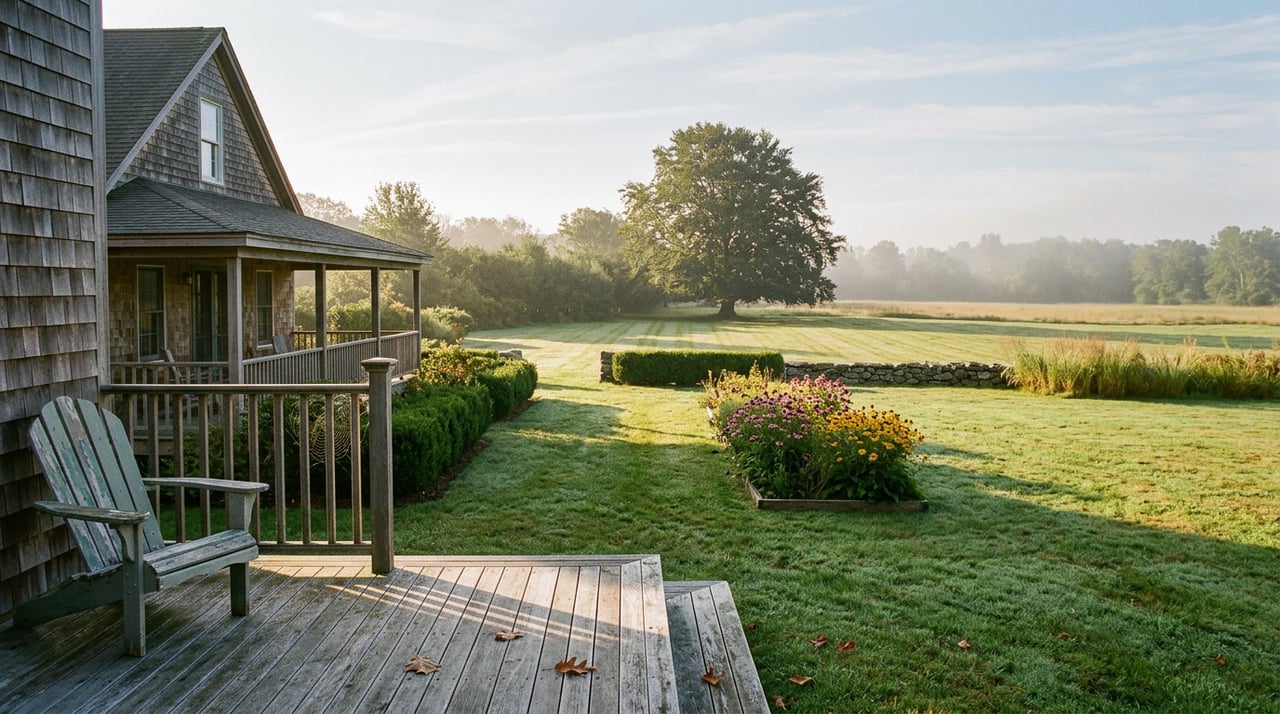
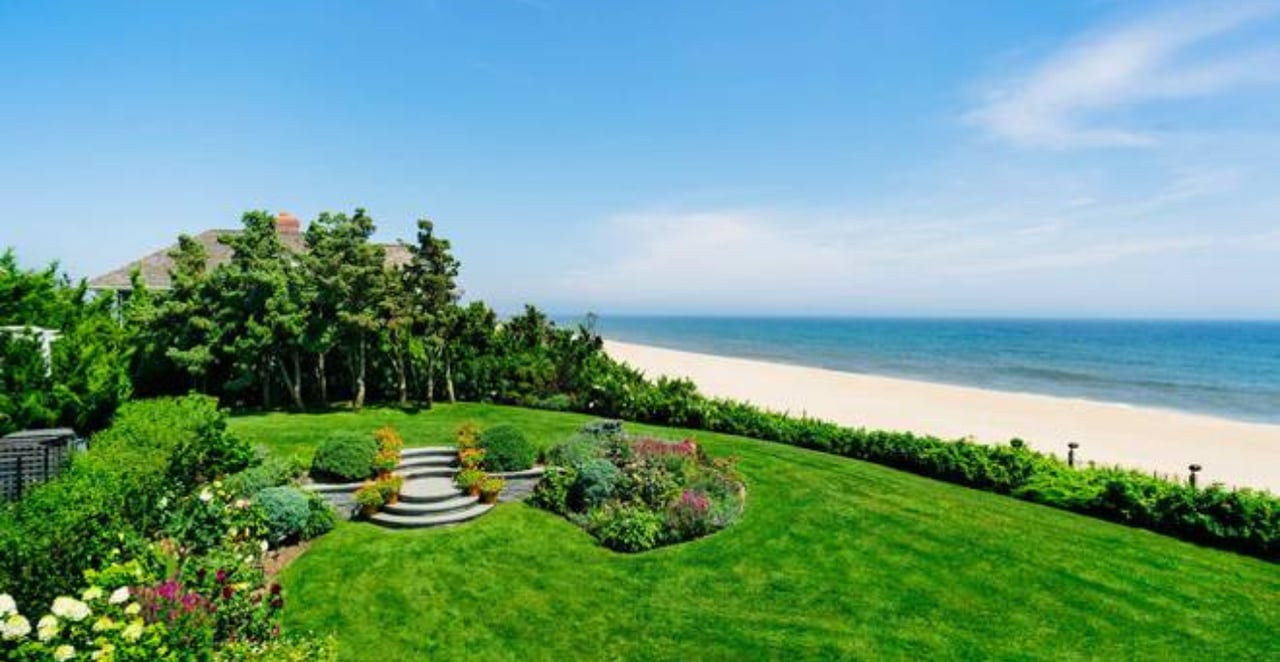
In many markets, farm views and beach access are separate lifestyle categories. Here, they overlap in a way that is unusual even for the Hamptons. You can move through open agricultural land, preserved vistas, and estate streetscapes, then arrive at the ocean within minutes.
In Sagaponack especially, agriculture is not just visual backdrop. Local code still supports working farm uses, including agricultural buildings, farm stands tied to qualifying agricultural operations, and certain larger-lot uses such as animal husbandry on parcels of seven acres or more. The result is a landscape that feels low-scale, open, and deeply tied to land use, not just luxury branding.
Sagaponack: Protected, Private, and Highly Regulated
Sagaponack’s appeal is closely connected to how carefully it has been managed. The village operates its own building, planning, zoning, and architectural or historic review boards. For you as a buyer, that means due diligence is highly local and often more layered than in a typical beach hamlet.
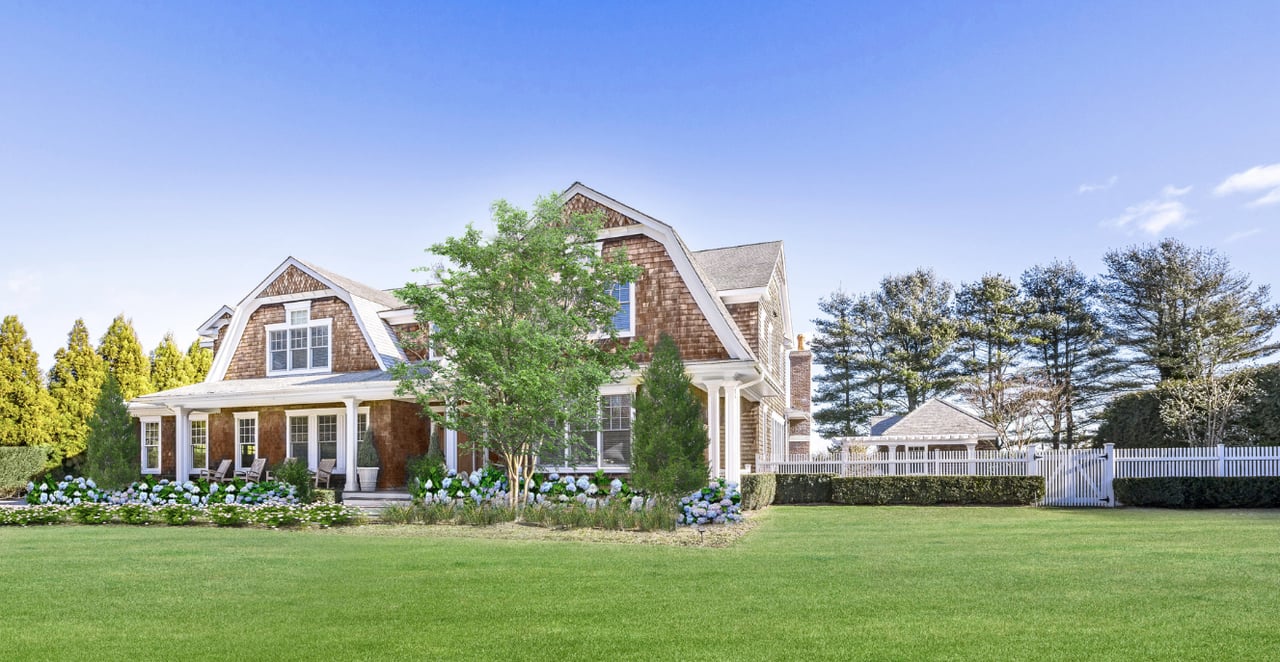
The residential code reinforces that low-profile character. Sagaponack uses R-40, R-80, and R-120 zoning districts, caps most buildings at 32 feet in height, and limits dwelling size to 12,000 square feet of gross floor area, with total roofed dwelling structures generally capped at 13,800 square feet. These standards help explain why even large properties often feel visually restrained rather than overbuilt.
Scenic Views Are Part of the Value
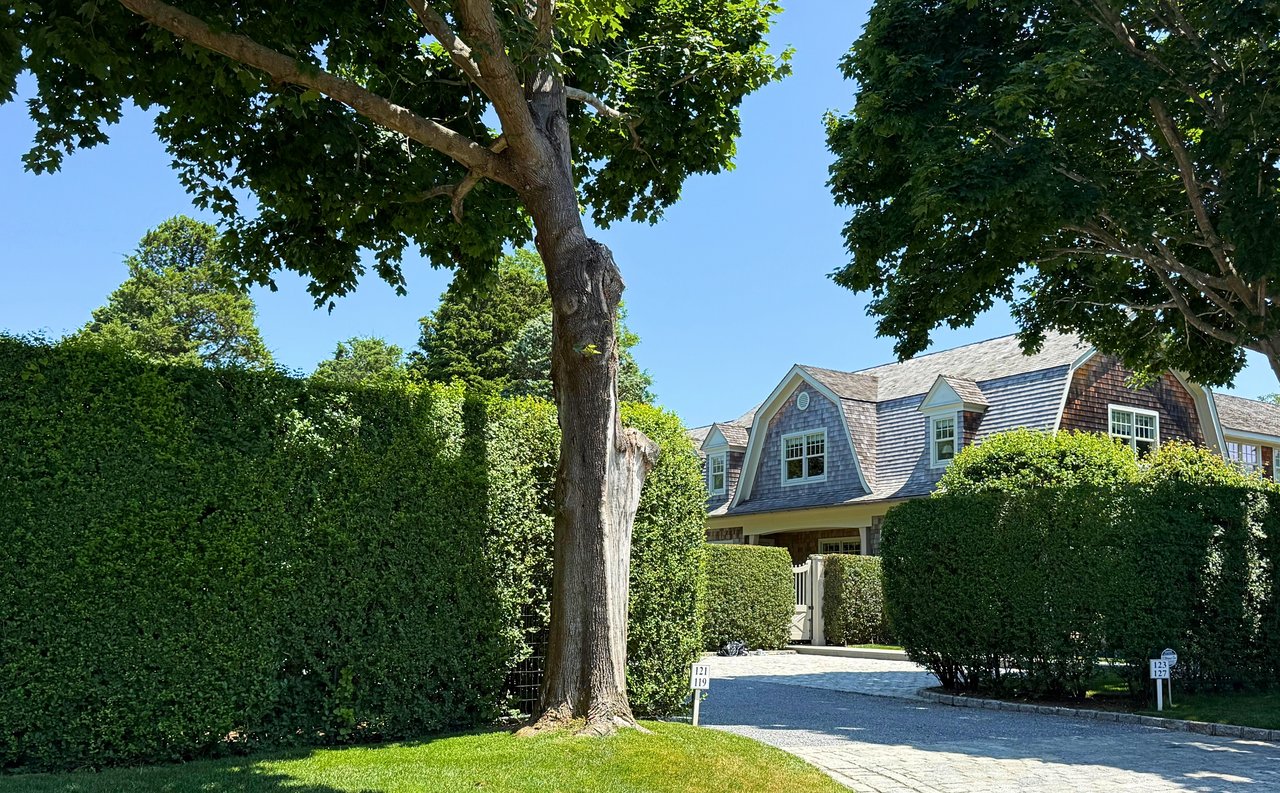
One of the most distinctive local protections involves view corridors. Sagaponack prohibits fences or hedgerows that block public views of scenic vistas, including preserved open space and farm fields. In practical terms, those broad field views you notice on arrival are not accidental. They are part of the place’s long-term planning logic.
For buyers, this can be a major part of the lifestyle appeal. It also means you should think beyond the house itself and consider what is protected, what is preserved, and what the code allows nearby.
Oceanfront Rules Stay Tight
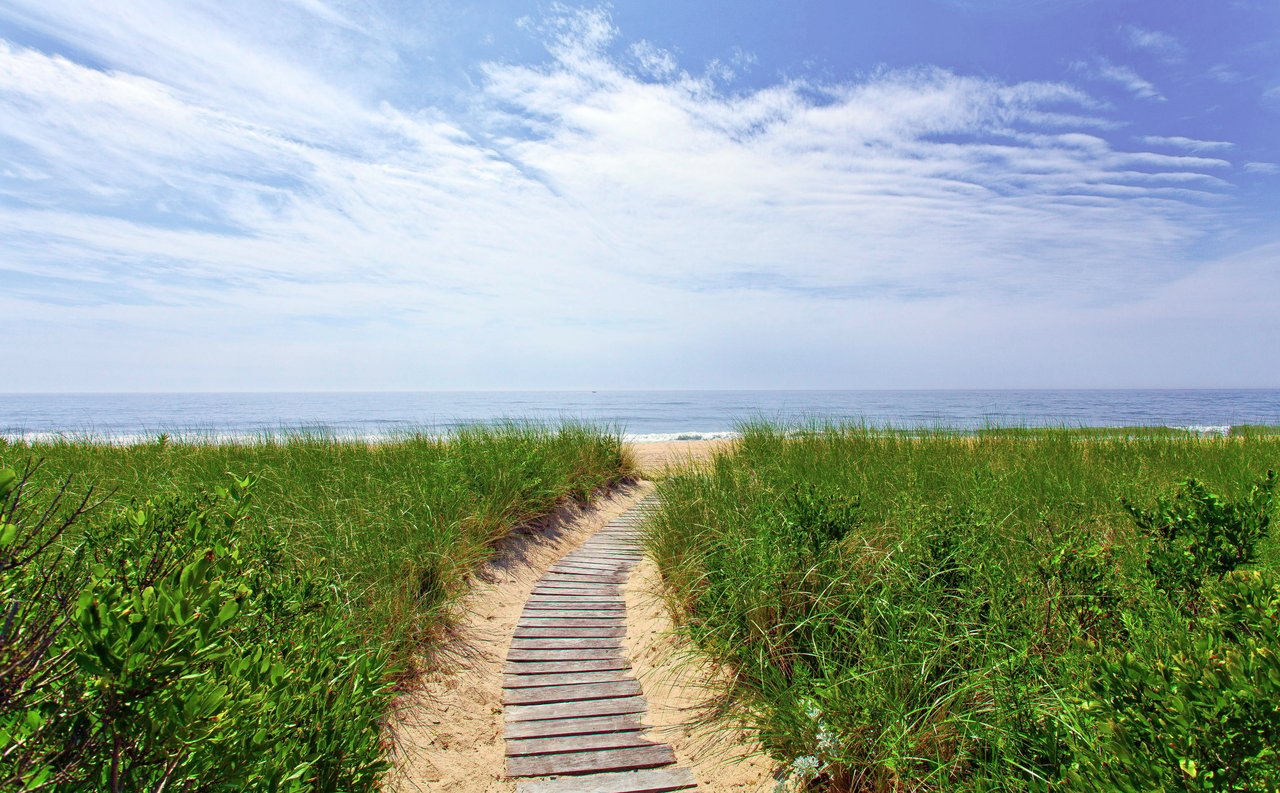
Near the ocean, regulation becomes even more specific. Sagaponack prohibits disturbing the natural crest of the ocean dune and allows only one narrow access walkway over the dune. Yard reductions for wetlands or coastal-erosion relief may be possible, but only within defined limits.
That combination creates a very particular oceanfront experience. Lots can feel open and exceptional, but they also come with meaningful site constraints that should be reviewed early in the search process.
Wainscott: Simple Access and Flexible Appeal
Wainscott offers a different version of coastal living. It is less about a tightly defined village identity and more about location, movement, and ease. For many buyers, that translates to practical access to beaches, nearby Hamptons destinations, and a more varied mix of residential settings.
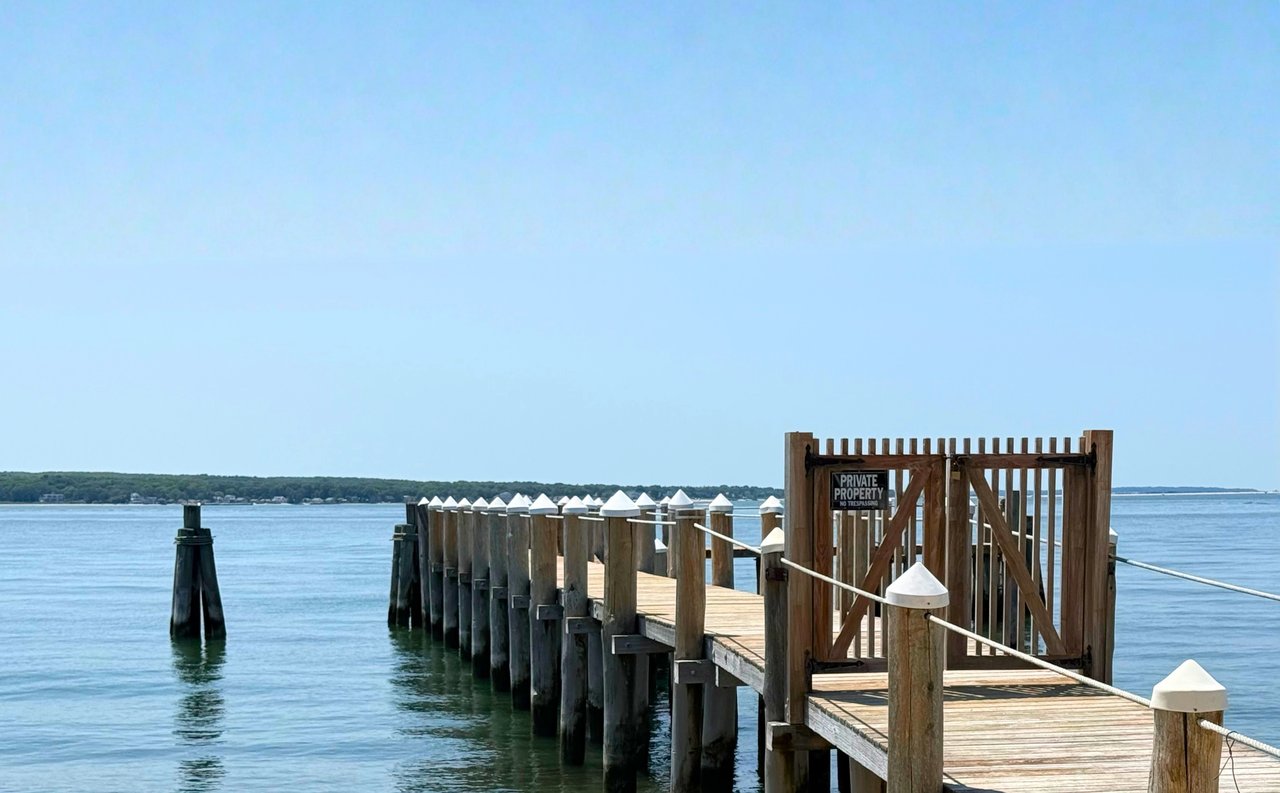
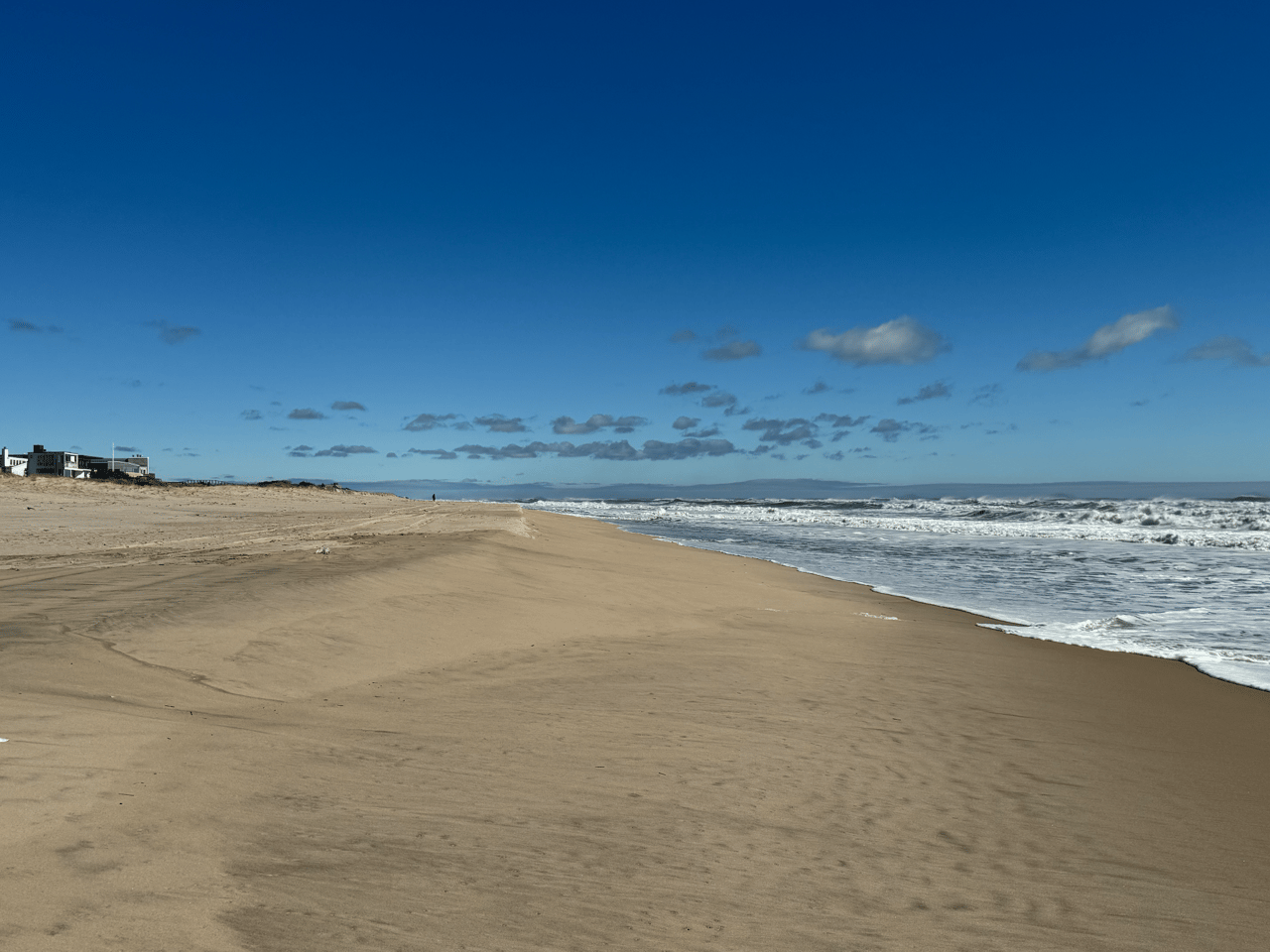
Its beach experience is also more low-key. At Beach Lane in Wainscott, vehicular access is available with a Town of East Hampton permit, but swimming is prohibited and there are no lifeguards, restrooms, concessions, or paid lot amenities. Town Line Road is similarly minimal in service profile.
That may be exactly what some buyers want. If your ideal beach use is quiet shoreline access rather than a full-service beach day, Wainscott’s simpler setup can feel appealingly straightforward.
Beach Access Is Not One-Size-Fits-All
One of the biggest mistakes buyers make in this part of the Hamptons is assuming all beach access works the same way. It does not. Beach rights, parking access, and permit rules can vary significantly by jurisdiction and even by specific road area.
In Southampton Town, Sagg Main Beach is the eastern-most and largest town beach, with more than 1,500 feet of shoreline plus lifeguards, showers, restrooms, a deck, a mobile concession, and 170 parking spaces. At the same time, Sagaponack has permit-only road areas that include Gibson Lane, Sagg Main Street, Peters Pond Lane, and part of Daniels Lane, where seasonal vehicle access is restricted to those with valid town or village permits.
Verify the Access You Actually Want
If beach access is central to your purchase, verify it with precision. Focus on questions like these:
- Is the access deeded, town-controlled, or village-regulated?
- Does parking require a specific permit?
- Is the beach staffed with lifeguards?
- Are there restrooms, showers, or concessions?
- Are there seasonal limits on driving or daytime use?
This matters because a Southampton Town beach permit is valid only for Town beaches, not village or county beaches. In Wainscott, East Hampton also applies seasonal restrictions to beach driving in certain oceanfront stretches.
Scarcity Shapes the Market
The market data shows just how limited these opportunities can be. In Q4 2025, Sagaponack recorded a median sale price of $9.5 million across 9 sales, with 6.3 months of supply. Wainscott posted a median sale price of $1.95 million on only 5 sales, with 19.2 months of supply.
The headline numbers are useful, but the sample sizes are thin, especially in Wainscott. Its median price moved from $6.28 million in Q1 2025 to $3.35 million in Q3 2025 and then to $1.95 million in Q4 2025, each time based on just 5 sales. That kind of volatility means you should treat quarter-to-quarter median changes carefully and look closely at the actual properties trading.
Sagaponack Sits Above the Broader Hamptons Market
For broader context, the Hamptons overall posted a Q4 2025 median sale price of $2.3375 million with 1,070 listings and 6.8 months of supply. Sagaponack sits far above that regional midpoint even before accounting for prime oceanfront positioning.
There is also a structural reason for that scarcity. According to village planning materials, only 16 parcels over 10 acres could still be subdivided for residential development, while preserved open space and restricted agricultural land remain central to the area’s character. In plain terms, what makes Sagaponack feel special is also part of what limits future supply.
What Buyers Should Review Early
In a market like this, the right questions can save you time and protect your upside. Before you move too far into a purchase, it helps to confirm the issues that most affect daily use and long-term value.
A Practical Due Diligence Checklist
- Confirm the exact jurisdiction governing the property and nearby beach access.
- Review local zoning for height, massing, setbacks, and allowable gross floor area.
- Check whether scenic-vista protections or dune rules affect future plans.
- Understand whether the property’s setting is adjacent to preserved land, agricultural parcels, or restricted open space.
- If rental income matters, verify seasonal rental rules before you underwrite income assumptions.
In Sagaponack, seasonal rental rules are especially important for owners who want flexibility. The village requires a seasonal rental permit for leases between May 15 and Sept. 15, the term generally cannot be shorter than 30 days, and only two two-week rentals are allowed per calendar year. If you are buying with both lifestyle use and seasonal income in mind, that framework should be part of your evaluation from day one.
Choosing the Right Fit for Your Lifestyle
If you are drawn to protected views, agricultural character, and a more regulated but deeply curated setting, Sagaponack may be the stronger fit. It offers rarity, local oversight, and a landscape where open space is not just a selling point but a governing principle.
If you prefer a more practical coastal base with understated beach access and easier movement through the central Hamptons, Wainscott may align better with how you actually live. Neither is interchangeable. Each offers a distinct version of Hamptons life, and the best choice depends on how you want to spend your time, not just where you want to own.
When you are evaluating farm-to-beach living in this part of the market, details matter. Jennifer Friedberg brings a boutique, highly personalized approach to Hamptons buying, from curated searches to thoughtful guidance on local nuances that shape value and use. To explore opportunities in Sagaponack or Wainscott, schedule a private consultation with Jennifer Friedberg.
FAQs
What Makes Sagaponack Different From Wainscott for Homebuyers?
- Sagaponack is an incorporated village in Southampton Town with its own local review boards and tightly managed zoning, while Wainscott is an East Hampton Town hamlet known more for gateway access, residential areas, and simpler beach-entry points.
What Does Farm-to-Beach Living Mean in Sagaponack and Wainscott?
- It refers to the unusual combination of preserved agricultural land, open scenic views, and close proximity to Atlantic beaches, all within a low-density coastal setting.
What Should Buyers Know About Sagaponack Zoning and Building Rules?
- Sagaponack has low-scale residential zoning, height limits, dwelling size caps, and local review processes that can affect design, expansion, and how a property sits within the landscape.
How Does Beach Access Work in Sagaponack and Wainscott?
- Beach access depends on the jurisdiction and specific location, with different rules for permits, parking, beach driving, and amenities, so buyers should verify the exact access tied to the property or road area they care about.
What Are Sagaponack Seasonal Rental Rules for Homeowners?
- In Sagaponack, seasonal rentals between May 15 and Sept. 15 require a permit, the rental term generally cannot be shorter than 30 days, and only two two-week rentals are allowed per calendar year.
Why Are Sagaponack Home Prices So High Compared With the Broader Hamptons?
- Sagaponack combines limited inventory, preserved open space, restricted agricultural land, and strong demand for rare farm-and-ocean settings, which supports pricing well above the broader Hamptons median.