If you only look at the latest sale price, Sagaponack can seem impossible to read. One quarter shows a village median of $9.5 million, while the prior quarter sits at $5.8 million. If you are buying or selling here, that kind of swing can feel dramatic, but it does not tell the full story.
What matters more in Sagaponack is scarcity, approvals, and the difference between a clean estate and a complicated one. This is a market where protected views, limited supply, and land-use rules shape value as much as square footage does. If you want a clearer way to read the Sagaponack luxury estate market, let’s dive in.
Sagaponack Market Snapshot
Sagaponack posted a median sales price of $9.5 million in Q4 2025, with 9 closed sales, 19 homes in inventory, and 6.3 months of supply. In the Douglas Elliman Hamptons report, that was the highest median among the communities listed and above the broader report’s $7.375 million luxury entry threshold.
The prior quarter looked very different on paper. In Q3 2025, Sagaponack recorded a $5.8 million median, with 5 closed sales, the same 19 homes in inventory, and 11.4 months of supply. Because the sales sample is so small, a few trophy trades can move the median sharply.
That is why inventory and months of supply are often more useful than a single quarter’s median. In a village with few transactions and few true comparables, the headline number can change fast while the underlying supply story changes much more slowly.
Why Sagaponack Behaves Differently
Sagaponack is not just expensive. It is structurally constrained in ways that make its estate market behave differently from a broader luxury market.
The village is only 4.56 square miles and has about 350 year-round residents, plus more than 1,000 part-time residents. For buyers and sellers, that small footprint means fewer parcels, fewer new opportunities, and fewer direct comparables.
Village parcel data helps explain the supply picture. Sagaponack has 942 parcels totaling 2,823.33 acres, including 138 agricultural parcels totaling 926.78 acres, 484 low-density residential parcels, 114 vacant parcels, 16 recreation/open-space parcels, and 6 surface-water parcels. Agriculture alone accounts for about one-third of the mapped acreage.
When you combine agriculture, open space, and surface waters, nearly half the mapped land base is not part of a typical residential development pipeline. That helps explain why supply can stay tight even when asking prices are ambitious.
Zoning Shapes Estate Value
In Sagaponack, zoning is not background noise. It is central to value.
The village’s residential districts include R-40, R-80, and R-120, with minimum lot sizes of 40,000, 80,000, and 120,000 square feet. Each residence lot is limited to one single-family detached dwelling, which reinforces low density and limits the pace of new inventory.
The Agricultural Overlay District adds another layer. Its purpose is to preserve productive soils and the village’s rural scenic character, and subdivisions there must preserve open space at 35%, 50%, or 65% depending on the base district.
For the luxury market, this means not every large parcel should be valued like a straightforward development opportunity. The approval path, open-space rules, and location within overlay districts all shape what a property can realistically become.
Protected Views Carry Real Weight
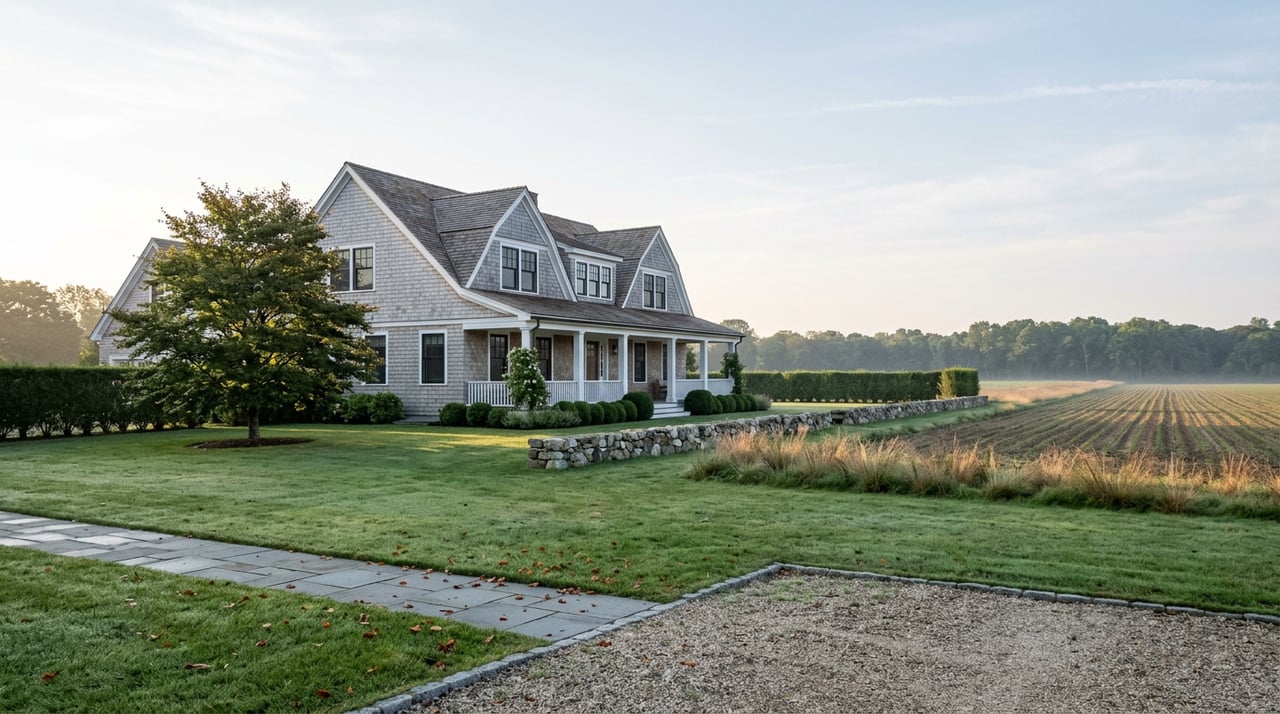
One of Sagaponack’s defining value drivers is the view itself. Farm fields, reserve edges, and long sight lines are not just attractive. They are tied to village policy and hard land constraints.
The village’s zoning framework states that tidal wetlands and the ocean beach are fundamental to scenic character and recreational potential. It also says the Agricultural Overlay District exists because open rural land use is highly valued by both residents and the resort economy.
That matters because preserved scenery is part of what buyers are paying for. In many markets, views can change over time. In Sagaponack, the policy framework often helps protect them, which can support a premium for the right estate.
The village’s 2022 stormwater management plan adds an important data point. It states that more than 575 acres, or about 20% of the village, had been permanently removed from possible residential development, and that only 16 parcels over 10 acres remained subdividable.
That is a powerful explanation for why certain properties feel irreplaceable. If a home sits beside preserved farmland, reserve land, or a protected corridor, the scarcity is not just emotional. It is measurable.
Why Design Pedigree Matters Here
In Sagaponack, architecture and exterior character can influence value beyond simple size or finish level. That is partly because the village actively manages certain aspects of visual character.
The Architectural & Historic Review Board materials include a Sagaponack Historic District, a historic district map, an inventory of historic structures outside the district, and a gate style guide. In practical terms, that means some homes are trading in a setting where exterior changes and design decisions are subject to additional review.
For buyers, that can make a well-resolved property more valuable because much of the design work has already been navigated. For sellers, it can help explain why architecturally significant homes or carefully executed renovations may deserve stronger pricing support than a simple square-foot comparison suggests.
Oceanfront Value Comes With Complexity
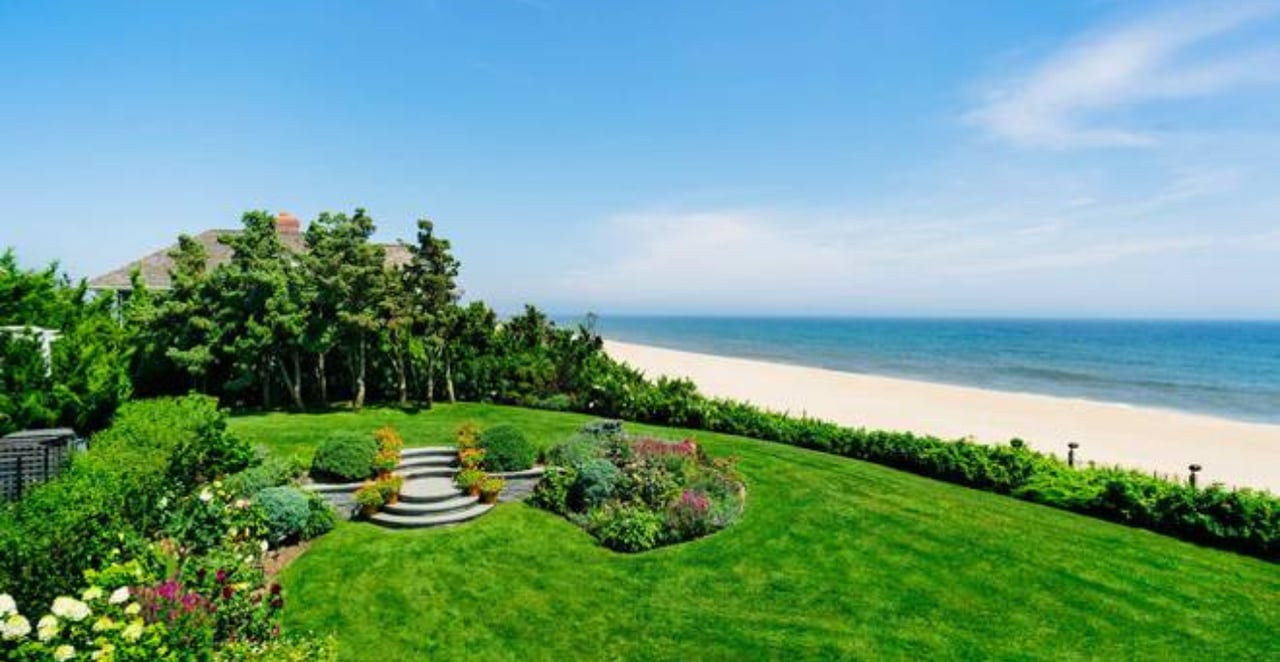
Oceanfront and dune-adjacent properties are among the most coveted in Sagaponack, but they also tend to carry more due diligence. Here, premium location and regulatory friction often arrive together.
The code requires new and replacement buildings on ocean beach frontage to be set back from dune crests. It also restricts disturbance of the natural dune crest except under approved protection policies.
There are also tidal floodplain and coastal erosion overlays, along with an Open Space Conservation and Park District. So when you evaluate an oceanfront or shoreline parcel, you are not only buying a view. You are also inheriting a permitting path that may affect design, timing, and cost.
How Buyers Should Read the Numbers
If you are a buyer, Sagaponack is best viewed as an asset-by-asset market. The village-level median gives context, but it will not tell you whether a specific property is well positioned, overreaching, or worth pursuing aggressively.
The broader Hamptons Q4 2025 market posted 127 days on market, a 9.4% listing discount, and 6.8 months of supply. In the top 10% luxury segment, the median was $11.4 million, with 154 days on market, an 11.0% listing discount, and 16.4 months of supply.
That luxury context matters because many Sagaponack sales already live in this upper tier. It suggests that negotiating room may be more likely on stale, dated, or entitlement-heavy listings than on rare, turnkey estates with protected views and a cleaner approval profile.
A smart buyer usually focuses on a few questions first:
- How replaceable is this setting?
- Are the views likely to remain protected?
- Is the house turnkey, dated, or design-constrained?
- Are there floodplain, dune, or historic-review issues to solve?
- Does the asking price reflect a true comparable set or an aspirational one?
In Sagaponack, those questions often matter more than a broad market headline.
How Sellers Should Position a Property
If you are selling, the strongest pricing defense usually comes from clarity. Buyers at this level tend to pay more confidently when they understand what makes an estate difficult to replicate.
That could mean farm or reserve adjacency, long sight lines, a well-executed architectural program, or a smoother approval history. In a village with a small sales sample and limited land base, these details can separate one estate from another in a meaningful way.
This is also where disciplined marketing matters. A Sagaponack estate is rarely just a house. It is a combination of land, views, design, and regulatory context, and the presentation needs to tell that story with precision.
Why Local Guidance Matters
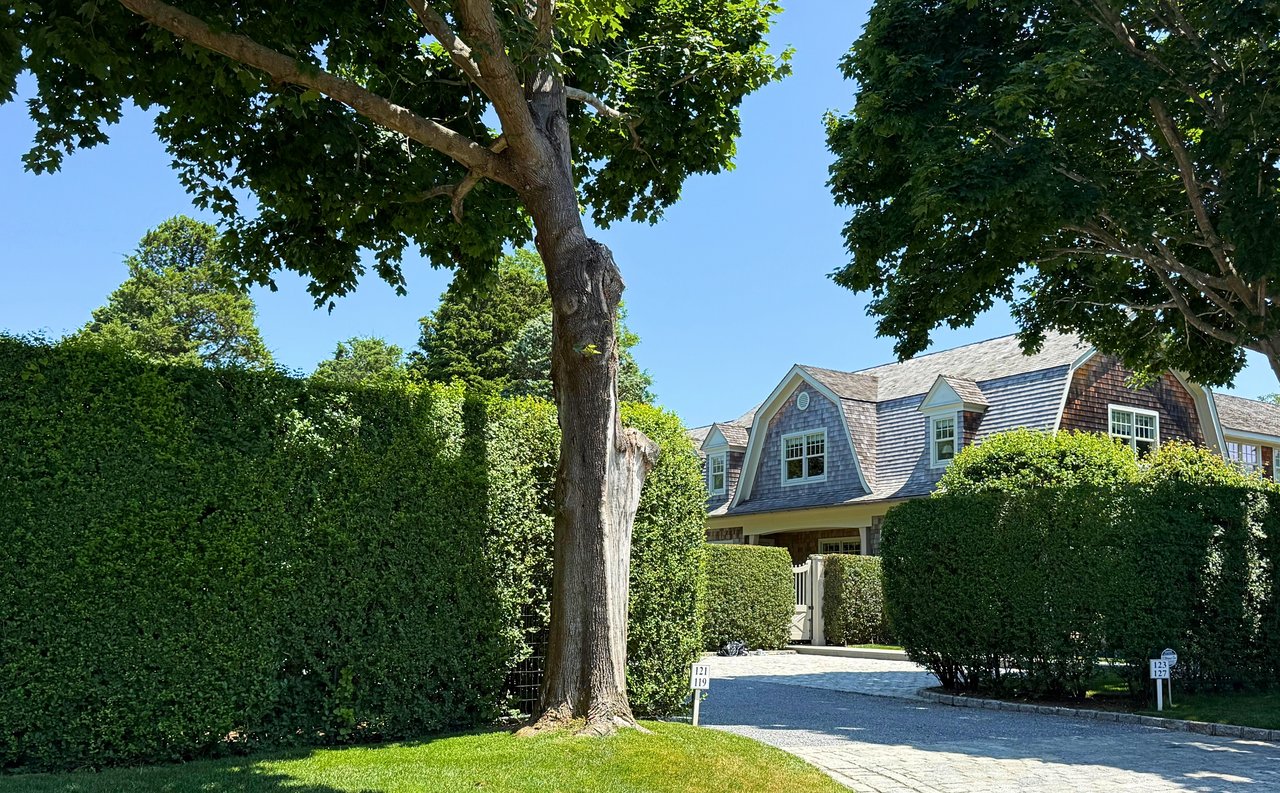
Sagaponack rewards nuance. Two homes with similar asking prices can carry very different risk, timing, and long-term value depending on what sits beyond the hedges and what sits inside the file.
That is why local market reading matters so much here. The real work is identifying true comparables, understanding whether a premium is supported by scarcity, and spotting where a negotiation should focus on price versus where it should focus on approvals, timing, or terms.
The broader Hamptons market in Q1 2026 reinforces the same high-end backdrop. Median and average sales prices hit record highs, inventory declined annually for the second time in three quarters, sales remained below the first-quarter decade average, and 21.2% of sales were above $5 million. The report also notes that the market is being driven by high-end buyers rather than speculation.
In other words, Sagaponack is not best understood as a momentum market. It is better understood as a selective, scarcity-driven estate market where quality, setting, and approval path shape outcomes.
If you are thinking about buying, selling, or quietly exploring off-market opportunities in Sagaponack, working with a broker who can read both the narrative and the fine print can make all the difference. To start a private conversation, connect with Jennifer Friedberg.
FAQs
What Does the Latest Sagaponack Market Data Show?
- In Q4 2025, Sagaponack recorded a $9.5 million median sales price, 9 closed sales, 19 homes in inventory, and 6.3 months of supply.
Why Can Sagaponack Median Prices Swing So Much?
- The village has a very small number of quarterly sales, so a few high-priced estate closings can move the median sharply from one quarter to the next.
Why Is Sagaponack Inventory So Limited?
- The village is small, low-density, and shaped by agricultural land, open space, surface waters, and zoning rules that limit development and subdivision potential.
Why Do Sagaponack Views Command a Premium?
- Farm, reserve, wetland, and ocean view corridors are tied to preserved land and village land-use policy, which makes many of those settings difficult to replace.
What Should Sagaponack Buyers Look at Besides Price?
- Buyers should study inventory, months of supply, view quality, zoning constraints, and whether a property faces dune, floodplain, coastal erosion, or historic-review considerations.
Why Can Oceanfront Sagaponack Properties Be Harder to Evaluate?
- Oceanfront parcels may involve additional setback, dune protection, floodplain, and coastal review issues that can affect design options, timing, and overall project complexity.