What makes one Water Mill property feel truly irreplaceable while another simply feels beautiful? In this market, the answer often comes down to setting. If you are weighing waterfront against farm views, you are really weighing different kinds of scarcity, privacy, upkeep, and long-term durability. Understanding that difference can help you assign value more clearly and buy or sell with more confidence. Let’s dive in.
Why Setting Drives Value in Water Mill
Water Mill is not one uniform market. Southampton Town describes the hamlet as bordered by Noyac, Bridgehampton, Mecox Bay, the Atlantic Ocean, the Village of Southampton, and North Sea, and notes that it is primarily agricultural and residential.
That matters because buyers are not just comparing square footage or finishes here. They are comparing highly specific settings, from direct ocean frontage to bay access to pond edge to protected pastoral outlooks. In a place with distinct micro-settings, the type of view often matters as much as the house itself.
Southampton Town also says Water Mill has the most designated agricultural land of any hamlet in the town. Its preservation policies connect historic character to farmland preservation, open-space acquisition, and scenic landscape protection. That gives farm and open-land views a different kind of value than many buyers first assume.
The Real Question: What Kind of Scarce Asset?
When you look at a Water Mill property, it helps to ask a simple question: what exactly is scarce here? A water view and a farm view can both be compelling, but they are not scarce in the same way.
Some properties offer direct shoreline access. Others offer marine access on the bay, a quieter pond-edge experience, or a broad rural outlook that may be protected by preservation efforts. The more difficult the setting is to replicate, the more likely it is to hold a premium in a supply-constrained luxury market.
Recent Hamptons market reporting supports that broader backdrop. Miller Samuel reported in 1Q 2026 that the market continued moving higher end, listing inventory declined for the second time in three quarters, and the share of high-end sales reached a record. In a tighter market, distinctive settings tend to stand out even more.
Oceanfront Value: Maximum Immediacy, Maximum Diligence
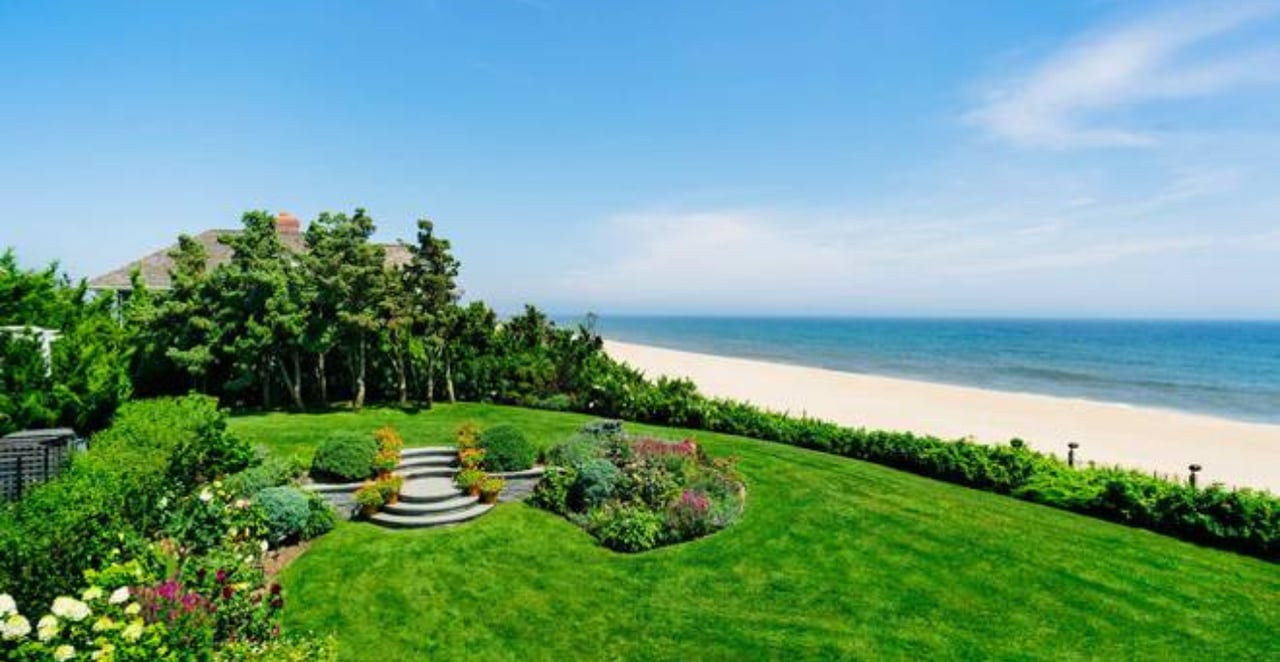
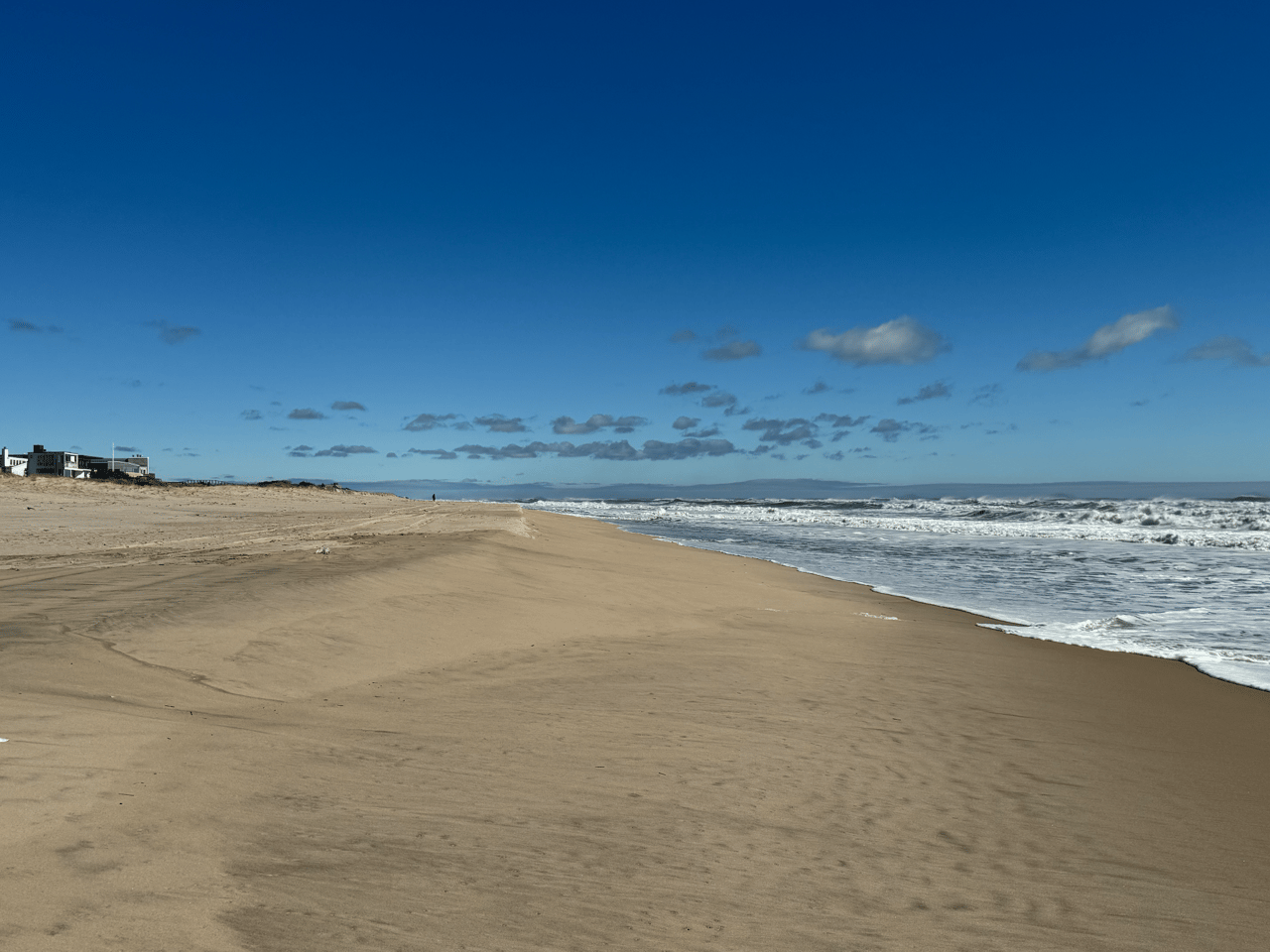
Oceanfront property usually delivers the most immediate version of beach living. The draw is obvious: direct proximity to the Atlantic, open views, and a setting that feels hard to match anywhere else.
That said, oceanfront value is not just about beauty. It also comes with the deepest due diligence stack. FEMA’s Flood Map Service Center is the official source for flood maps, and it notes that flood insurance may still be needed even when risk appears low.
In Southampton, wetlands oversight also matters. The Town’s Environment Division implements wetlands protection and issues wetlands permits. If you are pricing oceanfront value, you should pair the lifestyle premium with a clear review of flood exposure, insurance needs, and any rules affecting shoreline work.
Bayfront Value: Access and Usability
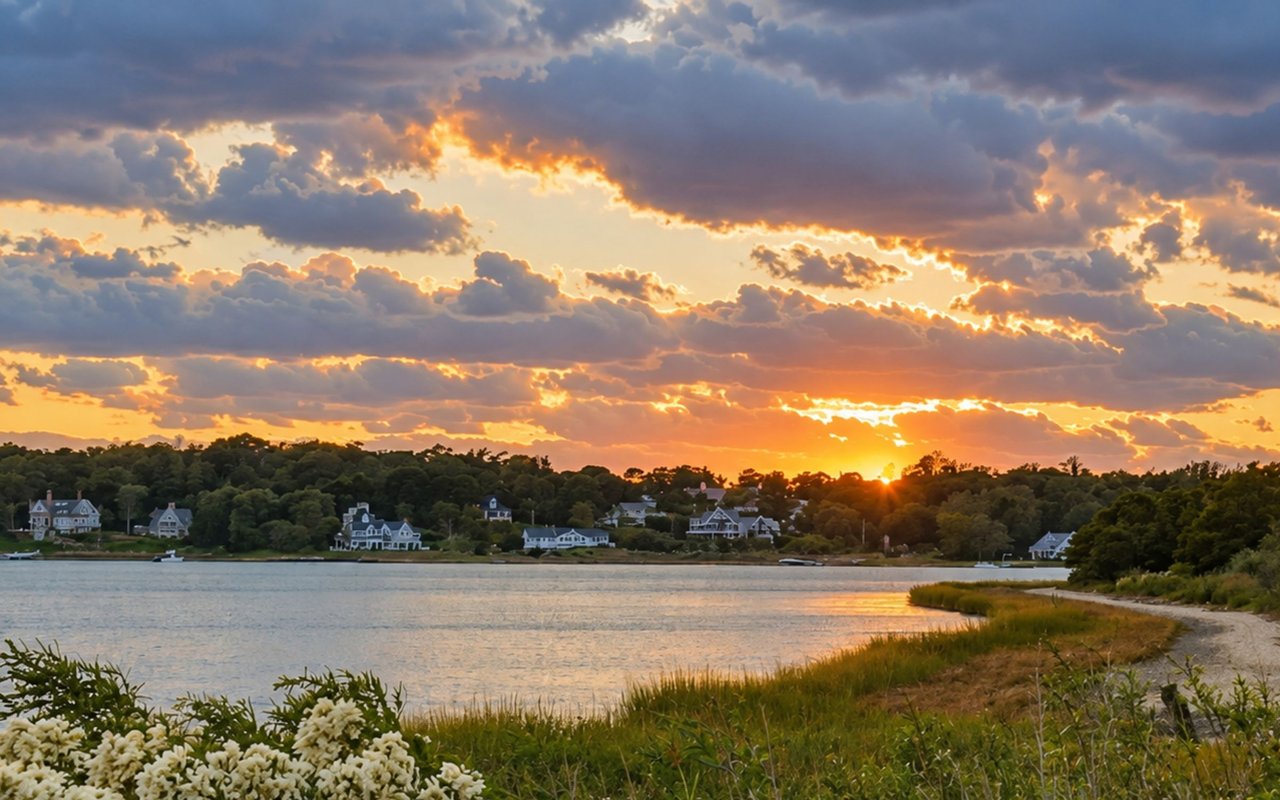
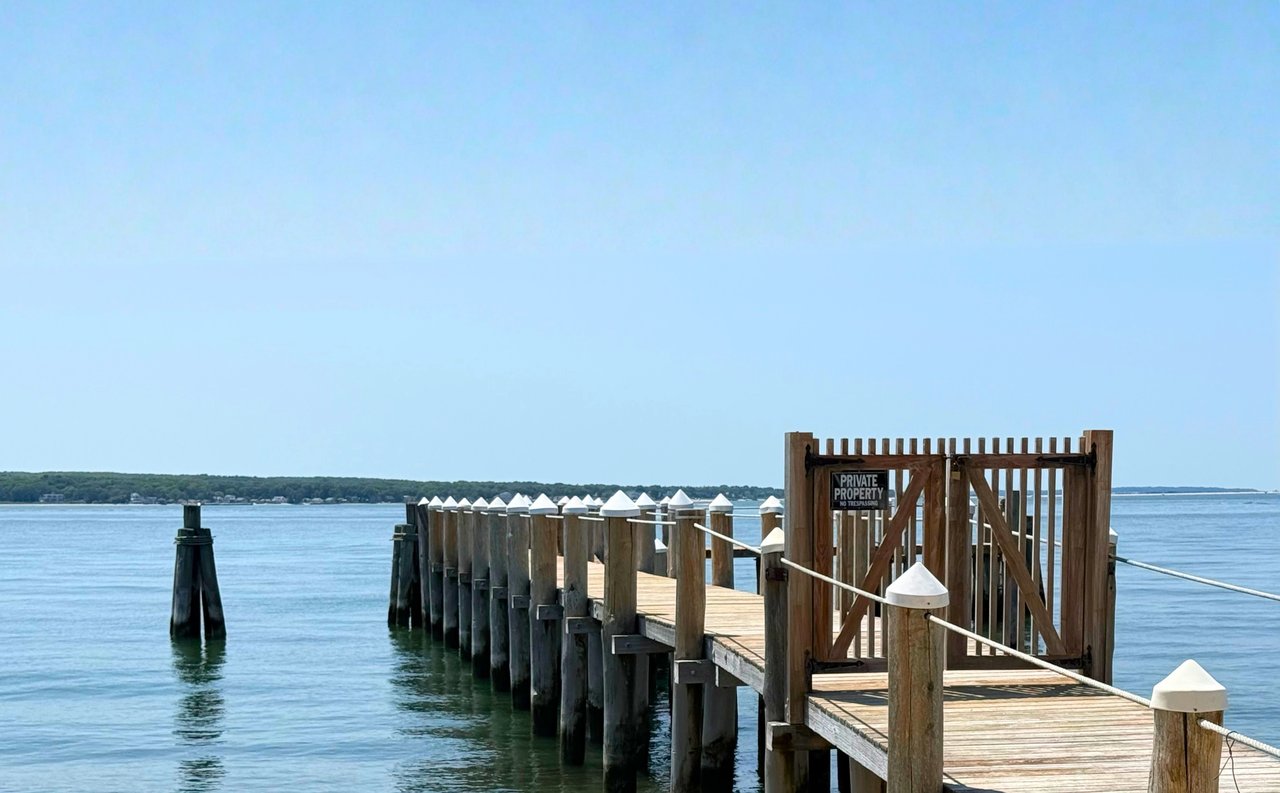
Bayfront often offers a different kind of appeal. Instead of paying mainly for an ocean horizon, you may be paying for shoreline usability, marine access, and a more functional relationship with the water.
For many buyers, that distinction is important. A bayfront property may support boating and day-to-day enjoyment of the water in ways that feel more hands-on, subject to approvals and site specifics.
In Southampton, the Town Trustees regulate dock and bulkhead construction and inspect structures built on the bay bottom. They are also charged with preserving public access to the water. That means bayfront value should always be evaluated alongside what is actually permitted at the property edge.
Pond-Front Value: Privacy With Extra Questions
Pond-front homes can feel especially quiet and secluded. For some buyers, that softer, more tucked-away setting is exactly the point.
Still, pond value depends on more than the view alone. The condition of the waterbody, ongoing restoration work, and ecological stability all matter to how that setting performs over time.
Southampton’s Water Mill fish-passage materials state that Mill Pond is recognized by the New York State Department of Environmental Conservation as an impaired waterbody and note harmful algae blooms in recent years. The town’s project is intended to improve connectivity and water quality. If you are assigning a premium to a pond view, it is worth looking closely at water clarity, ecology, and whether the setting is part of an active restoration effort.
Farm-View Value: The Water Mill Original
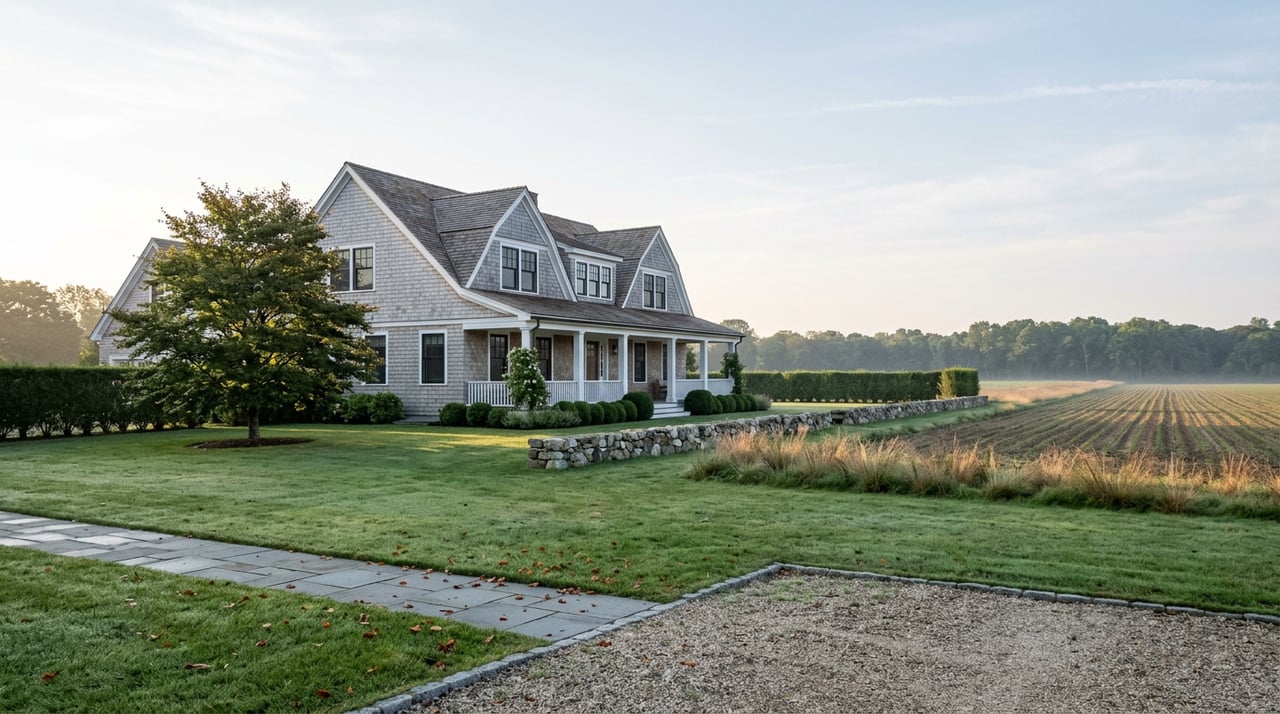
Farm-field adjacency is one of the most Water Mill-specific settings you can buy. In many ways, it is part of the hamlet’s identity.
Southampton Town says Water Mill’s residential character is shaped by large lots, dense vegetation, and rural roads. It also notes that the hamlet contains the town’s largest amount of designated agricultural land. That combination helps explain why a protected field view can feel so enduring here.
The key is durability. A farm view can be highly valuable if the neighboring land is preserved or otherwise likely to remain open. If it is not protected, the same view may depend more on market luck than policy support.
Why Preserved Open Space Matters
One reason farm views can command real attention in Water Mill is that preservation is not just a talking point. Southampton says its Community Preservation Fund has protected more than 5,000 acres townwide and can purchase land or development rights on a voluntary basis.
That matters because open space in Water Mill may be more durable than it appears at first glance. Preservation efforts can help protect scenic landscapes, rural character, and view corridors that shape the experience of ownership.
Southampton also dedicates up to 20 percent of Community Preservation Fund revenue to water-quality improvement projects. That tells you something important about this market: both open land and waterfront settings are treated as long-term stewardship assets, not just amenities.
How to Think About Premiums
In Water Mill, the strongest value cases usually happen when three things line up: lifestyle appeal, privacy, and long-term scarcity. That is true whether you are looking at a waterfront estate or a home overlooking open farmland.
A direct water setting may feel rarer because it is visibly limited. A preserved farm outlook may be just as compelling for a buyer who values quiet, light, distance, and a sense of rural continuity. The premium depends on what is protected, what is usable, and what is likely to remain intact over time.
This is also a market where a small number of standout properties can influence buyer perception. In the Q3 2025 Elliman report, Water Mill recorded 19 closed sales, 108 listings, and 17.1 months of supply. In a thinly traded luxury market, truly distinctive parcels often carry outsized weight.
Questions to Ask Before Paying More
If you are trying to decide whether a premium is justified, ask practical questions before you focus on emotion alone.
- Has the property been checked in FEMA’s Flood Map Service Center?
- Is flood insurance likely to be needed?
- Will any dock, bulkhead, shoreline work, or bay-bottom structure require approval?
- Is the pond, creek, or adjacent waterbody part of an active restoration effort?
- Is the neighboring farm field preserved by easement or otherwise likely to remain open?
- How much of the current view is protected by policy, and how much depends on future uncertainty?
These questions do not remove the emotional side of a purchase. They simply help you separate a beautiful setting from a durable one.
Buying With a Long View
If you are deciding between waterfront and farm views in Water Mill, the best answer is rarely universal. It depends on how you live, what kind of privacy you want, how much diligence you are prepared to do, and what type of scarcity you believe will matter most over time.
For some buyers, nothing replaces direct water. For others, the true luxury is a quiet, protected pastoral view with room to breathe and a strong sense of place. In Water Mill, both can be valuable, but the smartest decisions come from understanding exactly what you are buying beyond the view itself.
If you want help evaluating a specific property, comparing settings, or understanding how a Water Mill home may be positioned in today’s market, Jennifer Friedberg offers the kind of local, high-touch guidance that helps you look past the obvious and focus on lasting value.
FAQs
What Affects Waterfront Property Value in Water Mill?
- Waterfront value in Water Mill is often shaped by scarcity, access, privacy, flood-map review, insurance needs, wetlands considerations, and any approvals required for shoreline improvements.
How Should You Evaluate a Farm View in Water Mill?
- You should ask whether the adjacent land is preserved, protected by development rights, actively farmed, or vulnerable to future change, because that affects how durable the view corridor may be.
What Is the Difference Between Oceanfront and Bayfront Value in Water Mill?
- Oceanfront typically emphasizes direct beach experience and open-water exposure, while bayfront often draws value from shoreline usability, marine access, privacy, and the practical use of the water’s edge.
Are Pond-Front Homes in Water Mill Worth a Premium?
- Pond-front homes can merit a premium for privacy and seclusion, but you should also evaluate water quality, ecology, and whether the waterbody is part of any restoration or impairment concerns.
Why Does Preserved Land Matter When Buying in Water Mill?
- Preserved land matters because Southampton’s preservation framework can help protect scenic landscapes, open space, and farmland, which may make certain rural views more durable over time.
Is Water Mill a Uniform Real Estate Market?
- No, Water Mill functions more like a collection of micro-settings, so value can vary significantly depending on whether a property offers ocean frontage, bay access, pond edge, or protected agricultural views.