If you are searching for a waterfront home in North Haven, the view alone should not make the decision for you. In this village, two homes can both sit on the water and offer very different experiences when it comes to boating, privacy, permitting, shoreline conditions, and day-to-day access. The right address is usually the one that fits how you actually want to live, not just how the listing looks at first glance. Let’s dive in.
Why North Haven Waterfront Feels So Different
North Haven is a peninsula in the Town of Southampton, and the village describes it as essentially surrounded by water. Noyac Bay sits to the west, Shelter Island Sound borders the north and east, and Sag Harbor Cove lies to the south. Access also varies, with connections from Sag Harbor by bridge, from Noyac by causeway, and from the north by ferry.
That geography matters because not every waterfront setting in North Haven behaves the same way. Some addresses feel tucked away and sheltered, while others feel more open to wind, waves, and changing conditions. If you are choosing between streets, it helps to compare waterfront exposure, shoreline type, and access, rather than relying on the word “waterfront” alone.
Start With Waterfront Exposure
One of the most useful ways to evaluate a North Haven waterfront property is to look at its exposure. According to the village shoreline plan, the southern shoreline along Sag Harbor Cove has a more protective location with limited fetch, while the northwestern shoreline experiences a higher wave climate.
In practical terms, that means cove-side properties may feel calmer and more sheltered. Homes facing more open bay or sound conditions can offer a broader water experience, but they may also feel more exposed. This is not a guarantee for any individual parcel, but it is a smart framework when comparing addresses.
Sheltered Cove Settings
If you picture easy mornings by the water, softer conditions, and a more protected shoreline feel, the southern side of North Haven may appeal to you. Sag Harbor Cove settings can be attractive for buyers who care about calm surroundings and convenient access to nearby village amenities.
This kind of address can be especially appealing if your waterfront goals are more about atmosphere, outlook, and proximity than maximum exposure to open water. It is often a lifestyle choice as much as a boating choice.
Open Water Settings
On more exposed shorelines, the experience can feel different. You may get a wider sense of water, more breeze, and a stronger connection to the bay or sound, but that can come with more wave action and a different maintenance conversation.
For some buyers, that openness is exactly the appeal. For others, it may raise questions about comfort, shoreline stability, and how the property performs in different weather conditions.
Shoreline Type Matters More Than Many Buyers Expect
North Haven’s shoreline code classifies waterfront areas as high bluff, medium or low bluff, and marsh or beach shoreline. That distinction matters because each setting can bring a different mix of access, maintenance, and long-term planning.
A bluff-top property may offer dramatic outlooks and privacy, but water access may be less direct and shoreline work can be a serious consideration. A lower-lying beach or marsh-edge lot may offer a different relationship to the water, with different site and permitting questions. Two waterfront homes can look equally desirable online and still function very differently once you start asking detailed questions.
Bluff Waterfront
Bluff properties often stand out for their elevated setting and broad views. They can feel private and visually striking, but you will want to understand how access to the shoreline works and whether any erosion-related issues affect the parcel.
If you are considering improvements or shoreline work, the classification becomes even more important. This is where surveys, permits, and site review can shape what is realistic.
Marsh and Beach Edge Waterfront
Marsh-edge and beach shoreline can offer a beautiful, close-to-the-water experience. They can also involve additional review related to wetlands, flood zones, and site planning.
If a property sits near marshland or low-lying coastal areas, you will want a clear picture of the physical footprint of the lot, not just the visual appeal. In North Haven, that level of diligence is standard and worthwhile.
Think Carefully About Boating Access
For many waterfront buyers, boating is part of the dream. In North Haven, it is important to understand that mooring access and dock access are not the same thing.
Residents can apply for a limited number of moorings on the North Haven side of the harbor between North Haven and Sag Harbor. Waterfront residents may also place a mooring seaward of their property with a permit. That means mooring can be a real option, but availability is limited and should never be assumed.
Docks Have Specific Rules
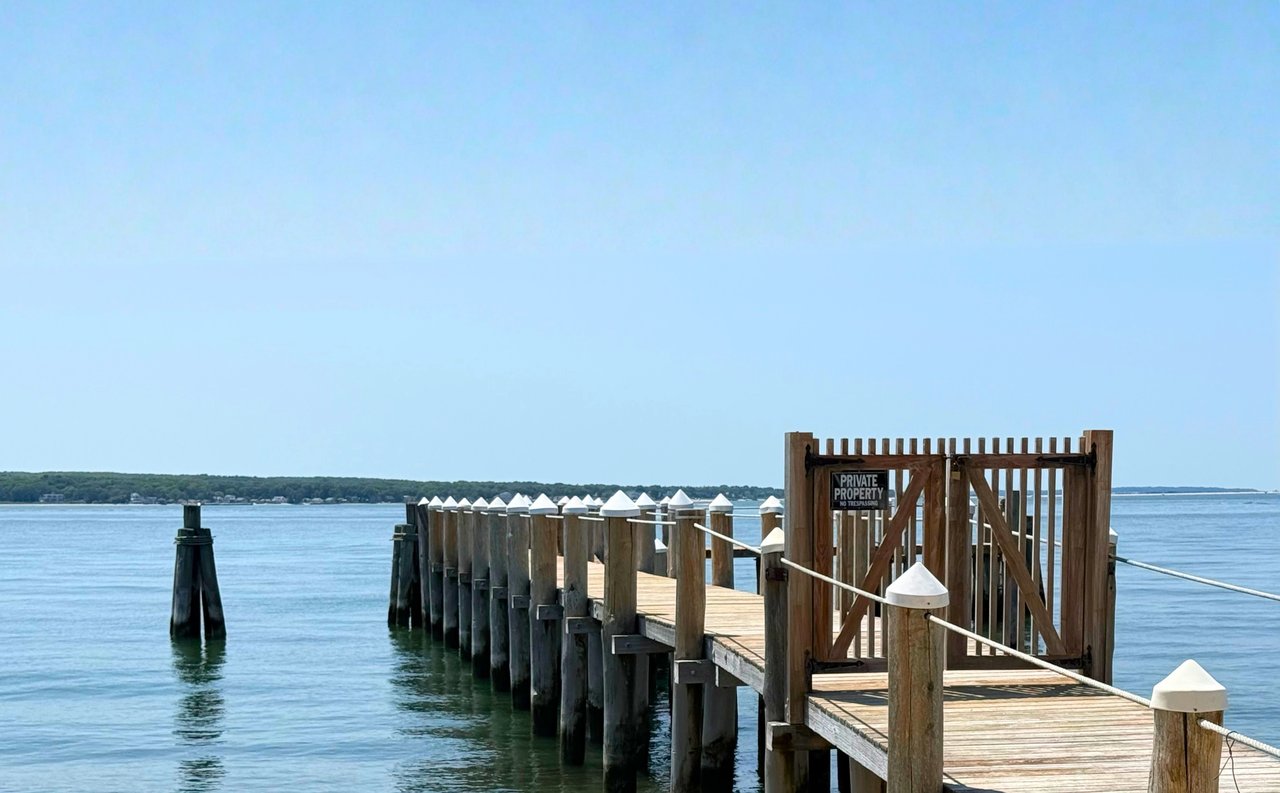
North Haven’s dock code is detailed, and buyers should know that early. Any dock or catwalk work within 1,500 feet of the village shoreline requires a special use permit from the Board of Trustees, followed by a nonrenewable building permit.
The code also sets minimum depth and setback standards, and new docks cannot extend more than 100 feet from mean low water. Boat lifts, vessel lifts, vessel hoists, and boat hoists are prohibited. Docks also generally may not be lit unless another authority requires it or the lighting is approved for public safety.
Permitting Can Take Time
Dock applications in North Haven require public hearing notice and notice to abutters. If you are buying with plans to modify or add waterfront structures, that is a meaningful part of your timeline.
This does not mean a project cannot happen. It means you should treat permitting as a serious due diligence item, not an after-closing assumption.
Privacy, Roads, and Daily Access
North Haven is mostly residential, and the village notes that many neighborhoods are private homeowner associations. That can shape the ownership experience in ways buyers sometimes overlook.
If a property is on a private road, maintenance is typically handled by the HOA or residents rather than the village. Public roads are village-maintained, except for Ferry Road and Short Beach Road. Before choosing an address, it is worth understanding what that means for road upkeep, snow removal, and neighborhood governance.
Seclusion Versus Convenience
North Haven also continues to preserve substantial undeveloped land. That helps explain why some addresses feel notably private, even when they remain close to Sag Harbor.
For many buyers, that balance is the appeal. You can find a property that feels quiet and removed, while still having practical access to the village by bridge. If your ideal Hamptons lifestyle includes both privacy and easy village access, this is one of the most important tradeoffs to evaluate street by street.
What to Review Before You Commit
A North Haven waterfront purchase should begin with documentation, not assumptions. The first item to request is a current survey and site-plan package.
The village site plan checklist calls for details that include mean high water and mean low water lines, adjacent streets, easements, covenants, existing structures such as docks and bulkheads, wetlands, bluff crest, FEMA flood zone boundaries, finished floor elevations if the property is in a flood zone, existing cleared area, lot coverage, test-hole data, and proposed sanitary information. That list tells you a lot about how carefully waterfront land needs to be understood here.
Check Waterfront Review Requirements
The village’s Shoreline Management Law requires permits for regulated activities on waterfront properties bounded by coastal waters before work begins. In addition, the Planning Board says site plan review is required for proposed construction of a single-family residence or accessory structure on waterfront land or within 200 feet of wetlands.
Properties within 200 feet of wetlands are also subject to site plan review under the village FAQ guidance. If you are thinking about building, expanding, or changing waterfront improvements, these rules are central to your planning.
Review State, County, and HOA Layers
The village building permit checklist also notes that DEC approval may be required for parcels affected by wetlands. Suffolk County Department of Health approval is required for septic-related work, and HOA approval may also be required when governing documents call for it.
That means a waterfront project can involve more than one layer of review. A buyer who understands this upfront is in a much better position to judge timelines, costs, and feasibility.
Screen for Coastal Erosion and Flood Risk
North Haven buyers should also check New York State DEC Coastal Erosion Hazard Area maps. If a parcel falls within a mapped CEHA area, regulated activity requires a permit.
Flood risk should also be reviewed parcel by parcel. You should confirm the current flood zone, the insurance implications, and whether elevation details or map issues could affect future carrying costs.
Don’t Overlook Septic Systems
Wastewater is another important part of the picture. North Haven now requires Innovative/Alternative septic systems on new construction and certain renovations or additions, and the village has an active focus on water quality in local creeks and bays.
For older waterfront homes, septic age, capacity, and likely upgrade timing should be part of your evaluation. This can affect both planning and ownership costs.
Questions to Ask at a North Haven Waterfront Showing
When you tour a property, try to move beyond broad impressions and into practical specifics. These questions can help:
- What shoreline classification applies here: high bluff, medium or low bluff, or marsh or beach?
- Is there a legal dock or mooring, and are permits current?
- Is there enough depth at mean low water for the type of boat you actually plan to use?
- Has prior dock, bulkhead, revetment, or beach-stair work received village, state, and county approvals?
- Is the road public or private, and what does the HOA maintain if one exists?
- Is the site likely to feel sheltered or exposed under different wind conditions?
- Is the property within 200 feet of wetlands or subject to site plan review?
- What do the flood zone and septic details suggest about future carrying costs?
The Best Address Matches Your Use Case
In North Haven, the best waterfront address is rarely just the one with the prettiest photo or the widest view. It is the one whose shoreline type, boating setup, privacy profile, and access pattern align with how you plan to use the property.
If you want calm water and easy Sag Harbor access, one part of the village may feel right. If you want a broader open-water experience, another may stand out. The key is to choose with clarity, using the physical and regulatory realities of the parcel as carefully as the lifestyle appeal.
When you are ready to evaluate North Haven waterfront with a sharper lens, working with a local advisor can help you compare not just listings, but the real differences from one address to the next. To schedule a private consultation, connect with Jennifer Friedberg.
FAQs
What makes one North Haven waterfront address different from another?
- Differences often come down to shoreline exposure, bluff or marsh conditions, boating access, privacy, road type, and access to Sag Harbor, not just the view.
What should you know about North Haven docks and moorings?
- Moorings are limited and require permits, and they are not the same as having a dock. Dock work is subject to specific village rules, permits, and review.
Why does shoreline type matter for a North Haven waterfront home?
- North Haven classifies shoreline areas as high bluff, medium or low bluff, and marsh or beach, and each type can affect access, maintenance, and future improvement planning.
What permits may affect a North Haven waterfront purchase?
- Depending on the parcel and your plans, you may need village shoreline or dock approvals, Planning Board site plan review, DEC review for wetlands or coastal erosion areas, Suffolk County Department of Health approval for septic work, and possible HOA approval.
What documents should you request for a North Haven waterfront property?
- Start with a current survey and site-plan package so you can review water lines, wetlands, easements, structures, flood zone details, lot coverage, and sanitary information.
How important is flood and septic due diligence for North Haven waterfront buyers?
- It is very important. Flood zone status can affect insurance and carrying costs, and septic age or upgrade requirements can shape both budget and renovation plans.