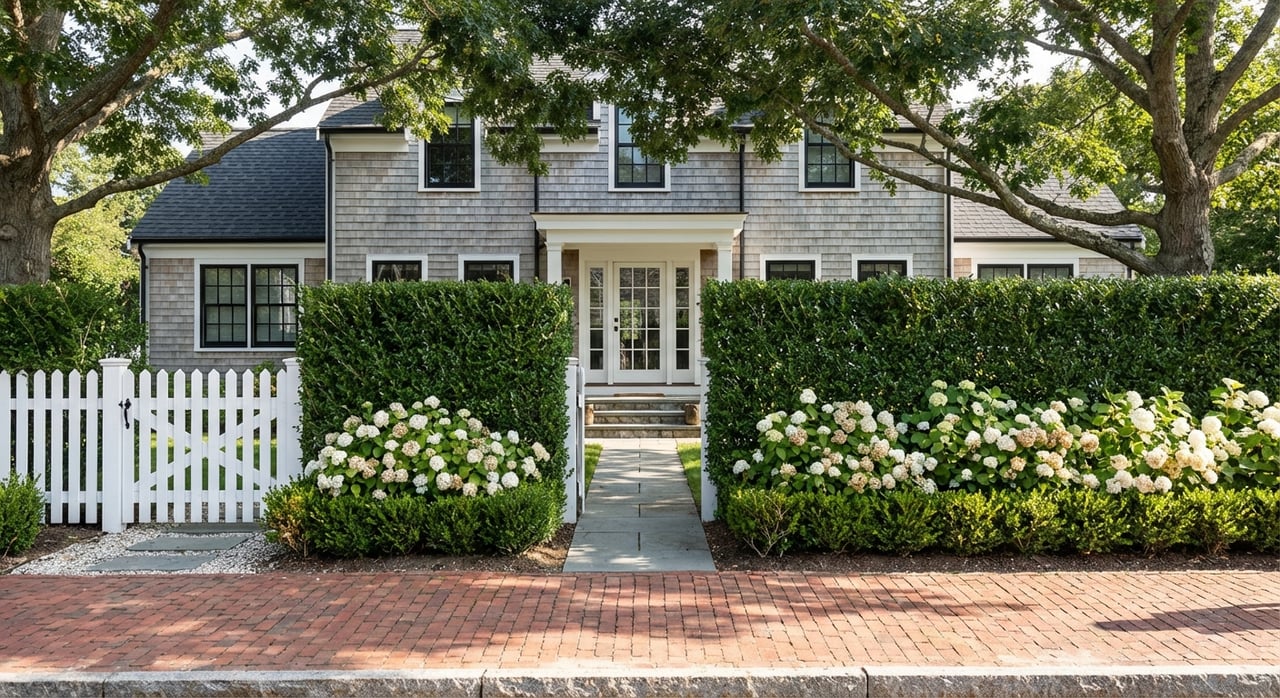
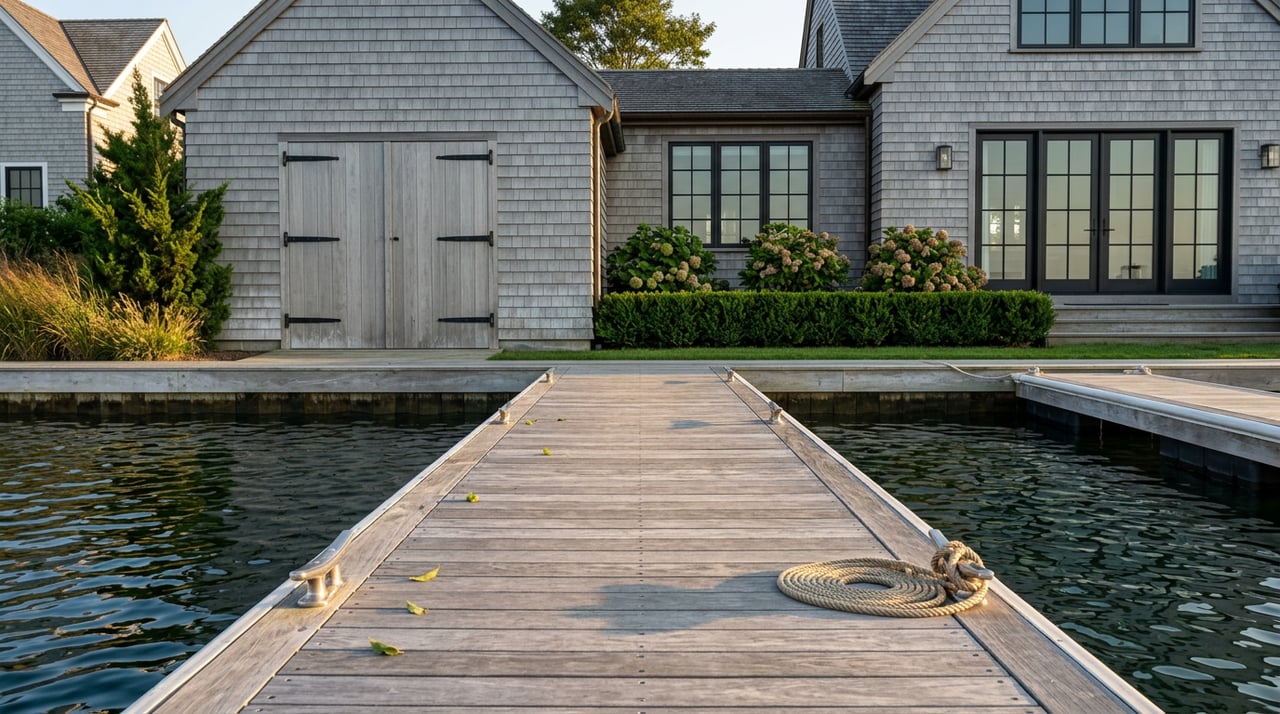
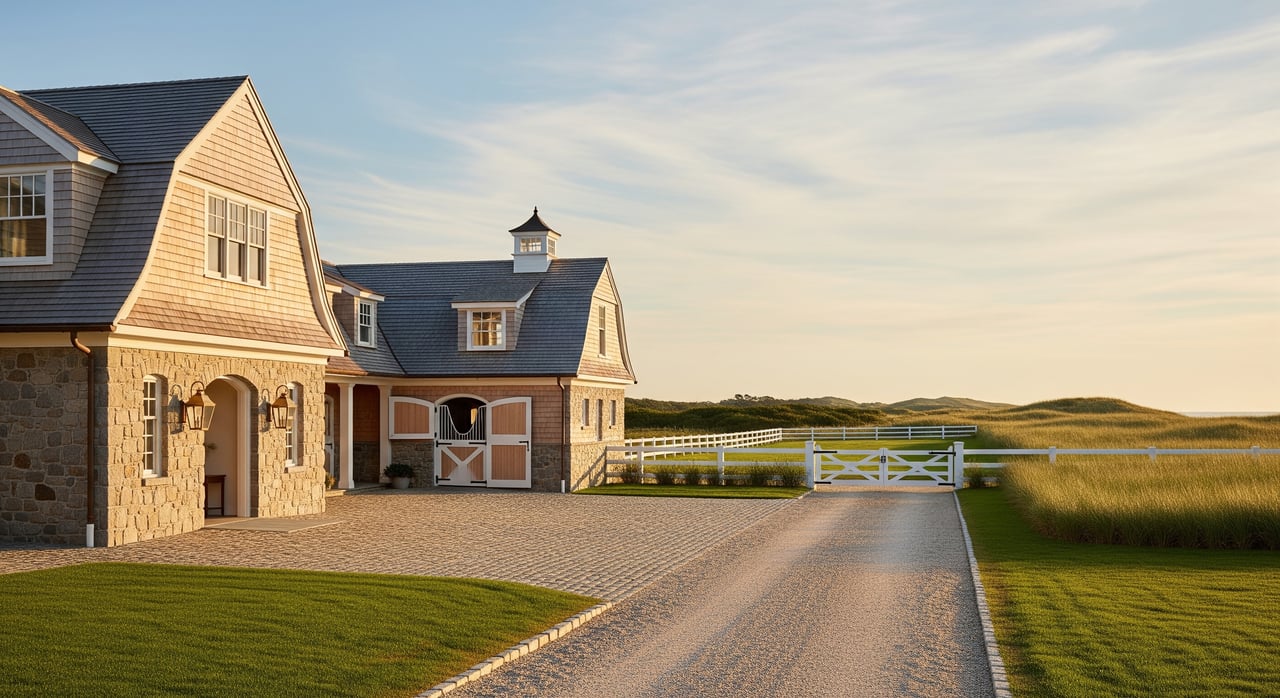
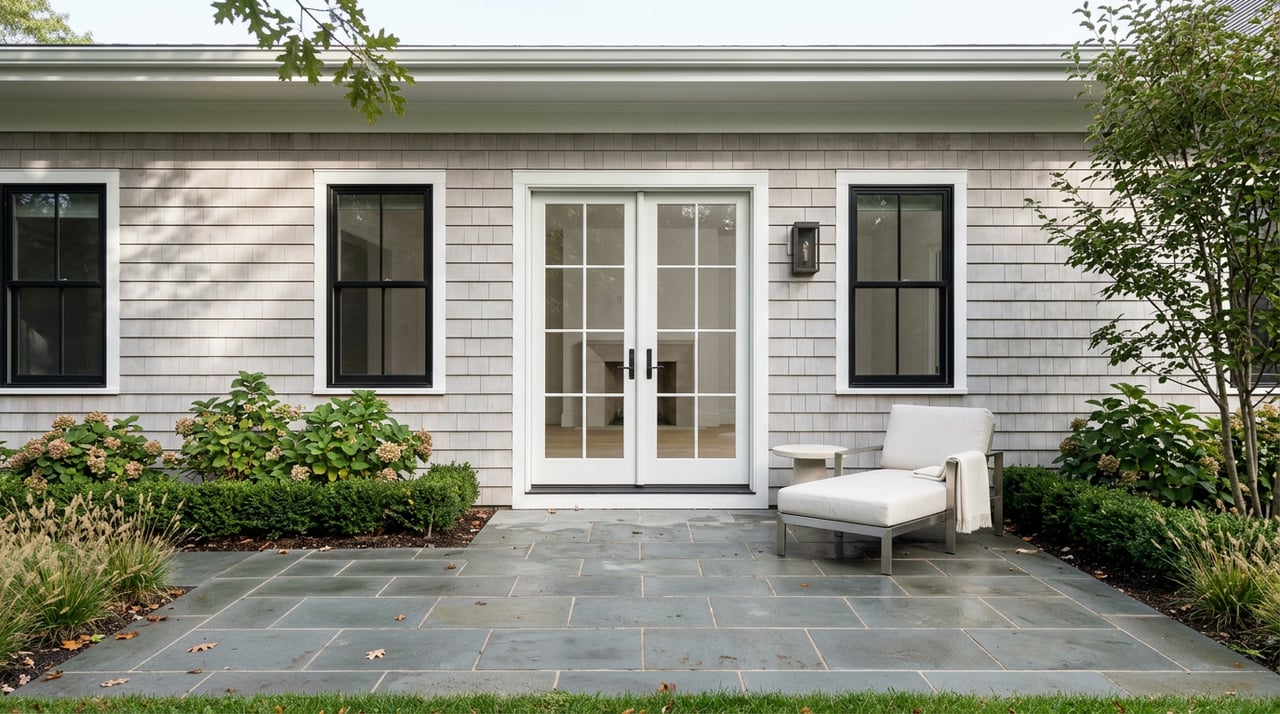
Looking for a Hamptons retreat that does more than give you a weekend address? In Springs, the right property can support how you live, think, and create, whether that means painting, writing, designing, or simply carving out space to work with more clarity. If you are considering Springs as a creative base, it helps to look beyond square footage and focus on light, shoreline access, and what a home can realistically become over time. Let’s dive in.
Why Springs attracts creative buyers
Springs has a distinct identity within East Hampton Town. It sits about 90 miles east of Manhattan in Suffolk County and is often described as having a small-town, 19th-century feel, with shoreline along Gardiner’s Bay and the Peconic Estuary. The area is also closely tied to the visual arts, with local sources noting that many artists have long been drawn to the quality of light here.
That creative history is not just marketing language. The Pollock-Krasner House and Study Center, the former home and studio of Jackson Pollock and Lee Krasner, gives Springs a rare art-historical presence for a residential community. For buyers who want a retreat with genuine cultural depth, that matters.
You can also feel that identity in everyday places. Ashawagh Hall, the Springs Historical Society, Brooks-Park Arts and Nature Center, and Duck Creek all show that preservation, programming, and community use remain active parts of Springs life. In other words, the creative legacy here is still woven into the land, buildings, and public spaces.
Start with light and orientation
If you are buying in Springs as a creative person, light should rank near the top of your list. In a place known for its distinctive daylight, the way a house captures morning sun, controls afternoon glare, and supports focused work can matter as much as layout or finishes.
East Hampton Town’s geography helps explain why. The Town describes itself as a 69-square-mile peninsula with 131 miles of coastline and 16,530 acres of protected open space, so conditions can shift quickly from one lot to the next. A wooded interior parcel may feel very different from a more exposed bay-side setting, even if both are in Springs.
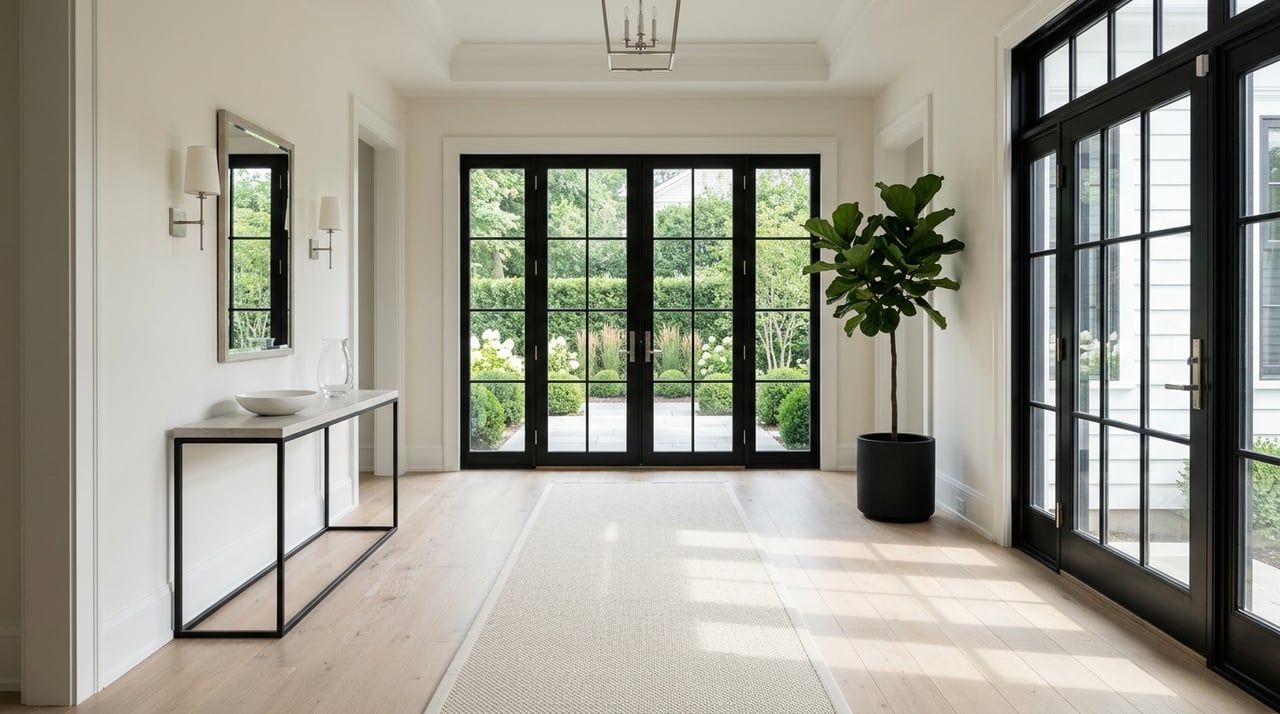
That is why you should pay close attention to more than the listing photos. Look at tree canopy, neighboring structures, window placement, ceiling height, and where the main workroom sits within the house. A beautiful room that gets harsh glare or inconsistent daylight may not serve you as well as a simpler room with steady, usable light.
What to evaluate in a creative workspace
When you tour a property, it helps to think like an end user rather than a casual weekend buyer. Ask yourself how the house will function on a Tuesday morning in November, not just on a sunny summer afternoon.
Consider these practical points:
- Natural light quality throughout the day
- Room orientation and glare control
- Wall space and floor space for your work
- Noise separation from main living areas
- Storage for supplies, equipment, or archives
- Climate control for year-round use
- Flexibility to serve as a studio, office, or guest space
A retreat works best when it supports both inspiration and routine. In Springs, that often means choosing a home with a room that feels calm, bright, and adaptable rather than heavily over-designed.
Understand lot conditions before you fall in love
In Springs, lot character can shape your experience as much as the house itself. Because East Hampton Town places a strong emphasis on conservation, water protection, habitat, storm resilience, and wastewater management, properties may come with more constraints than buyers expect.
This does not mean a property is less appealing. It means your due diligence should start early. If you are considering a studio addition, garage conversion, exterior renovation, or outbuilding, you want to confirm the property can support that plan before you become attached to a concept.
The Town’s GIS is especially useful at the beginning of the search. It allows you to check zoning, overlay districts, Water Protection District status, and FEMA flood-hazard data. For a creative buyer, those details can directly affect what you can build, how you can renovate, and what carrying costs or maintenance concerns may come with ownership.
Older areas may need more careful planning
Springs also includes older settlement pockets where context matters. East Hampton’s Local Waterfront Revitalization Program notes that many original farmhouses in Springs have retained their integrity and identifies a proposed historic district along Springs Fireplace Road.
For you as a buyer, that means exterior changes, additions, and even window replacements may require a more sensitive approach in certain areas. If part of the appeal is buying an older house and shaping it into a creative retreat, it is wise to understand that preservation context early.
Match beach access to your daily life
Water access is part of the Springs lifestyle, but not all shoreline access works the same way. One of the most common buying mistakes is assuming that being near the water automatically means the same kind of experience from one property to the next.
East Hampton Town lists four Springs beaches: Flaggy Hole, Gerard Drive Park, Louse Point, and Maidstone Park Beach. Each serves a different use pattern, and that distinction can affect how satisfied you feel once you own.
Maidstone Park Beach is the most swim-oriented option in Springs. The Town describes it as a lifeguard-protected bay beach with ADA restrooms, a covered picnic pavilion, grills, picnic tables, a playground, ball fields, and vehicular beach access with a Town permit.
By contrast, Gerard Drive Park and Louse Point function differently. The Town’s beach guide identifies both as no-swim areas, and Louse Point includes a launching ramp. If your ideal retreat includes kayaking, launching, or quiet shoreline access, those settings may appeal to you more than a traditional swim beach.
Choose access by use, not just distance
When you compare properties, ask a simple question: how do you actually want to use the water? That answer matters more than a vague promise of “beach nearby.”
Here is a useful way to frame it:
- Swim beach: best if you want regular bay swimming and family-oriented beach time
- Launch point: useful if you kayak or prefer practical water access
- Protected bay edge: often better for quiet shoreline experience and views
- Drive-on access: appealing if convenience and gear transport matter to you
Beach access is also seasonal and regulated in East Hampton. The Town says most beaches open for swimming on Memorial Day weekend, daily lifeguard coverage typically runs from mid-June through Labor Day, and some beaches stay open for two weekends after Labor Day. The Town also requires a valid beach parking or drive-on pass for beach access outside state and county parks and the villages, with renewals every five years.
Renovate for function and long-term value
Many Springs buyers are drawn to homes with personality, and for good reason. The strongest purchases often balance authenticity with practical upgrades that support the way you want to live.
In a creative retreat, that usually means preserving the character-defining shell while improving light, flow, acoustics, storage, and climate control. That approach fits both the area’s historic context and the way many buyers use these homes over time.
It can also support future resale. A property tends to have broader appeal when it can function in more than one way, such as a weekend retreat, an extended-family base, or a work-from-home setting with a dedicated studio or office.
Focus on the upgrades that matter most
Before investing heavily in bespoke finishes, make sure the fundamentals are sound. In Springs, a highly personalized interior can be less important than a home’s legal use, flood exposure, parking, and flexibility.
For many buyers, the most important decision points include:
- Studio size and daylight quality
- Potential for an addition or outbuilding
- Beach-access type
- Parking and ease of arrival
- Flood exposure and storm considerations
- Whether the property sits in a preservation-sensitive area
A thoughtful purchase is one that works beautifully for you now and still makes sense later.
What a smart Springs search looks like
If Springs is calling to you, it helps to approach the search with both imagination and discipline. The setting can feel deeply inspiring, but the best results usually come from pairing that emotional pull with careful property review.
Start with your true priorities. Decide whether your retreat is centered on studio life, water access, privacy, preservation character, or flexibility for guests and work. Once those priorities are clear, it becomes much easier to sort between a house that photographs well and one that will actually support your lifestyle.
In Springs, the right retreat is rarely just about luxury. It is about alignment between place, property, and purpose. When that match is right, you are not simply buying a home. You are creating a setting that can serve you for years to come.
If you are considering a purchase in Springs and want a more curated, strategic search, Jennifer Friedberg can help you evaluate properties with local insight, discretion, and a clear eye for long-term value.
FAQs
What makes Springs, NY appealing to creative home buyers?
- Springs offers a strong creative identity, a long connection to artists, distinctive natural light, and a mix of cultural and shoreline settings that can support a retreat lifestyle.
What should a buyer look for in a Springs creative retreat?
- Focus on light quality, room orientation, studio or office flexibility, lot constraints, beach-access type, parking, and any zoning, flood, or preservation considerations.
Which Springs beaches are best for swimming?
- East Hampton Town describes Maidstone Park Beach as the main swim-oriented option in Springs, with lifeguards and several public amenities during the active season.
Are all waterfront access points in Springs the same?
- No. Some locations are better for swimming, while others are better for launching, kayaking, or quiet shoreline access, so it is important to match access type to how you plan to use it.
Can you renovate an older home in Springs for studio use?
- In many cases, buyers explore that path, but you should first confirm zoning, overlay districts, water-protection status, flood-hazard data, and whether the property is in a preservation-sensitive area.
Why does due diligence matter so much when buying in Springs?
- Springs properties can vary widely by light, lot exposure, shoreline access, conservation context, and renovation potential, so early review of Town mapping and property constraints can help you make a more confident decision.