Dreaming of a Hamptons-area escape where the day starts at the dock and ends over a great dinner? Shelter Island offers a very specific kind of second-home life, one shaped by ferry crossings, beach permits, quiet preserves, and a compact cluster of places that make daily routines feel easy without feeling busy. If you are considering a second home here, understanding how the island actually works can help you decide whether its pace, access, and lifestyle are the right fit for you. Let’s dive in.
Why Shelter Island Feels Different
Shelter Island sits between the North and South Forks, and you reach it by ferry. That ferry-only access is not a small detail. It shapes how you arrive, how your guests visit, and how weekends unfold.
North Ferry connects Greenport to Shelter Island Heights, while South Ferry connects North Haven to Shelter Island. Both run year-round, and South Ferry operates every 10 to 15 minutes, 365 days a year. Neither ferry uses reservations, so timing and queueing become part of the rhythm of ownership.
That pattern gives the island a more deliberate pace. You are not just driving in and out on demand. You are planning arrivals, thinking a bit ahead for errands and house guests, and settling into a routine that many second-home buyers find appealing.
Ferry Life and Weekend Logistics
If you are used to seamless door-to-door travel, Shelter Island asks for a slight mindset shift. The ferries are first-come, first-served, and according to the reported operating details, cash is part of the routine on both routes, with North Ferry also accepting checks. For owners, that makes practical planning a real part of island life.
This matters most on summer Fridays, holiday weekends, and guest arrival days. You may find yourself coordinating pickup times, sharing ferry instructions with visitors, and building a little buffer into dinner reservations or boat plans.
For many buyers, that is not a drawback. It is part of what keeps Shelter Island feeling separate from faster-moving East End destinations.
Beach Access Is Part of the Lifestyle
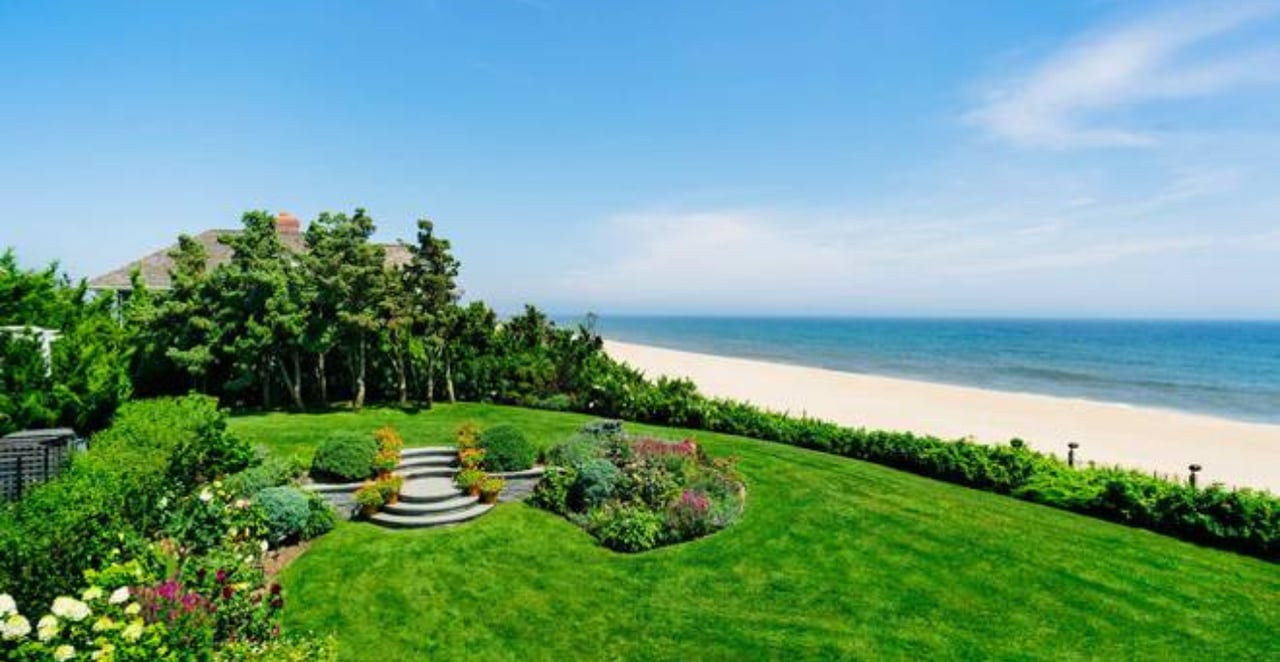
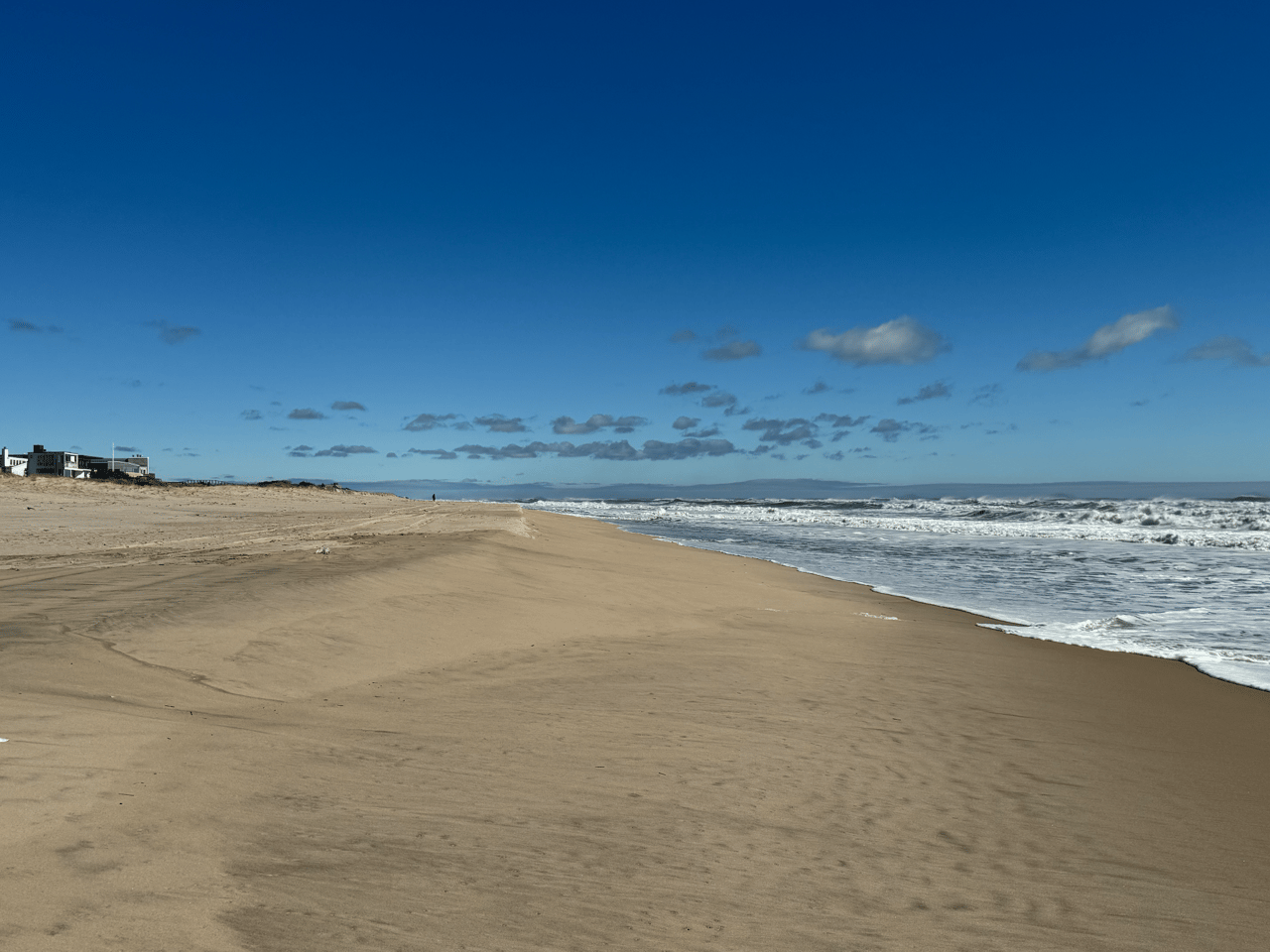
A second home on Shelter Island often means regular beach time, but it also means learning the town’s seasonal parking rules. From May 15 through September 15, parking at many beaches and landings is permit-controlled. The town offers resident, daily, weekly, monthly, and seasonal permits, and one-day permits are available through ParkMobile for listed permit sites.
That system is worth knowing early because it affects how spontaneous your beach day can be. It also helps to understand which beach fits which mood.
Crescent Beach for Classic Summer Days
Crescent Beach, on the north side of the island, is one of the most recognizable beach destinations here. It has lifeguards and a comfort station, and the local Chamber notes kayaking, paddleboarding, and summer fireworks.
If you picture a classic summer afternoon with a little more activity, Crescent Beach is often part of that image. For many owners, it becomes a reliable go-to for guests and family weekends.
Wades Beach for Easy Swimming
Wades Beach sits on the south side along Shelter Island Sound. It is known for its broad sandy setting, lifeguards, a shallow swimming area, and an ADA-accessible open-air pavilion.
If you want a beach that supports a longer, more settled day, Wades Beach is a strong match. It is the kind of place where you can arrive with chairs, stay for hours, and keep the plan simple.
Shell Beach and Menhaden Lane for Quieter Moments
Not every water outing on Shelter Island is about amenities. Shell Beach is a narrower sand peninsula with no lifeguards and few facilities, but it offers a quieter shoreline experience and a stronger sense of bird life.
Menhaden Lane is better understood as a town landing than a full-service beach. It offers views toward Gardiner’s Bay and Long Beach Bar Lighthouse, making it a useful stop when you want a quick waterside pause rather than a full beach setup.
Water Access Goes Beyond the Beach
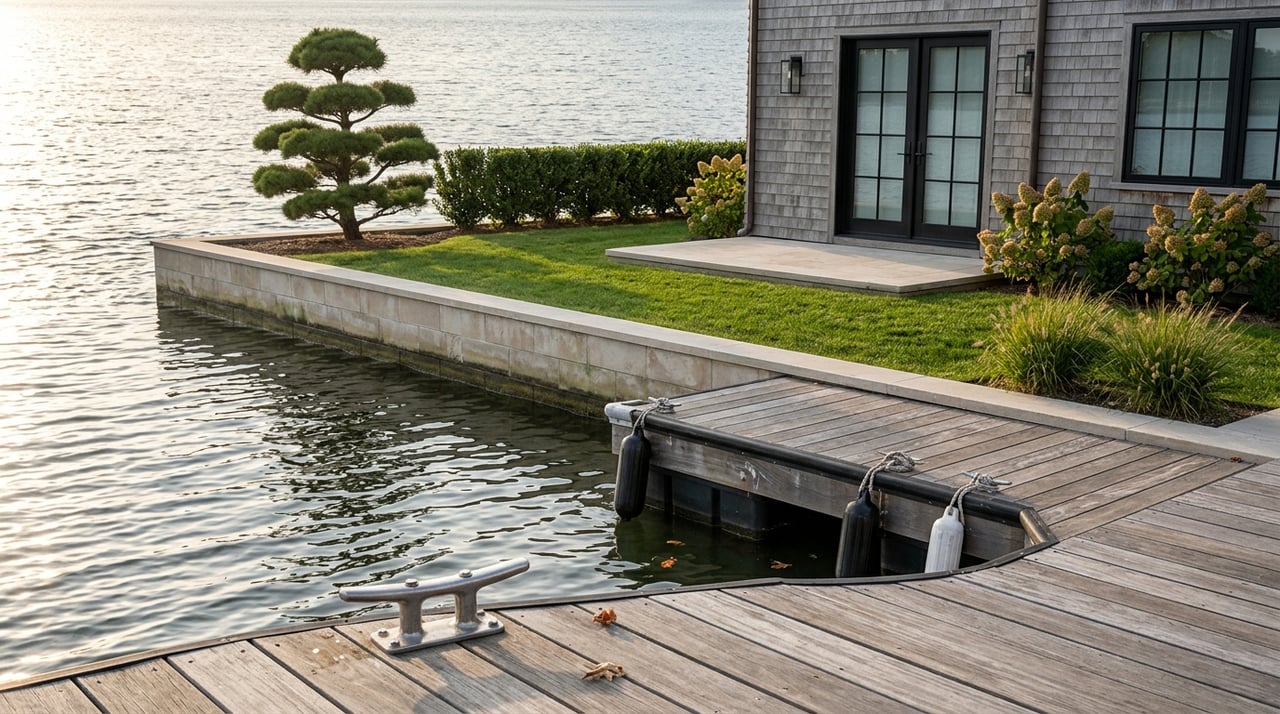
On Shelter Island, life on the water is more structured than many buyers expect. Moorings and town docks are regulated, and the town states that mooring permits are resident-only. Town-owned docks generally require permits, and Dering Harbor Town Dock has limited temporary-use rules.
That means boating access is not something to assume. If waterfront use is central to how you want to live, it is smart to understand the difference between beach access, dock access, mooring rules, and private property features.
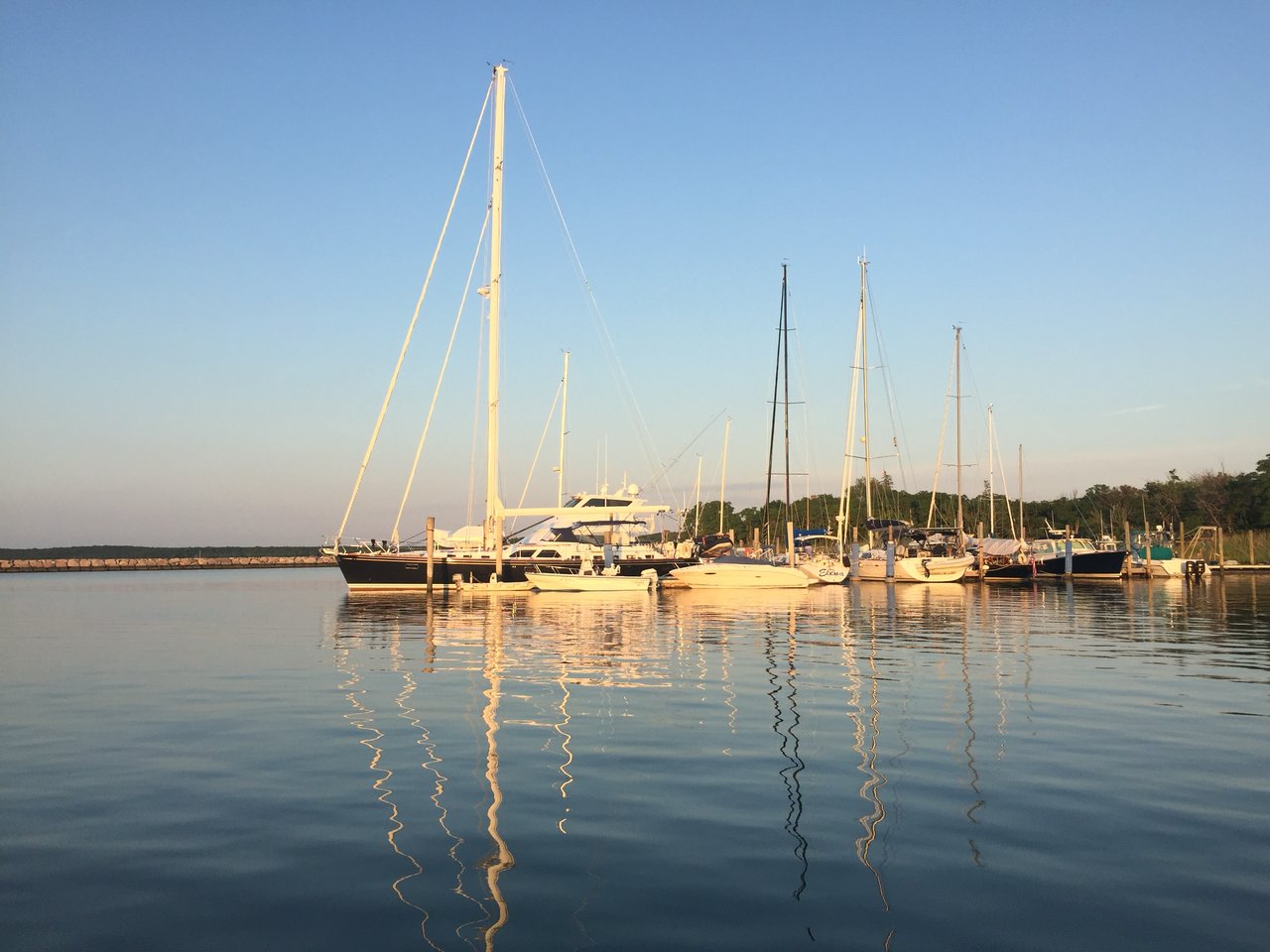
The boating culture is still a major part of the island identity. The Shelter Island Yacht Club, located on Dering Harbor, has served the boating community for more than 125 years and offers launch service, moorings, floating docks, short-term tie-ups, and dining.
Preserves and Trails Shape Daily Life
One of Shelter Island’s biggest strengths is how much preserved land it has. The island feels less like one main park and more like a network of woods, shoreline edges, creeks, ponds, and quiet access points spread throughout the town.
For a second-home owner, that can be a real quality-of-life advantage. You do not need to build every day around a major outing. You can fit in a morning walk, a quick harbor-view picnic, or an afternoon paddle with very little fuss.
Mashomack Preserve as a Signature Destination
Mashomack Preserve is the island’s best-known nature destination. It spans more than 2,350 acres and includes 11 miles of coastline, tidal creeks, oak woodlands, fields, and freshwater marshes. Trails are open daily from dawn to dusk, and pets are not allowed.
If you value quiet outdoor time, Mashomack helps define what makes Shelter Island distinct. It offers a sense of scale and immersion that surprises many first-time visitors.
Smaller Preserves and Access Points
The town’s open-space and preserved-lands map identifies places such as Crab Creek Preserve, Dickerson Pond Park, Locust Woods Preserve, Reel Point, Sachem’s Woods, West Neck Preserve, Taylor’s Island, and Wayside Park. Taylor’s Island is noted as a kayak or shallow-draft boat outing, while Wayside Park is described as a small harbor-view picnic spot.
These places matter because they become part of how people actually live here. Over time, you get to know road names, trailheads, and shoreline access points, and that familiarity becomes part of the island’s appeal.
Dock to Dinner Is a Real Routine
Shelter Island’s food scene is compact, but it covers the essentials well. The Chamber’s dining directory includes The Chequit, The 1901 Grill, Vine Street Cafe, Stars Café, The Eccentric Bagel, Leon 1909, Opties & Dinghies, The Whale’s Tale, Demarchelier Bistro, and Salt Waterfront Bar & Grill.
What stands out is not scale but range. You can move from coffee or bagels to a casual lunch, then on to waterfront drinks or dinner without leaving the island.
That matters for second-home ownership because convenience affects how often you use the house. When daily basics and evening plans are close at hand, the home tends to feel easier to enjoy on shorter stays.
The shopping scene works in a similar way. Shelter Island IGA, Shelter Island Hardware, Shelter Island Flowers, Black Cat Books, Shelter Island Craft Brewery, and several other local businesses help cover practical needs without turning errands into an off-island project.
Small-Scale Culture Adds Depth
Shelter Island does not try to feel urban, and that is part of its charm. Its cultural life is smaller in scale and often seasonal, but it adds texture to the ownership experience.
Havens House, built in 1743, is home to the Shelter Island History Museum and anchors the island’s historic story. Sylvester Manor spans 236 acres and brings together a manor house, restored windmill, burial ground, working farm, and educational and cultural arts programming.
In summer, the Perlman Music Program adds another layer of seasonal identity through classical music training. The Chamber’s annual events list, including the Duck Race, Art Show & Craft Fair, Shelter Island Fire Department Country Fair, Trucks & Trades Fair, Tree Lighting, and Business of the Year Awards Dinner, shows how community programming shapes the calendar.
Property Patterns Buyers Should Understand
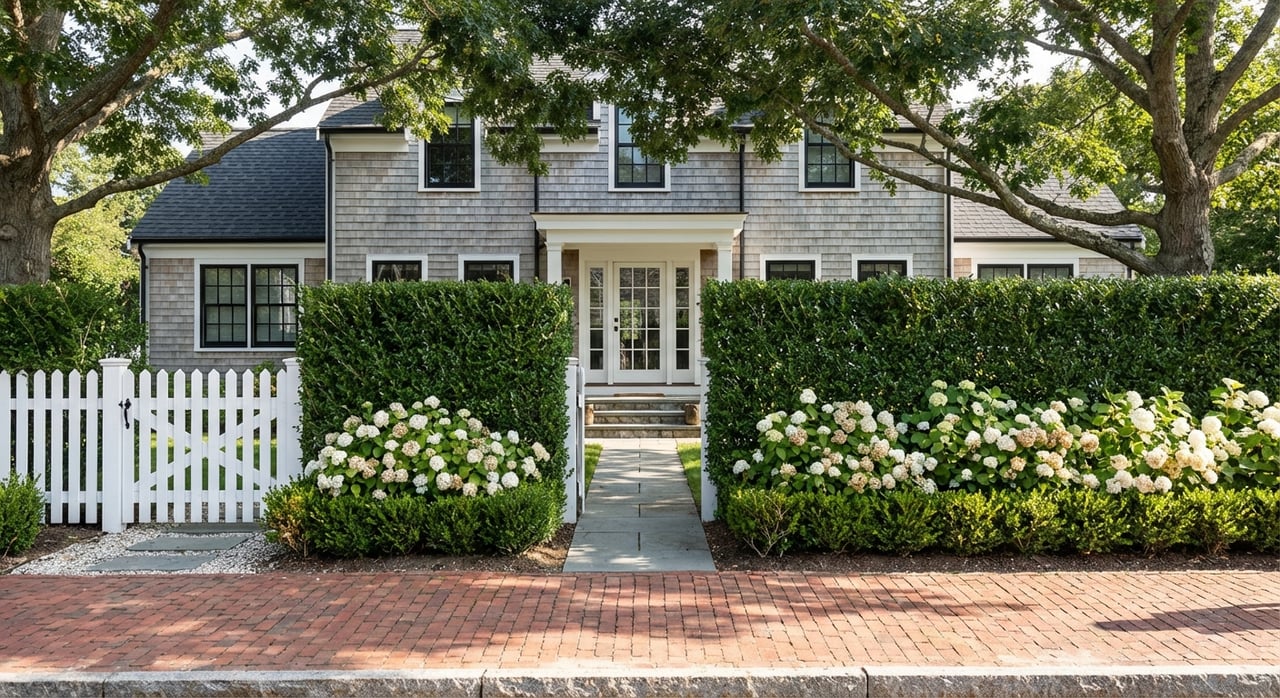
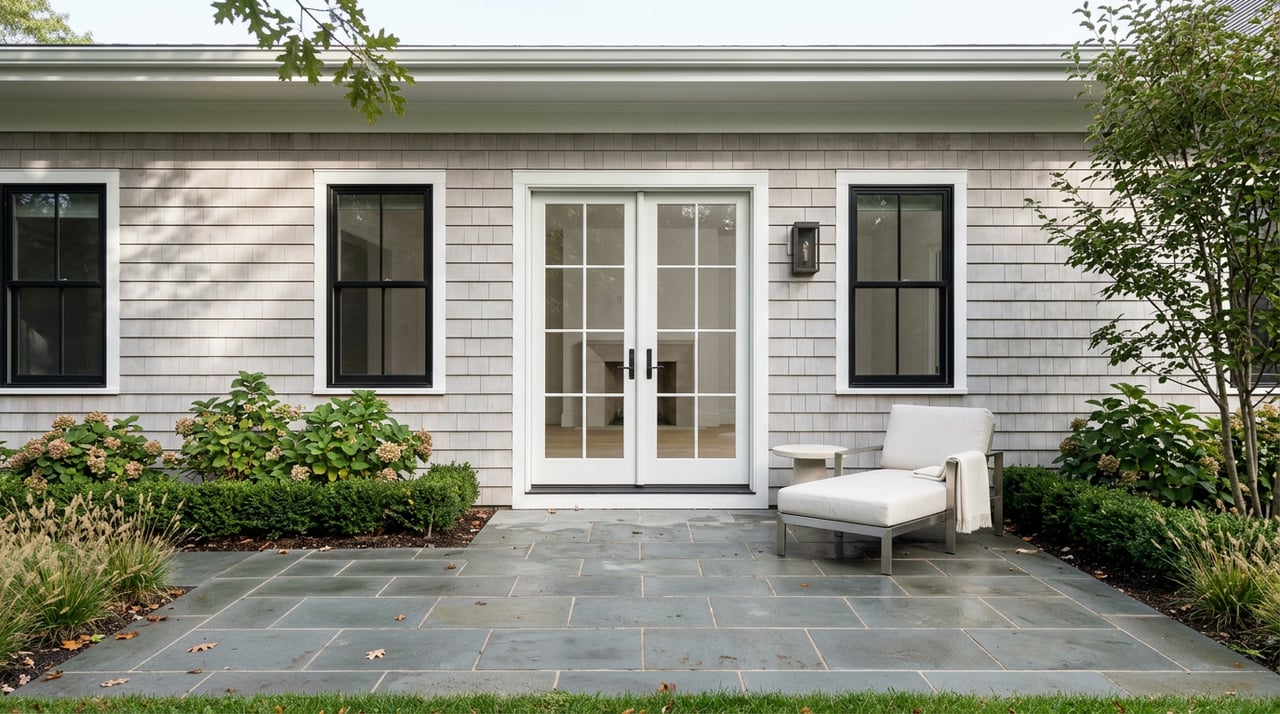
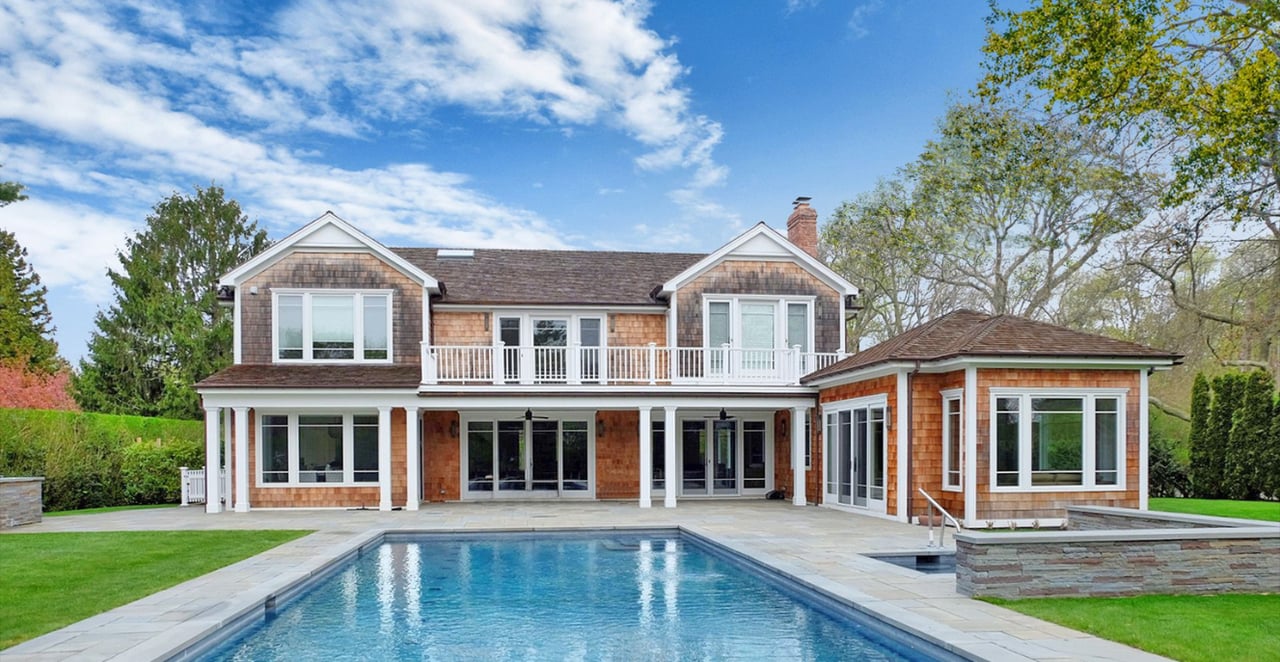
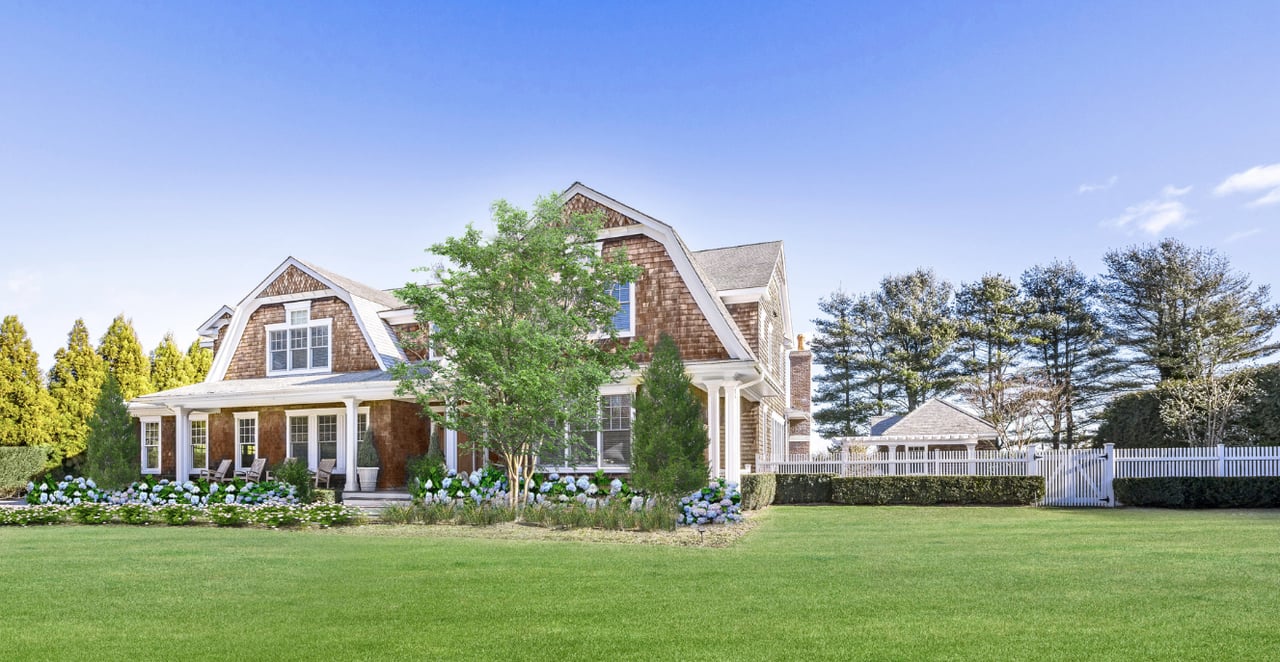
If you are exploring Shelter Island as a second-home market, the most useful thing to know is that housing here tends to follow a few recognizable patterns. Rather than dense subdivisions, you will generally see historic cottages, individual single-family homes, and waterfront properties.
Town planning documents note that after zoning was adopted in 1957, one- and two-acre residential lots became the dominant pattern across much of the island. Dering Harbor has its own single-family districts with 3-acre and 1.5-acre zoning patterns.
Shelter Island Heights
Shelter Island Heights is the island’s clearest historic housing district. It was designed around 1872, with roughly 70 cottages built between 1872 and 1880, and the district today contains 141 buildings.
For buyers, the Heights often reads as the most compact and historically defined part of the island. With the North Ferry office near the boarding area and a north-end cluster of shops, services, and yacht-club activity nearby, it offers a more village-like rhythm than some other parts of Shelter Island.
Dering Harbor and Harbor-Oriented Living
Dering Harbor is an incorporated village with its own code and design-principles process. Its boating identity is reinforced by the Shelter Island Yacht Club’s location there and by the long-standing harbor culture.
If you are drawn to a harbor setting and a close relationship to boating life, this area often enters the conversation quickly. It has a distinct identity within the broader island.
Shoreline Pockets Across the Island
Elsewhere, buyers often hear place names like West Neck, Menantic, Ram Island, Coecles Harbor, Silver Beach Lagoon, Fresh Pond, Reel Point, Daniel Lord Road, and Hiberry Lane. These names tend to signal shoreline orientation, preserve adjacency, or beach-access context more than formal neighborhood boundaries.
That is helpful to remember during a home search. On Shelter Island, micro-location often shapes lifestyle more than a conventional neighborhood label does.
Is Shelter Island the Right Second-Home Fit?
Shelter Island works best for buyers who want a place with natural beauty, water access, and a quieter daily pattern. It rewards people who appreciate planning a bit ahead, learning local routines, and using the island in a steady, repeat way rather than treating every weekend like a packed itinerary.
If that sounds like you, Shelter Island can offer a very appealing second-home experience. It is a market where lifestyle is tied closely to geography, logistics, and the simple pleasure of knowing exactly where to go for a beach morning, a dockside afternoon, or a relaxed dinner.
If you are considering a second home on Shelter Island or elsewhere in the Hamptons, Jennifer Friedberg offers a highly personal, discreet approach to curating the right property and guiding you through each step with care.
FAQs
What makes Shelter Island different from other East End second-home markets?
- Shelter Island is ferry-only, with beach parking rules, regulated water access, preserved land, and a smaller cluster of shops and dining that create a more deliberate daily pace.
What should second-home buyers know about Shelter Island ferries?
- North Ferry and South Ferry both run year-round without reservations, so first-come, first-served timing and occasional queueing are part of regular island life.
Which Shelter Island beaches are most useful for second-home owners?
- Crescent Beach and Wades Beach are popular for longer beach days with lifeguards, while Shell Beach and Menhaden Lane are better for quieter shoreline stops.
Can you keep a boat or get a mooring on Shelter Island?
- Town mooring permits are resident-only, town docks generally require permits, and some temporary dock use is limited, so buyers should review water-access rules carefully.
What kinds of homes will you typically find on Shelter Island?
- Buyers will usually encounter historic cottages or village houses in Shelter Island Heights, harbor-oriented properties near Dering Harbor, and more private single-family homes on larger lots across the island.
Is there enough to do on Shelter Island without leaving the island?
- Yes, the island offers beaches, preserves, boating culture, practical shopping, dining, history sites, music programming, and seasonal community events that support an easy second-home routine.