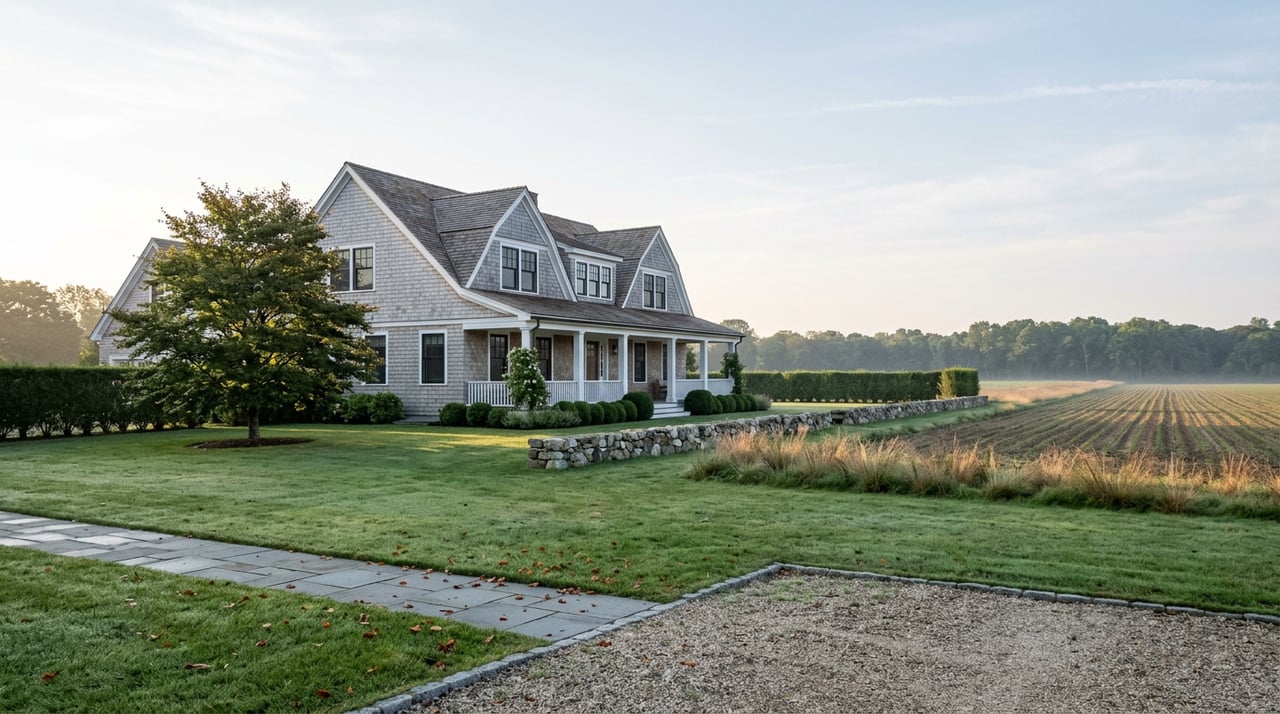
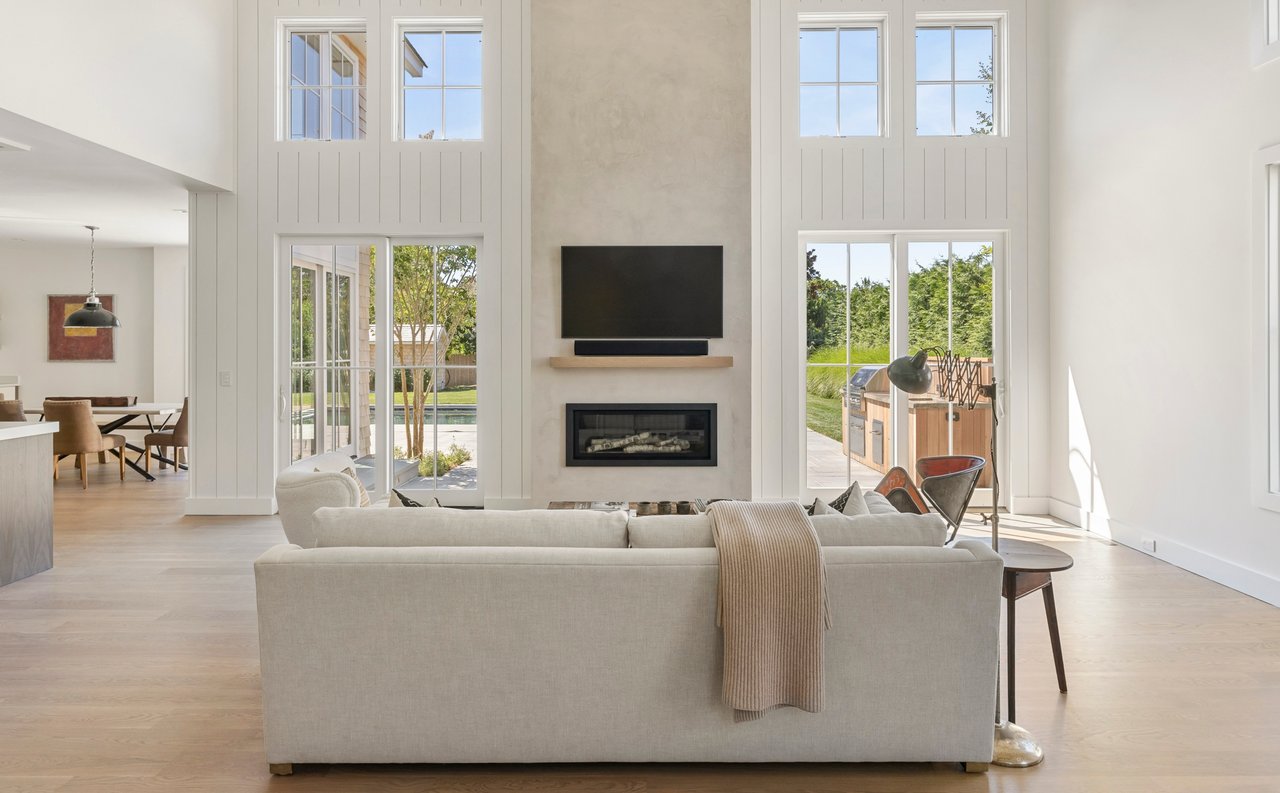
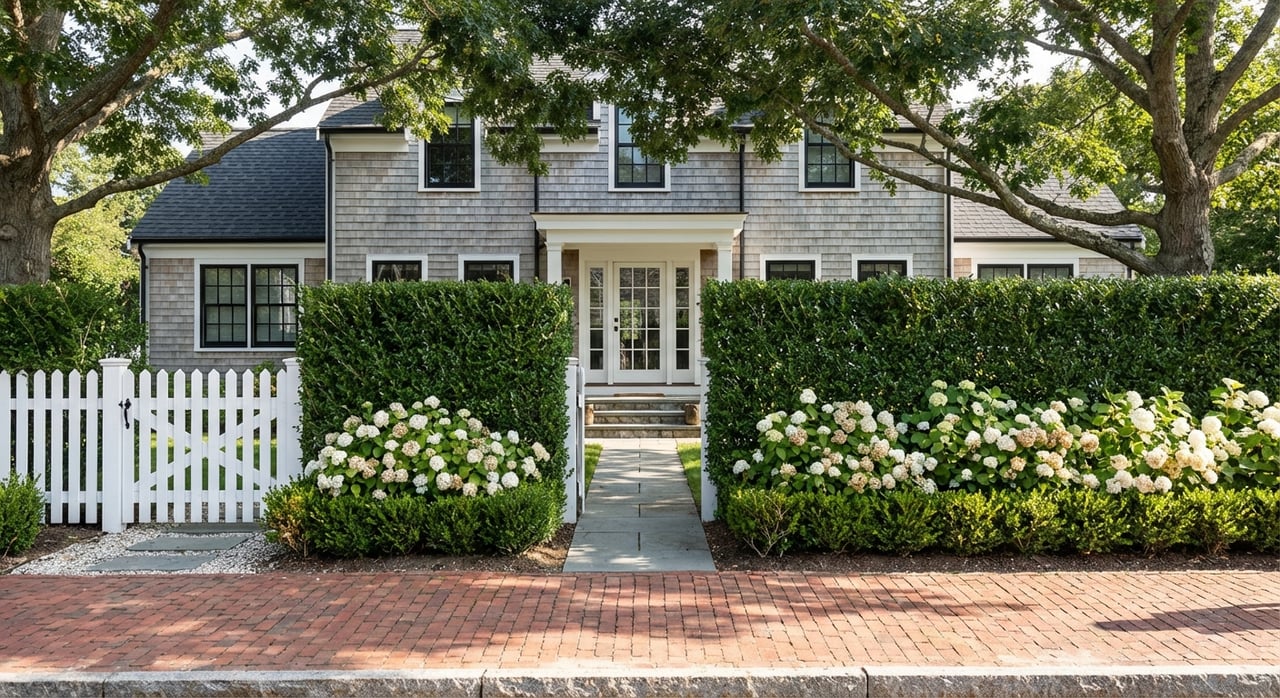
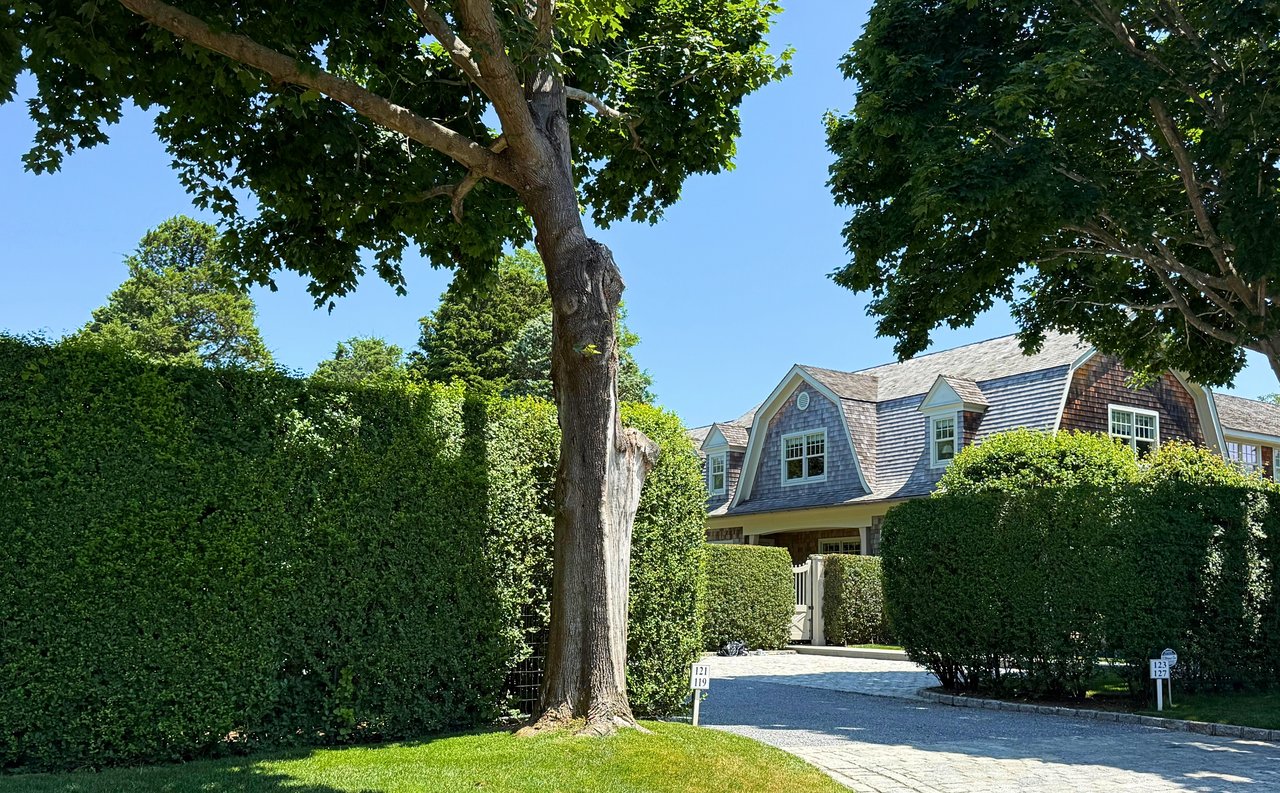
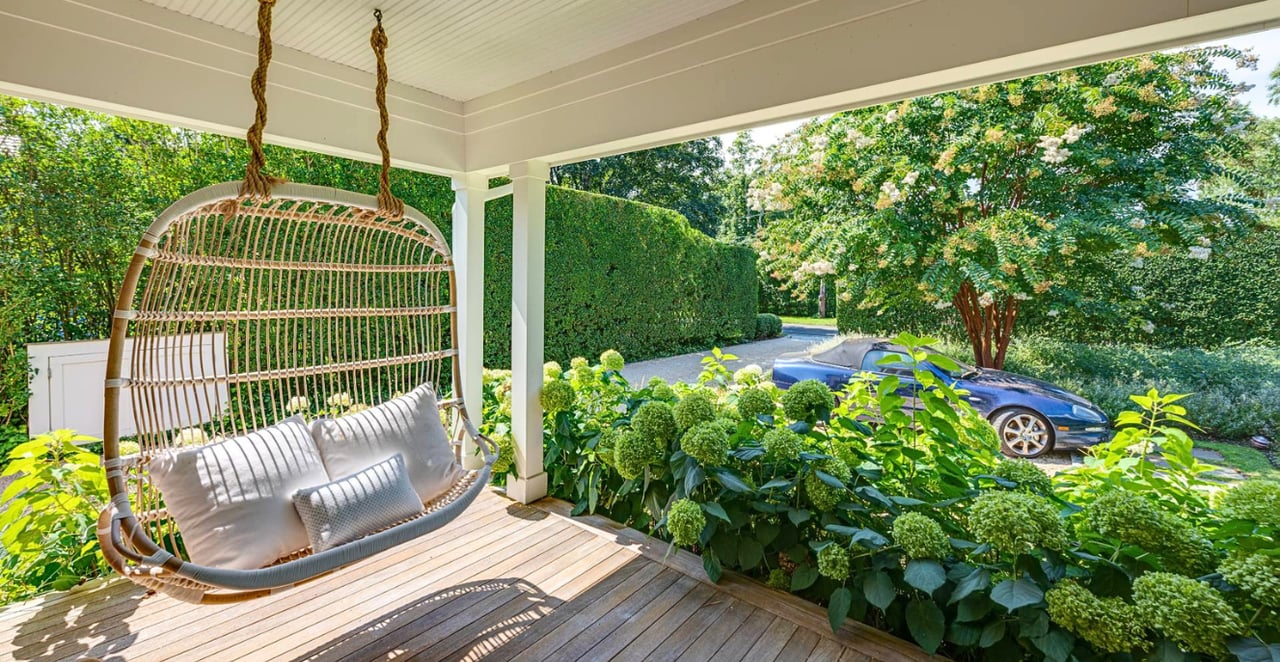
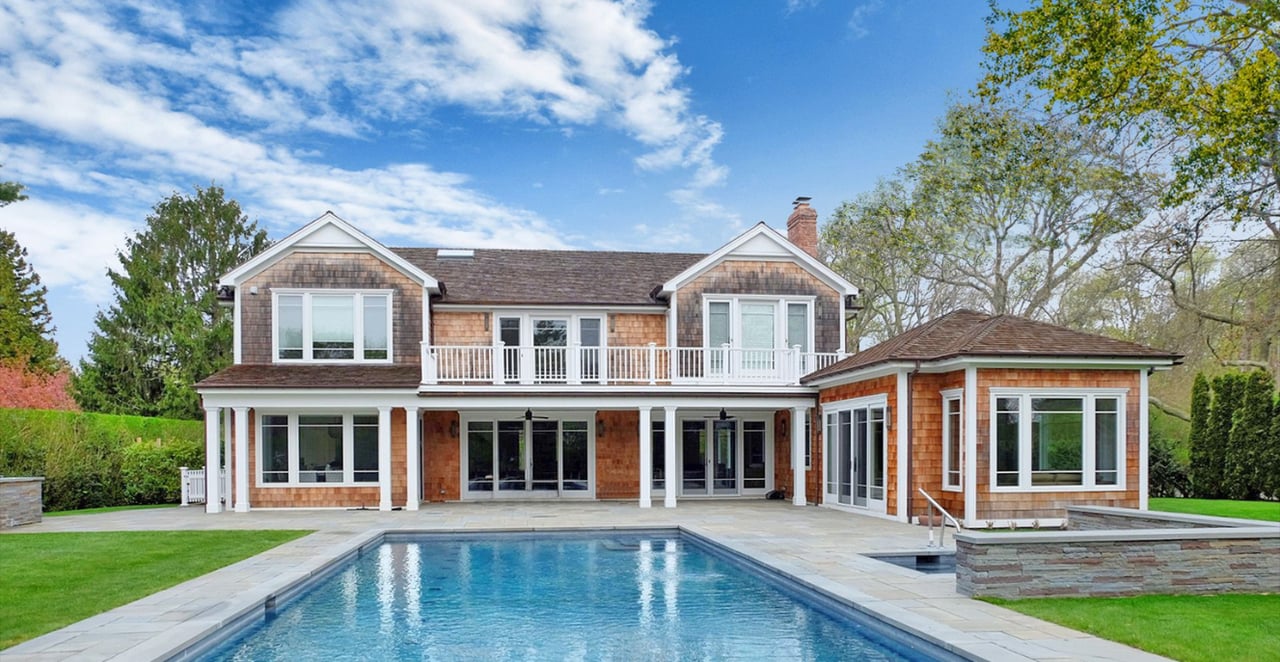
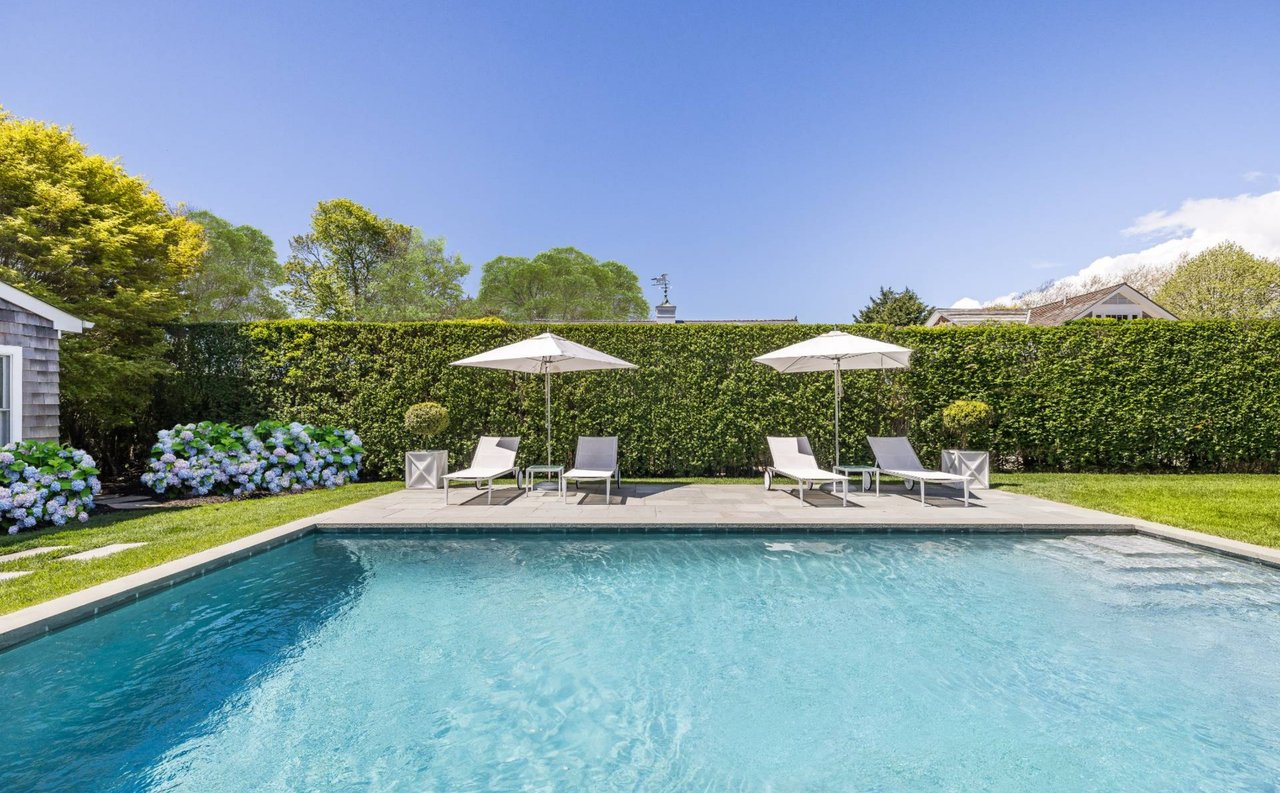
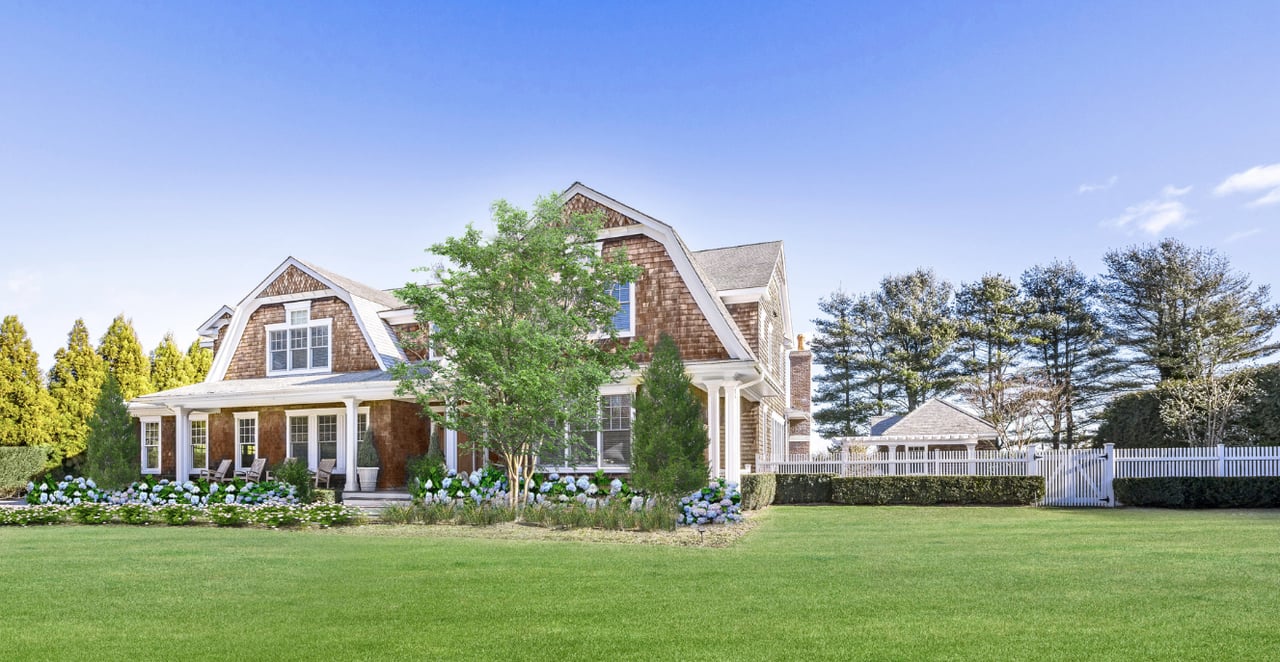
In September 2024, 79 Osprey Way in Water Mill went on the market for $19,400,000. It came off, went back on in December 2025 at $18,995,000, absorbed two more price cuts, and finally found a buyer in May 2026. The deal closed June 29 at $14 million, a $5.4 million gap from the original ask, for a home completed by Brodson Construction with designer Jake Arnold. Nearly two years from first listing to closing table.
That timeline is the real Water Mill market. Not the headline number.
The median that doesn't mean what it looks like
Anyone pulling up portal data on Water Mill this year has seen something alarming: a median sale price reported down 45.9% year over year, to $6.3 million, as of the reporting period ending February 2026. Read on its own, that number suggests a hamlet in freefall.
It isn't. It's a symptom of how few transactions actually close here in any given month.
Movoto's own data for April 2026 shows why. That month, 21 homes sold in Water Mill at a median of $5,495,000, up from 17 sales the year before. Different month, different provider, different number entirely. Two data sources looking at the same tiny hamlet in the same year can't agree on the direction of the median because the sample is so thin that one or two closings at either end of the price range swing the whole figure. A $30 million architect-designed compound and a $2 million teardown lot closing in the same 30-day window will produce a median that says nothing reliable about where the market actually sits.
What both providers agree on, almost to the day, is how long homes are taking to sell. Movoto puts it at 160 days in April 2026, up from 89 days the year prior. Redfin's separate pull shows homes currently averaging 161 days. Two competing data sets, built on different methodologies, landing within a day of each other on the number that actually measures buyer behavior rather than transaction mix.
That's the number worth building a strategy around.
What's actually sitting, and what isn't
The 79 Osprey Way story is instructive because it's a new-construction spec home, priced at the top of the market before the market had fully absorbed it. Homes like that are the ones stacking up days on market and forcing sellers into repeated repricing. They compete against each other on finish level and amenity package, and buyers know they can wait.
South Fork inventory overall told a similar story earlier in the year. The Real Deal reported that first-quarter 2026 listings fell 10% year over year, the second inventory decline in three quarters, even as sales volume dropped more than 16% below the decade average. Supply was tight and deals were still slow to close, a combination that only makes sense once you separate genuine waterfront from everything else competing for the same buyer pool.
Compare 79 Osprey Way's near two-year slog to a listing 15 minutes away in Southampton Village. 299 Narrow Lane, a 1.2-acre gated property owned for more than two decades by philanthropist Laura Lofaro-Freeman, went on the market at the end of April 2026 at $7.2 million and closed at $7.35 million, 2.1% above ask, inside of four months. Same broader market, same general price tier, opposite outcome. The difference wasn't the hamlet. It was whether the home was priced to where buyers already were.
Lofaro-Freeman and her husband also bought in Water Mill, closing on a 7,500-square-foot house on Burnett Cove for $10.97 million on July 23. That deal went under contract about a month after the buyer's April purchase activity began and closed within the summer. The mismatched listings are the ones dragging the average toward 160 days.
Where the real waterfront goes
The other half of the Water Mill story is the inventory that never generates a days-on-market statistic at all, because it doesn't sit on the market long enough to register one.
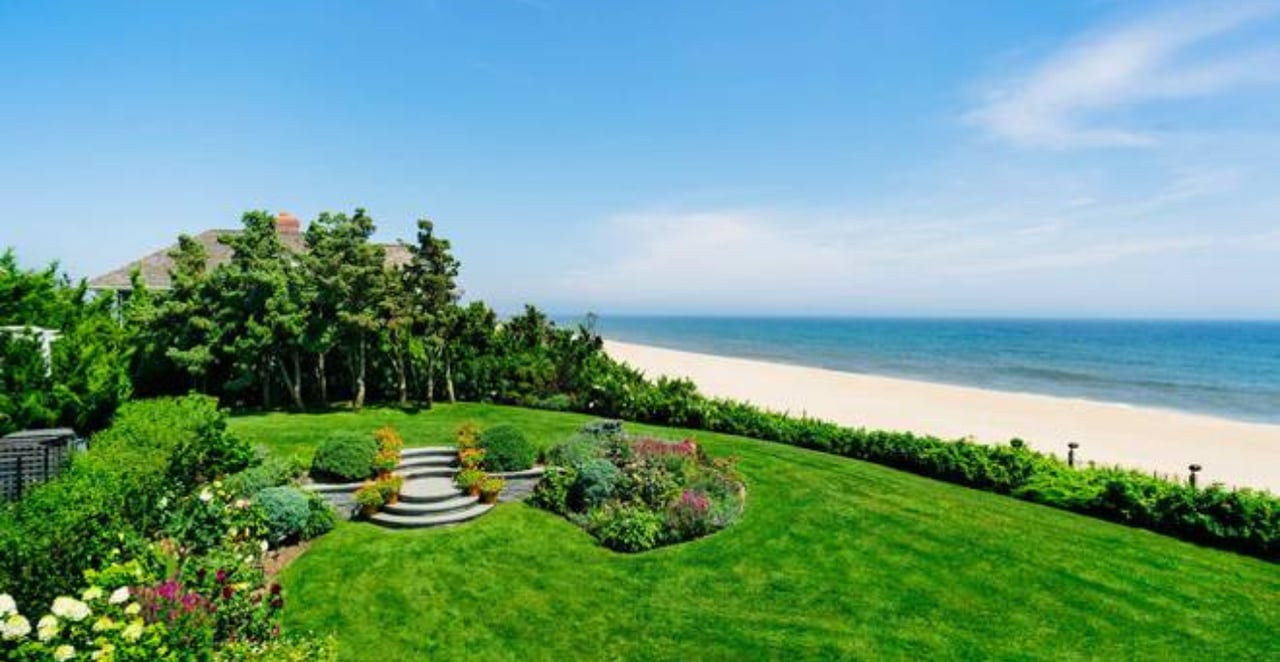
Brokers tracking supply across the South Fork this summer put it plainly. One roundup noted that quality waterfront rarely comes to market, and when it does, the strongest deals often happen quietly before a listing ever goes public, with East Hampton, Amagansett and Water Mill named specifically as hamlets where serious buyers now work with brokers to get ahead of south-of-the-highway opportunities rather than wait for them to appear online.
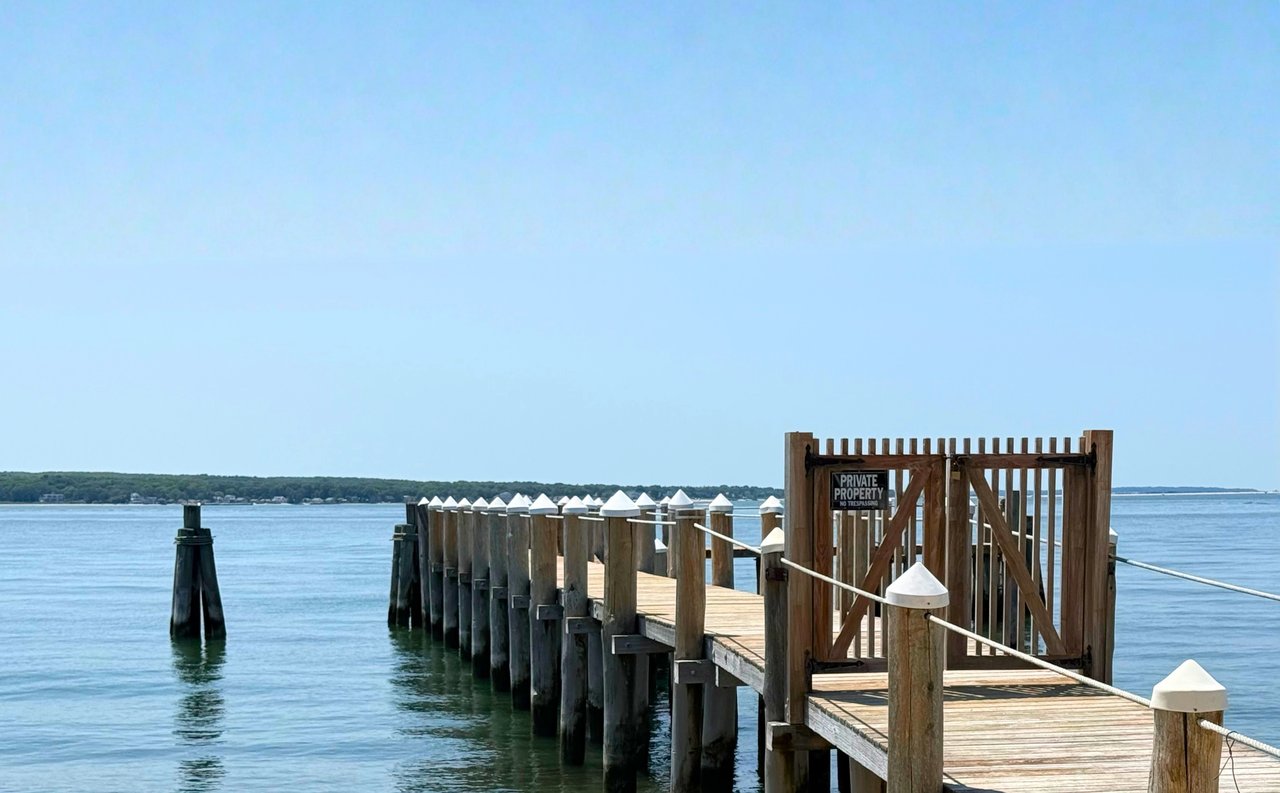
A 2.68-acre compound spanning Calf Creek and Mecox Bay, designed by architect Andrew Berman with a private dock and rooftop wildflower garden, is the kind of property that fits this pattern. Listings like it surface in press roundups as available, but the actual buyer conversation for water on Mecox Bay tends to start before a sign goes up.
At the top of the new-construction tier, the logic shifts again. A 19,000-square-foot cast-concrete-and-steel estate at 200 Rose Hill Road came to market in early 2026 asking $32 million, with a shell engineered for winds up to 200 miles per hour. Homes at that tier aren't competing on days-on-market at all. They're priced against very few comparable builds, so the hamlet-wide average says little about them.
So the hamlet holds three separate markets at once: spec construction absorbing slowly and getting repriced in public, water on Mecox Bay and its creeks moving through private conversations that skip the portal entirely, and a handful of engineering-driven trophy builds priced against nothing but themselves.
What to ask instead of trusting the median
A buyer comparing Water Mill to Bridgehampton or Southampton this fall doesn't need the median sale price. They need three narrower questions answered for the specific property type and price band they're actually shopping:
- How many days has this listing, or comparable recent listings in this exact tier, actually sat, not the hamlet-wide average
- How many price reductions has it already absorbed, and what does that say about where the seller's expectations started versus where the market landed
- Whether there's a private conversation happening on this stretch of waterfront before it ever reaches a portal, and whether that door is still open
Those three answers tell a buyer more about what a given price actually buys in Water Mill than any median calculated across a 17-to-21-home monthly sample ever will.
The hamlet isn't crashing. It's sorting itself into segments that behave nothing alike, and the portal math flattens all of them into one number that describes none of them accurately.
If you're weighing a Water Mill purchase against another South Fork hamlet this fall, Jennifer Friedberg tracks these deals hamlet by hamlet, not just by the headline. Schedule a private consultation to talk through what a specific price point in Water Mill actually gets you right now.