The ferry lines are shorter this week than they were three weeks ago. That's the only part of the story most people bother to notice. What actually happens on Shelter Island once the holiday traffic clears isn't a shutdown. It's a sorting mechanism. Some businesses go dark until spring. Others barely change their hours. And the places built around land, tide, and season, rather than around a summer crowd, are just getting into their best stretch of the year.
You can watch the whole pattern play out inside a single building on Grand Avenue.
One Hotel, Two Restaurants
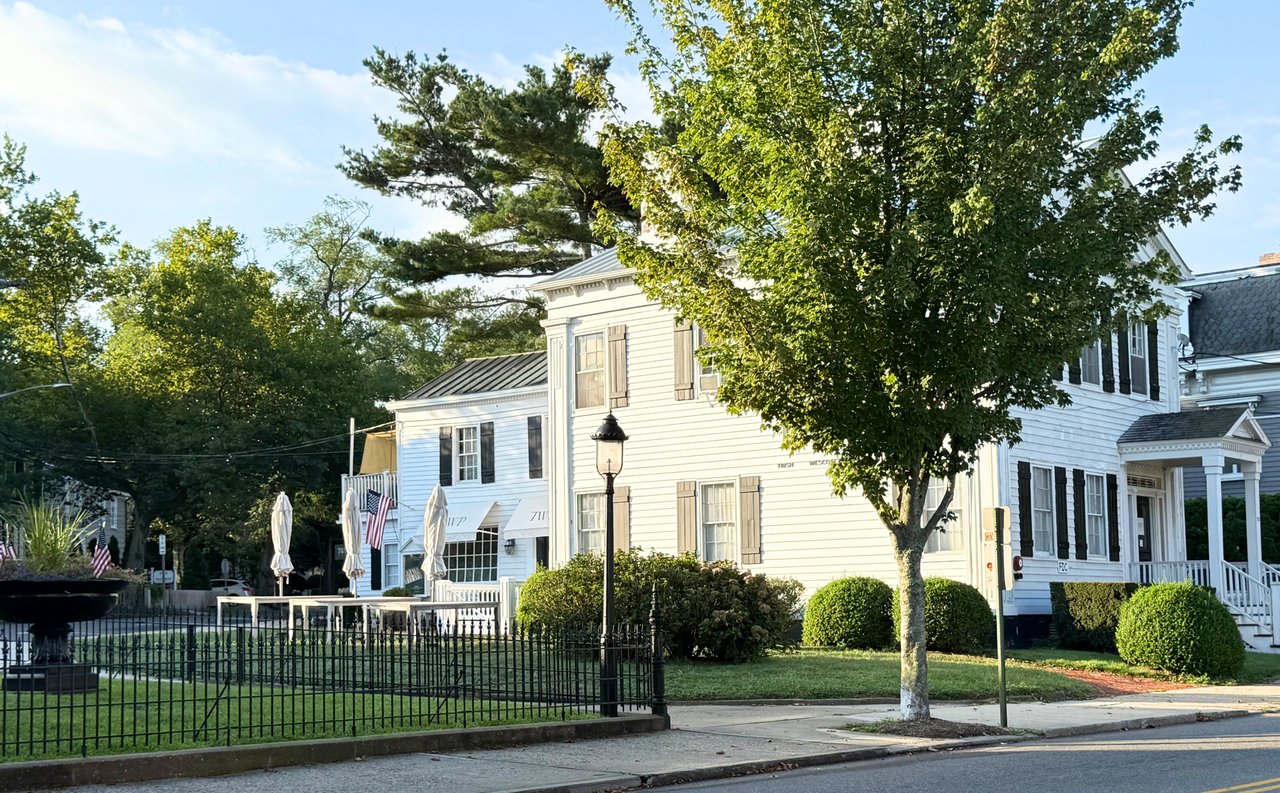
The Chequit closed last fall. Not for a renovation delay or a staffing gap, but because that's what it did every year: run through summer as a casual harbor-view pub, complete with a sushi bar upstairs and a pool table downstairs, then go quiet for the winter like most of its neighbors.
This year it came back different. The Soloviev Group, which now owns the 154-year-old hotel, reopened it in May with a full redo: white walls, tablecloths where the pool table used to sit, and a coastal Italian menu that runs from a Big Italian Burger to a 10-ounce Wagyu steak. The upstairs sushi bar and pub atmosphere are gone. In their place is a restaurant with a bar open daily from 4 to 10 p.m. and dinner reservations booked in a window from 5:30 to 8:30, the kind of operation built around a table you plan for rather than a stool you wander into.
That's not a small shift. The old Chequit was designed to catch whoever happened to be walking up from the North Ferry. The new one is designed to be a destination people book ahead of time, whether they live three miles away or arrived that afternoon. Whether this version keeps its doors open through the winter the way the old one didn't remains to be seen. But the redesign itself tells you something the calendar can't: what determines whether a place survives the shoulder season isn't really about locals versus visitors. It's about whether the business model depends on a crowd that's about to leave.
What Actually Goes Dark
The Shelter Island Reporter's own fall dining rundown has, in past seasons, carried a short and specific list under the heading "closed until spring": Flying Goat, Salt, and Sunset Beach. These are the places with the widest views and the loudest bar scenes in July, and they're also the ones with the least reason to stay open once the boats that bring in half their business stop showing up on weeknights.
That's a real cost for anyone trying to plan a Tuesday dinner out in October. It's also not evidence that the island itself goes quiet. It's evidence that a specific kind of business, one built to capture peak-season volume rather than year-round routine, has a shelf life that ends around Labor Day.
What Never Blinks
The Islander runs breakfast and lunch seven days a week, year round, according to its own posted hours. Evening service flexes with the season, but the counter never closes. That's not a marketing choice. It's the difference between a restaurant built to catch a wave of summer traffic and one built to be there every single morning for whoever's actually up early on a Tuesday in November.
The split isn't complicated once you see it laid out: businesses tied to the size of the visitor crowd contract when that crowd leaves. Businesses tied to the rhythm of people who actually live here don't.
That same split runs straight through the island's outdoor institutions, except there it works in the opposite direction. The places tied to land and tide don't contract in September. Several of them are just hitting their best month.
The Land Runs On Its Own Calendar
Sylvester Manor keeps its trails and grounds open seasonally from March through October, sunrise to sunset, according to the nonprofit's own visitor information. The farmstand at 21 Manwaring Road stays open even longer, through November. And this year's outdoor sculpture exhibition, [R]evolution, curated by Tom Cugliani and built around the 250th anniversary of the Declaration of Independence alongside Darwin's Origin of Species and Paine's Common Sense, runs free through October 4.
None of that calendar is keyed to when the ferry lines get shorter. It's keyed to harvest, to daylight, to when a 236-acre working farm actually has something growing. The manor's own farm history goes back to 1651, when farming was the original reason Europeans settled the island at all, and the operation still runs on that same agricultural logic today: the season ends when the ground says so, not when the last weekend guest checks out.
Fall Is Mashomack's Best Month, Not Its Quiet One
The Nature Conservancy, which manages the more than 2,300-acre Mashomack Preserve, doesn't describe September and October as an off-season. Its own materials call fall the excellent hiking window: returning migratory birds, cooler air, and color moving through the oak canopy along the preserve's 11-plus miles of color-coded trails, including the 7.5-mile Red Trail loop that's the signature route.
The preserve does shift its clock slightly as the calendar turns: March through September it's open 9 to 5 daily, closed Tuesdays except in July and August, then October through February it moves to 9 to 4, still closed Tuesdays. That's a narrower window, not a closed one. And the birding calendar doesn't care about visitor traffic at all. Fall migration is fall migration whether the trail sees five hikers that day or fifty.
The Harbor Doesn't Stop Racing Either
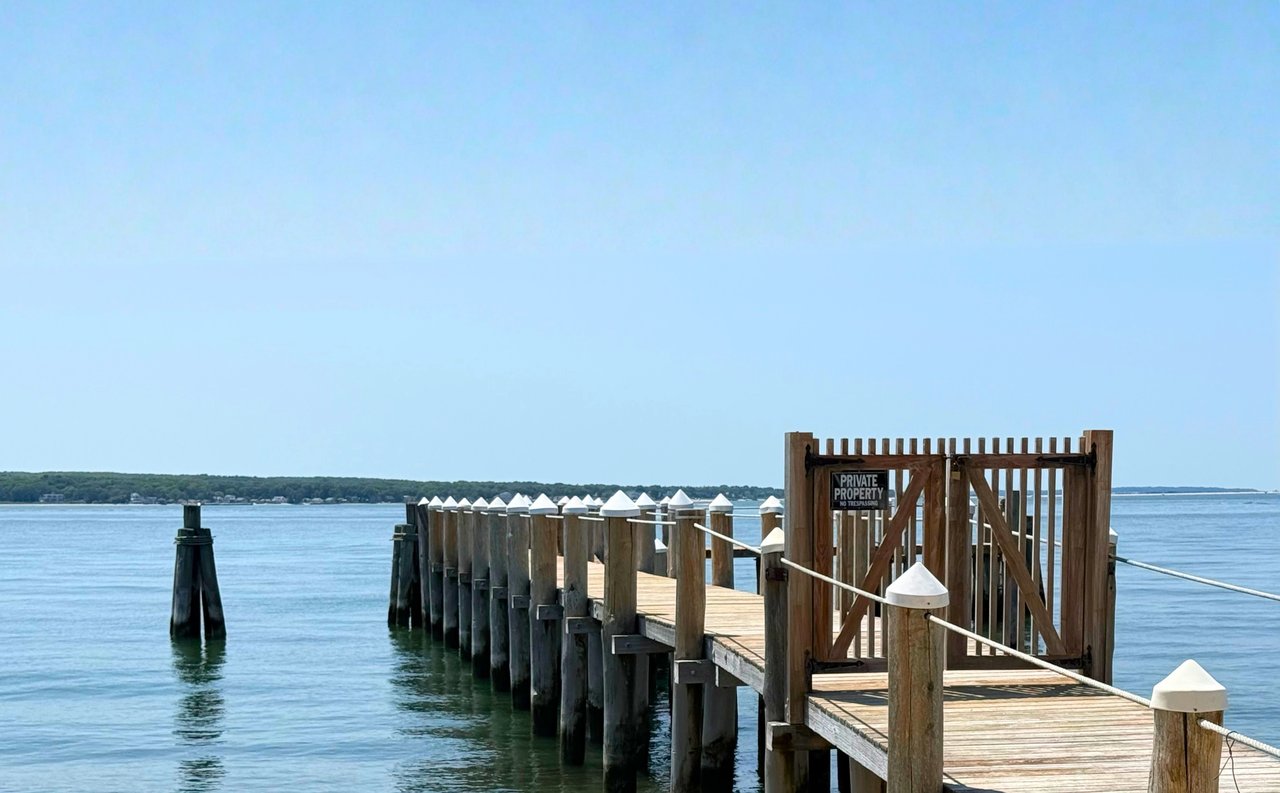
Sunfish racing on Shelter Island doesn't wind down with the tourist season, it ramps toward one of its biggest weekends. The Menantic Yacht Club has hosted the New York Downstate Regional Championship Sunfish races in September in past seasons, drawing over thirty registered sailors competing for a spot at the Sunfish World Championship. That's not a crowd chasing a summer sunset. It's a competitive fleet that treats September as prime racing weather in West Neck Harbor, wind conditions and all.
What This Actually Tells You
The instinct to read "quieter ferry lines" as "the island shuts down" misses what's actually happening. Shelter Island isn't emptying out. It's separating into two different operating systems that happen to share the same zip code.
One system is built around the visitor calendar: restaurants and bars that scale to summer volume and go dark once that volume disappears, or reinvent themselves entirely the way the Chequit just did. The other is built around land, tide, and migration: a working farm with an outdoor exhibition running into October, a nature preserve calling fall its best hiking stretch, a yacht club racing its biggest fleet of the year in September.
If you already live here, this is the month the second system gets to run without competing for parking with the first. That's not a consolation prize for missing summer. It's the actual reason people who know this island well tend to prefer September to July.
If you're weighing whether a place like this could become home rather than just a place you visit, that split is worth understanding before you look at a single listing. Jennifer Friedberg has spent more than three decades on the East End watching which parts of a town run on tourist time and which run on their own. Schedule a private consultation to talk through what that means for the property you're actually considering.